
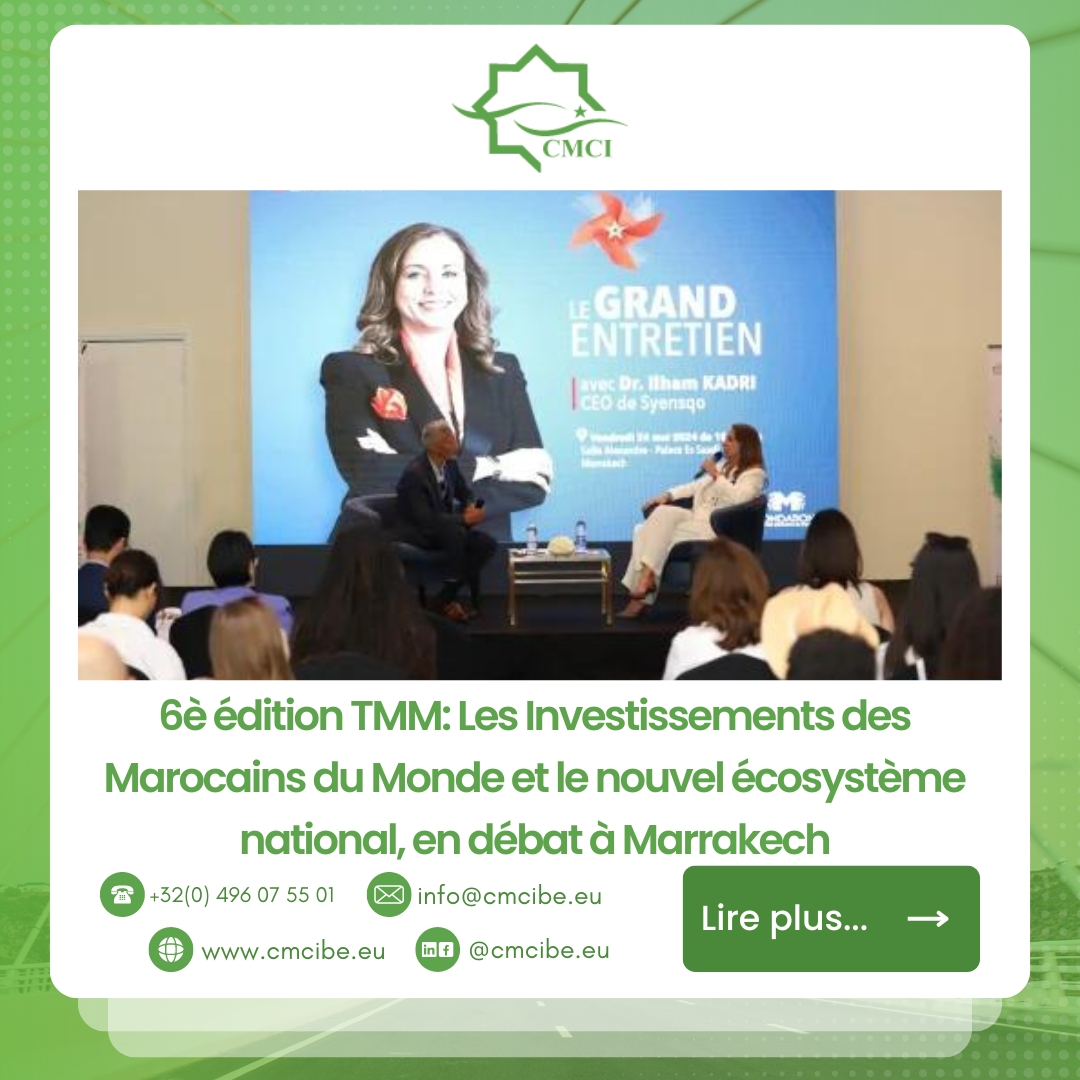
Marrakech is widely recognized as the cultural heartbeat of Morocco, but this week, the city has shifted its focus toward a different kind of vitality: the strategic economic reintegration of the Moroccan diaspora. The city is currently hosting a significant gathering of “Moroccans of the World” (MDM), signaling a transition in how the Kingdom views its citizens living abroad—moving beyond the traditional model of remittances toward a sophisticated framework of sustainable investment and innovation.
The centerpiece of this movement is the 2nd Economic Forum of Moroccans of the World, an event specifically designed to bridge the gap between the skills and capital held by the diaspora and the domestic needs of the Moroccan economy. By focusing on “investment and innovation,” the forum seeks to leverage the professional networks and entrepreneurial expertise of Moroccans residing in Europe, North America, and across Africa to accelerate the nation’s industrial and digital transformation.
For global markets and economic observers, this shift is critical. While remittances have long provided a vital cushion for the Moroccan economy, the current push toward direct foreign investment from its own diaspora represents a “brain gain” strategy. This approach encourages the transfer of high-value knowledge, managerial experience, and technological patents back into the local ecosystem, creating a multiplier effect that transcends simple cash transfers.
The event also features the “Trophées des entrepreneurs marocains du monde,” a high-profile awards ceremony held on May 9 in Marrakech. These awards serve as more than just a celebratory gesture. they are a strategic tool to visibility, highlighting successful business models created by the diaspora that can be scaled or replicated within Morocco. By honoring these entrepreneurs, the Kingdom is effectively creating a roadmap for other MDMs to follow, demonstrating that the domestic business environment is both welcoming and viable for high-growth ventures.
From Remittances to Strategic Capital: The New Diaspora Paradigm
For decades, the economic relationship between Morocco and its diaspora—often referred to as MREs (Marocains Résidant à l’Étranger)—was defined by seasonal inflows of capital used primarily for family support and residential real estate. However, the 2nd Economic Forum underscores a deliberate policy shift. The goal is now to channel these funds into productive sectors such as green energy, AgTech, and digital services.
This evolution is essential for Morocco’s long-term economic resilience. By encouraging the diaspora to invest in startups and SMEs, the government is fostering a more diversified economy. The “innovation” theme of the Marrakech forum highlights a specific desire to attract “intellectual capital.” When a Moroccan engineer in Silicon Valley or a financier in London invests in a local venture, they bring with them global standards of governance, access to international markets, and a level of technical expertise that is indispensable for modernization.
The strategic importance of this capital is reflected in the broader national economic goals. Morocco has been positioning itself as a gateway to Africa, and the diaspora serves as the perfect intermediary. These individuals possess the dual cultural and professional fluency required to navigate both European/North American markets and the complexities of the African business landscape. This makes them uniquely qualified to lead ventures that facilitate cross-continental trade and investment.
Financial Architecture: The Role of Bank of Africa
Investment appetite alone is insufficient without the necessary financial plumbing to support it. A critical component of the current diaspora strategy is the strengthening of banking infrastructure specifically tailored for MREs. Bank of Africa has emerged as a pivotal player intensifying its efforts to provide specialized financing and incubation services for Moroccan investors abroad.

The challenge for many diaspora investors is the “trust and distance” gap—the difficulty of managing a business or securing fair financing from thousands of miles away. To address this, Bank of Africa has expanded its accompaniment programs, offering more than just loans. The bank is integrating incubation services that help MDMs refine their business plans, navigate local regulatory requirements, and connect with domestic partners.

By “muscling” its support for MDM investors, the institution is reducing the perceived risk of returning capital to the Kingdom. This includes streamlined digital onboarding, specialized credit lines for diaspora-led startups, and advisory services that help investors identify high-yield opportunities in alignment with the New Development Model for Morocco. This institutional backing is a signal to the global Moroccan community that the infrastructure for professional investment is now in place, moving beyond the informal networks that previously dominated diaspora business.
Why Marrakech? The Symbolic and Economic Choice
The choice of Marrakech as the venue for the 2nd Economic Forum is both symbolic and practical. As a global tourism hub and a city with a deep historical connection to trade, Marrakech embodies the openness and cosmopolitanism that the Moroccan government wishes to project to its diaspora. The city’s growth as a center for luxury hospitality and sustainable architecture provides a tangible example of how local assets can be scaled to meet international standards.
the city’s proximity to the Atlas Mountains and its role as a regional administrative capital make it an ideal testing ground for innovation in sustainable tourism and agribusiness. For the entrepreneurs being honored at the “Trophées,” Marrakech represents a space where tradition meets modernity—a reflection of the dual identity held by the Moroccan diaspora.
The presence of high-level officials and business leaders in Marrakech this week indicates that the government views the diaspora not as a separate entity, but as an integral part of the national economic fabric. The forum provides a neutral, high-energy environment where the “diaspora elite” can interact directly with policymakers to voice concerns and suggest improvements to the investment climate.
Key Takeaways for Diaspora Investors
- Shift to Productive Investment: There is a clear national preference for investments in innovation, technology, and sustainable industry over traditional real estate.
- Institutional Support: Financial institutions like Bank of Africa are moving toward a “full-lifecycle” support model, combining financing with business incubation.
- Networking as an Asset: The 2nd Economic Forum emphasizes the value of “intellectual capital” and professional networks as much as financial capital.
- Recognition of Success: The “Trophées” ceremony highlights the viability of diaspora-led ventures, serving as a proof-of-concept for others.
Analyzing the Broader Economic Impact
From a macroeconomic perspective, the successful mobilization of the Moroccan diaspora can significantly impact the national balance of payments. According to data from The World Bank, remittances to middle-income countries often act as a stabilizer during economic volatility. However, when these flows are converted into Foreign Direct Investment (FDI), they contribute to long-term GDP growth by creating jobs and increasing industrial capacity.

The “innovation” angle is particularly potent. Morocco is currently investing heavily in hydrogen energy and automotive manufacturing. The diaspora possesses the technical expertise in these specific fields—developed in the industrial hubs of Germany, France, and the U.S.—that can accelerate the local learning curve. This “knowledge transfer” is the invisible but most valuable currency being traded at the Marrakech forum.
the psychological impact of these events cannot be overstated. For many second- or third-generation Moroccans, the connection to the homeland may be emotional but not necessarily professional. By framing the relationship through the lens of “entrepreneurship” and “innovation,” the Kingdom is engaging a younger, more tech-savvy demographic that is driven by impact and scalability rather than just nostalgia.
What Happens Next?
The conclusion of the 2nd Economic Forum in Marrakech is not the end of the process, but rather the beginning of a new implementation phase. The primary goal moving forward will be to translate the discussions and awards into concrete projects. Investors and policymakers will now look toward the formalization of the partnerships sparked during the forum.
The next critical checkpoint will be the quarterly review of new diaspora-led business registrations and the tracking of capital inflows into the specific “innovation” sectors highlighted this week. The continued expansion of the Bank of Africa’s incubation programs will serve as a barometer for how many of these forum-inspired ideas actually reach the market.
As Morocco continues to refine its investment laws and digital infrastructure, the synergy between the state, the financial sector, and the diaspora will be the defining factor in the Kingdom’s ability to transition into a high-income economy. The events in Marrakech this week have set a high bar for this collaboration, transforming the diaspora from a source of support into a driver of growth.
Do you think the shift from remittances to strategic investment is the right move for emerging economies? We invite you to share your thoughts in the comments below or share this analysis with your professional network.