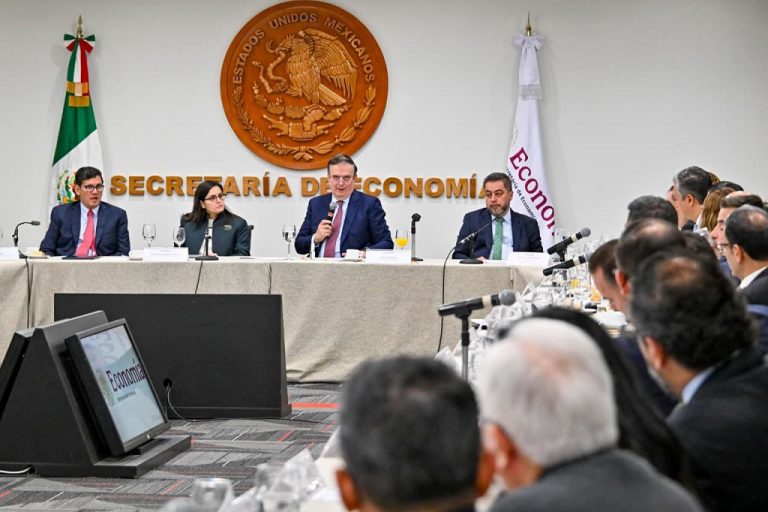
The resilience of a nation’s healthcare system is often measured not by the quality of its hospitals, but by the security of its supply chains. For Mexico, this realization has moved from a theoretical concern to a primary pillar of national economic policy. Marcelo Ebrard, Mexico’s Secretary of Economy, has recently highlighted a critical vulnerability in the country’s current infrastructure: a profound dependency on foreign markets for essential pharmaceutical products and electronic components.
Speaking on the strategic necessity of diversifying trade and fostering domestic production, Secretary Ebrard emphasized that relying heavily on a limited number of global suppliers—particularly in Asia—creates systemic risks. From a public health perspective, this dependency is more than an economic inefficiency; It’s a matter of national security. When the supply of life-saving medications or the hardware required for medical diagnostics is subject to geopolitical volatility or logistical failures, the result is a direct threat to patient care.
This strategic pivot is being coordinated through various economic forums and bilateral councils, where the Mexican government is seeking to leverage the United States-Mexico-Canada Agreement (USMCA) to create a more self-sufficient North American bloc. By prioritizing “nearshoring”—the practice of relocating production closer to the final market—Mexico aims to transform its role from a mere assembly hub into a center for high-value pharmaceutical and technological innovation.
As a physician and journalist, I view these developments as a necessary evolution. The lessons of the last few years have shown that “just-in-time” delivery models are fragile. The shift toward “just-in-case” redundancy, led by the Ministry of Economy, suggests a more mature approach to safeguarding the health of the Mexican population by ensuring that the tools of modern medicine remain accessible regardless of global instability.
Addressing the Pharmaceutical Dependency Gap
The vulnerability of pharmaceutical supply chains is a global phenomenon, but for Mexico, the stakes are particularly high. A significant portion of the active pharmaceutical ingredients (APIs) used in Mexican medications are sourced from overseas, primarily from China and India. This creates a bottleneck where any disruption in those regions can lead to immediate shortages of essential drugs in Mexican pharmacies and hospitals.
Secretary Ebrard has advocated for a strategic increase in domestic pharmaceutical manufacturing. This involves not only the final formulation of drugs but the upstream production of the raw chemical components. By reducing this dependency, Mexico can better control the pricing, quality, and availability of medicines, effectively insulating its public health system from external price shocks and supply chain collapses.
The goal is to move toward a model of regional pharmaceutical sovereignty. By collaborating with partners in the US and Canada, Mexico can create a redundant network of production. This means that if one region faces a crisis, others can scale up production to fill the gap, ensuring that the flow of critical medications remains uninterrupted. This approach aligns with broader global trends where nations are treating medicine as a strategic asset rather than a mere commodity.
The Intersection of Electronics and Healthcare
While the focus on pharmaceuticals is intuitive for health security, Secretary Ebrard’s emphasis on electronic dependency is equally vital. Modern healthcare is inextricably linked to electronics; from the semiconductors in an MRI machine to the sensors in a glucose monitor, the medical field is now a tech field. Mexico’s high level of dependency on imported electronic components represents a hidden vulnerability in its healthcare infrastructure.

The global semiconductor shortage of recent years served as a stark warning. When electronic components became scarce, the production of medical devices slowed, and the cost of upgrading hospital equipment skyrocketed. By integrating the electronics sector into its nearshoring strategy, the Mexican government aims to attract investment in semiconductor packaging and circuitry design within its own borders.
This transition requires a concerted effort to upgrade the workforce and provide incentives for tech firms to establish roots in Mexico. The vision is to create a symbiotic relationship where the electronics industry supports the medical device industry, reducing the lead time for critical equipment and lowering costs for the end-user—the patient.
Leveraging the USMCA for Strategic Autonomy
The primary vehicle for achieving these goals is the United States-Mexico-Canada Agreement (USMCA). Secretary Ebrard has been vocal about the need for total certainty within this framework to encourage long-term investment. For companies to move their production lines from Asia to Mexico, they require a stable legal and economic environment that guarantees their investments are protected.
The USMCA provides the regulatory architecture to facilitate this shift. By streamlining customs and harmonizing standards for pharmaceutical and electronic goods, the three North American nations can create a seamless “industrial corridor.” This not only boosts economic growth but enhances the collective security of the region. When the three largest economies in North America collaborate to secure their supply chains, they reduce their collective vulnerability to external pressures.
the focus on “rules of origin” within the USMCA encourages companies to source a higher percentage of their materials from within the region. This naturally pushes firms to look for Mexican suppliers of chemicals and electronic parts, creating a ripple effect that stimulates small and medium-sized enterprises (SMEs) across the country.
What This Means for the Future of Public Health
For the average citizen, the success of these policies will be measured in the availability of medicine and the modernity of healthcare facilities. A reduction in dependency means fewer “out of stock” notices at the pharmacy and shorter wait times for diagnostic imaging. It also opens the door for Mexico to develop its own proprietary medical technologies, tailored to the specific health needs of its population.
From a policy standpoint, this shift represents a move toward “strategic autonomy.” It is not about isolationism, but about diversifying risk. By maintaining global trade links while building robust domestic and regional capabilities, Mexico is positioning itself to be more resilient in the face of future pandemics or geopolitical conflicts.
The role of the Secretary of Economy in this process is pivotal. By framing the issue as one of both economic growth and national security, Ebrard is bridging the gap between trade policy and public health. The integration of the pharmaceutical and electronics sectors into a broader nearshoring strategy is a sophisticated response to the complexities of the 21st-century global economy.
Key Strategic Objectives
- Diversification of APIs: Reducing the reliance on a single geographic region for the raw materials used in medication.
- Semiconductor Integration: Building a domestic capacity for electronic components to support medical device manufacturing.
- USMCA Optimization: Utilizing trade agreements to attract high-tech investment and ensure legal certainty for manufacturers.
- Nearshoring Transition: Moving production closer to the North American market to reduce logistics risks and costs.
Next Steps and Outlook
The immediate focus for the Mexican government will be the implementation of specific incentives for companies that invest in the pharmaceutical and electronics sectors. You can expect further discussions within the USMCA committees to refine the rules of origin and trade facilitations that make nearshoring viable.
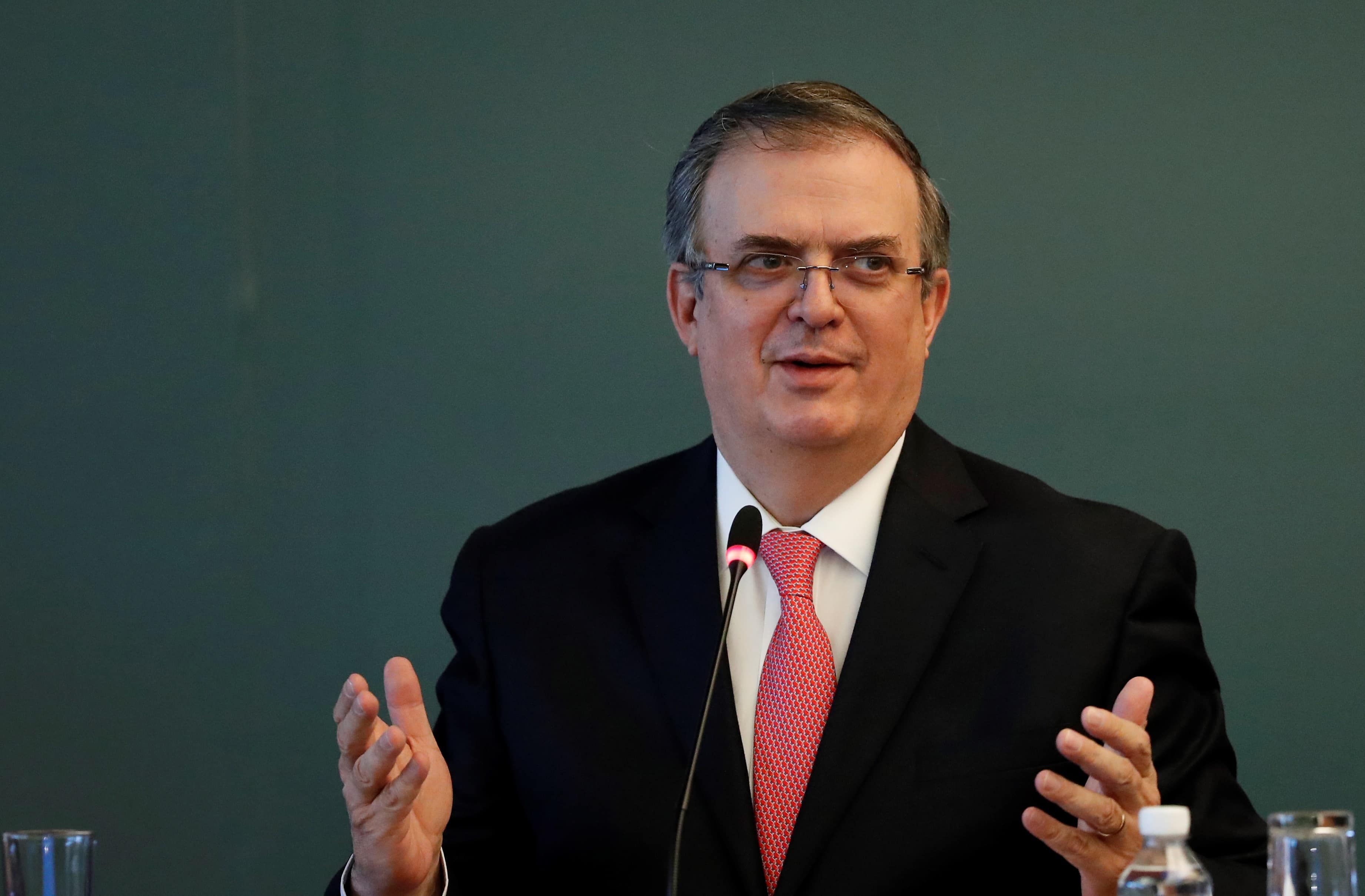
The next critical checkpoint will be the upcoming periodic reviews of the USMCA, where Mexico, the U.S., and Canada will assess the agreement’s effectiveness and address any remaining frictions. These reviews will be essential for ensuring that the “certainty” Secretary Ebrard seeks is codified and maintained.
As we watch these economic shifts unfold, the health of a nation is now inextricably linked to the strength of its trade policies. By securing the supply of electronics and pharmaceuticals, Mexico is not just growing its economy—it is protecting its people.
Do you believe regional trade blocs are the best way to ensure health security, or should nations strive for total domestic self-sufficiency? Share your thoughts in the comments below.
Worth a look