
It begins with a notification and a waveform. For many, the sight of a five-minute voice note arriving in a WhatsApp or iMessage thread no longer signals a personal touch, but rather a looming chore. The sender views it as a convenience—a way to bypass the tedium of typing—while the receiver views it as a time-commitment they didn’t sign up for.
This tension highlights a growing rift in voice note communication, where the boundaries between synchronous conversation and asynchronous messaging have blurred. What started as a novelty for sharing quick audio snippets has evolved into a dominant medium for some, turning what used to be a fluid, back-and-forth dialogue into a series of digital soliloquies.
As a journalist who has spent nearly two decades analyzing how economic and technological shifts alter human behavior, I have watched the “death of the phone call” happen in real-time. However, we haven’t actually stopped wanting to hear each other’s voices; we have simply shifted the power dynamic of the conversation. The voice note allows the speaker to control the timing, the length, and the delivery of the message, often at the expense of the listener’s schedule and mental bandwidth.
The shift toward asynchronous audio is not merely a change in habit but a reflection of a broader trend in digital communication: the prioritization of the sender’s ease over the receiver’s accessibility. When we move from a live call to a voice note, we remove the necessity of mutual availability, but we also remove the essential rhythms of human interaction—the pauses, the interruptions, and the immediate feedback that define a true conversation.
The Evolution of the Audio Message
The rise of the voice note can be traced back to the early 2010s. WhatsApp, one of the primary drivers of this trend, introduced voice messaging in 2013, providing a middle ground between the formality of a phone call and the sterility of a text message. For a time, these tools served a specific purpose: capturing emotion, urgency, or complex stories that were too cumbersome to type.
However, the utility of the audio message has expanded into a primary mode of communication for younger generations. This transition is partly driven by a documented increase in “phone anxiety,” where the immediacy of a live call feels intrusive or overwhelming. By recording a message, the sender can edit their thoughts (by re-recording) and avoid the pressure of an instant response, while still conveying the warmth and nuance of their voice.
Yet, this convenience creates a “communication tax” for the recipient. Unlike text, which can be skimmed in seconds to extract key information, a voice note requires a linear time investment. A three-minute audio clip takes exactly three minutes to consume, regardless of whether the content is vital or rambling. This asymmetry is where the frustration lies; the sender saves time by speaking instead of typing, but the receiver loses time by listening instead of reading.
The Psychological Shift: Dialogue vs. Monologue
From a sociological perspective, the proliferation of long-form voice notes suggests a shift toward a more monologue-centric form of interaction. In a traditional conversation, participants engage in a “co-construction” of meaning—each person adjusts their tone and content based on the other’s immediate reactions. Voice notes strip away this collaborative element.

When a user sends a lengthy, uninterrupted audio file, they are essentially delivering a presentation. The recipient is cast as an audience member rather than a partner in conversation. This can lead to a perceived increase in narcissism within digital spaces, as the medium encourages the speaker to ramble without the natural social cues (such as a listener’s glazed expression or a polite interruption) that usually signal when a point has been made.
the “burden of response” is amplified. When receiving a long voice note, there is often an unspoken social pressure to respond in kind. This creates a cycle of “audio inflation,” where messages grow longer and more detailed, further distancing the interaction from the efficiency of a text or the intimacy of a call.
The Technological Counter-Response: AI and Transcription
The industry is already responding to “voice note fatigue” through the integration of artificial intelligence. The friction caused by asynchronous audio has created a massive market for voice-to-text technology. Many modern messaging platforms and third-party apps now offer automatic transcription, allowing users to read a voice note rather than listen to it.
The development of Large Language Models (LLMs) and advanced speech-to-text engines, such as OpenAI’s Whisper, has significantly improved the accuracy of these transcriptions. By converting audio into searchable, skimmable text, technology is attempting to solve a problem that technology itself created. Users can now identify the “meat” of a message without having to commit to a five-minute playback, effectively returning the power of time management to the receiver.
Despite these tools, the emotional gap remains. A transcript can convey the words, but it cannot capture the sarcasm, the hesitation, or the genuine warmth of a human voice. This creates a secondary tension: the choice between efficiency (reading the transcript) and empathy (listening to the audio).
Establishing a New Digital Etiquette
As we navigate this transition, a new set of unwritten rules for audio communication is emerging. To avoid the “voice note epidemic” and maintain healthy social dynamics, several best practices are becoming the gold standard for digital etiquette:
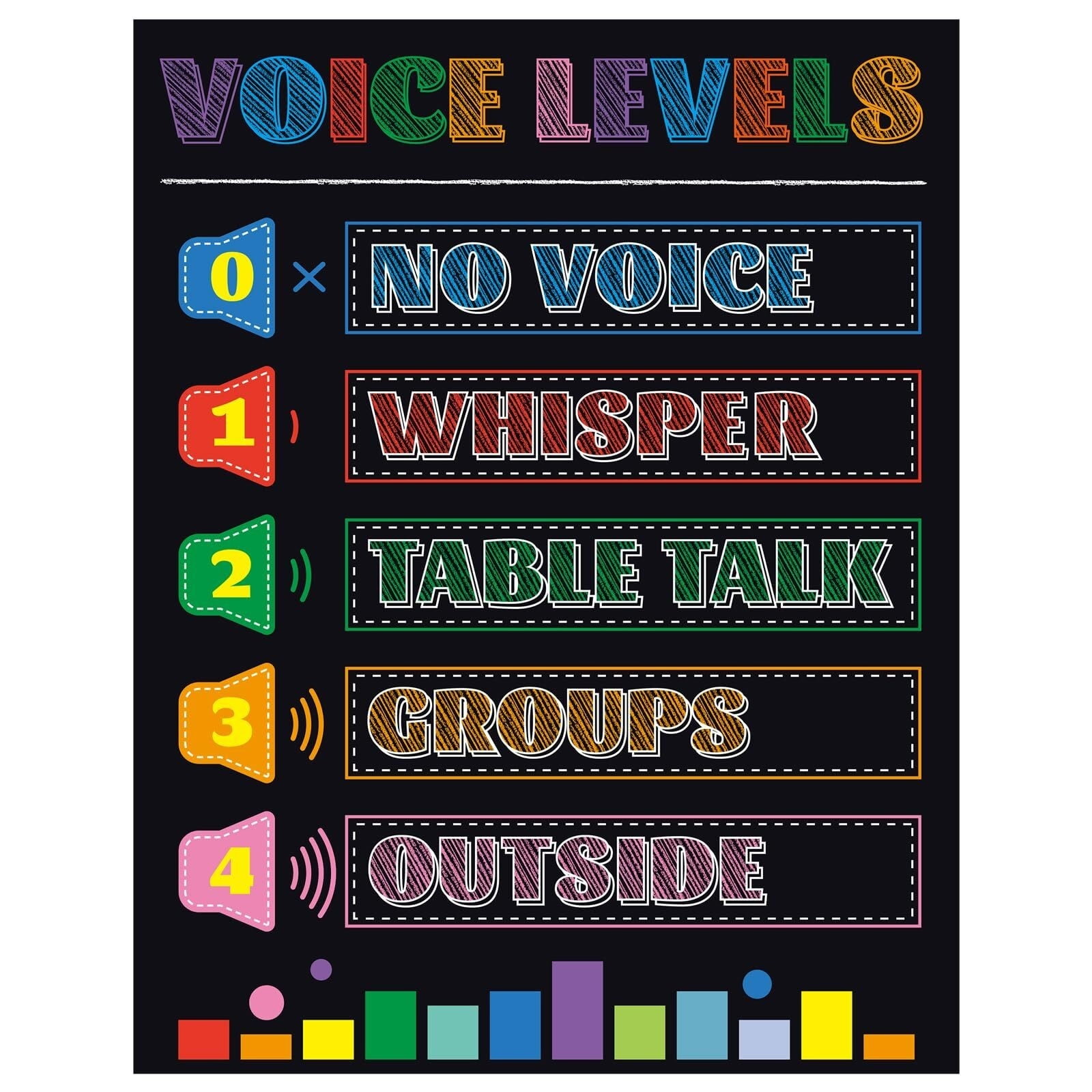
- The Two-Minute Rule: If a thought takes more than two minutes to explain, it is generally considered a phone call or an email, not a voice note.
- The “Permission” Text: Sending a brief text such as, “I have a long story, do you mind if I send a voice note?” respects the receiver’s current environment and mental state.
- The Executive Summary: For longer audio clips, providing a one-sentence text summary (e.g., “Voice note about the weekend plans—no rush to reply”) allows the receiver to prioritize the message.
- Contextual Awareness: Recognizing that the receiver may be in a professional setting or a public space where listening to audio is impossible.
By adhering to these guidelines, users can preserve the emotional benefits of audio communication without imposing an undue burden on their social circle. The goal is to return to a state of mutual respect, where the medium chosen serves both the sender and the receiver.
The Broader Economic and Social Impact
Beyond personal relationships, the shift toward asynchronous audio is infiltrating the professional world. The rise of “voice-first” productivity tools and the prevalence of audio memos in remote work environments reflect a desire for a more “human” connection in a digital-first economy. However, the same pitfalls apply: the risk of inefficient communication and the potential for “information overload.”
In a globalized workforce, where time zones often make synchronous calls impossible, voice notes offer a compromise. But for this to be sustainable, businesses must implement clear boundaries. The expectation of an “instant” response to an asynchronous message is a primary driver of digital burnout. When a voice note is sent, it should be treated as a low-priority communication unless marked otherwise, allowing the recipient to engage with it on their own terms.
the voice note is a tool, and like any tool, its value is determined by how it is used. When used sparingly, it is a bridge to intimacy. When used as a default, it becomes a wall of noise.
Key Takeaways: The Voice Note Era
- Asymmetry of Effort: Voice notes prioritize the sender’s convenience (speaking vs. Typing) over the receiver’s time (listening vs. Skimming).
- Loss of Dialogue: Long-form audio messages risk turning conversations into monologues, reducing the collaborative nature of human interaction.
- AI as a Solution: Voice-to-text transcription is becoming the primary tool for combating “voice note fatigue.”
- Etiquette Shift: New social norms are emerging, emphasizing “permission-based” audio messaging and strict time limits.
As we move further into an era of AI-driven communication, the value of a truly synchronous, undivided conversation will likely increase. The challenge for our generation is to ensure that in our quest for convenience, we do not sacrifice the incredibly things that make conversation meaningful: presence, reciprocity, and respect for another person’s time.
The next major shift in this space will likely be the integration of real-time, AI-summarized audio streams, which may further distance us from the raw experience of listening. Until then, the most respectful thing we can do is occasionally put down the record button and simply ask, “Do you have a moment to talk?”
Do you find voice notes convenient or intrusive? Share your thoughts on the evolving rules of digital etiquette in the comments below.
Keep reading