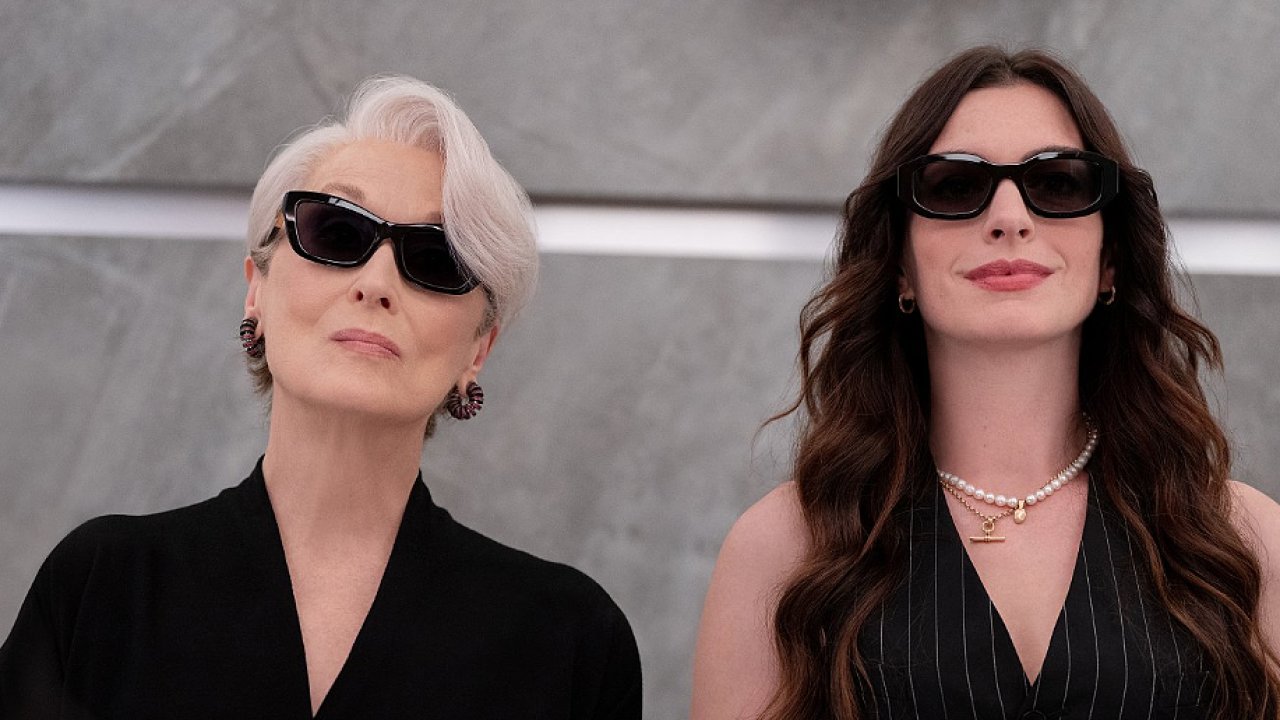
The high-fashion world has returned to the silver screen with a vengeance. The Devil Wears Prada 2 has officially made its mark on the global cinema landscape, defying initial industry expectations and proving that the appetite for the cutthroat atmosphere of Runway magazine remains as strong as ever.
In a weekend that signaled a strong resurgence for star-studded sequels, the film captured the attention of audiences worldwide, blending the nostalgia of the original 2006 hit with the updated pressures of the modern fashion industry. For those of us who follow the competitive nature of global entertainment—much like the high-stakes environment of professional sports—the numbers coming out of this opening weekend are nothing short of a blockbuster performance.
The sequel, produced by Disney’s 20th Century Studios, has not only reclaimed its place in the cultural conversation but has also set a high financial bar for the remainder of the year. By leveraging a massive theatrical rollout and a legacy brand, the film has managed to tower over the domestic performance of its predecessor.
A Dominant Global Debut
The opening weekend figures reveal a massive scale of interest. The Devil Wears Prada 2 earned $77 million from 4,150 North American theaters during its domestic debut. This figure represents a significant leap from the original film, which launched to $27.5 million domestically in 2006, according to reports from Variety.
The momentum extended far beyond North American shores. The film racked up an additional $156.6 million at the international box office, bringing its total global ticket sales to $233.6 million for the opening weekend. This performance secures the film the second-biggest worldwide debut of 2026, trailing only The Super Mario Galaxy Movie, which opened to $372.5 million.
The success of the film is particularly notable when compared to other major 2026 releases. While it outperformed the worldwide debut of the film Michael ($217 million), it faced stiff competition for the top spot domestically, battling with Mortal Kombat II for the No. 1 position.
The Cost of Couture: Production and Investment
Scaling a production to meet modern cinematic expectations requires significant capital. Disney’s 20th Century Studios invested heavily in the sequel, with a production budget of roughly $100 million, a figure that does not include the extensive worldwide marketing campaign. This is a substantial increase from the first film’s price tag of approximately $40 million, as noted by Variety.
This increased investment reflects the evolving nature of the fashion industry and the visual demands of today’s audiences. To bring the world of Runway back to life in 2026, the production had to account for a digital-first media landscape and the heightened glamour expected of a modern high-fashion epic.
Box Office & Budget Comparison: Original vs. Sequel
| Metric | Original (2006) | Sequel (2026) |
|---|---|---|
| Domestic Opening | $27.5 Million | $77 Million |
| Worldwide Debut | N/A | $233.6 Million |
| Production Budget | ~$40 Million | ~$100 Million |
Analyzing the 2026 Cinema Landscape
The performance of The Devil Wears Prada 2 provides a glimpse into the current state of movie-going habits. The film ranks as the fourth-best start of the year domestically, placing it behind The Super Mario Galaxy Movie ($131 million), Project Hail Mary ($80 million) and Michael ($97.5 million).

This trend suggests that audiences are gravitating toward “event” cinema—films with established IP, star power, and high production values. The ability of a fashion-centric comedy to compete with major franchise sequels and biopics indicates a broad, cross-demographic appeal that transcends simple genre boundaries.
For the industry, the lesson is clear: there is still a massive market for sophisticated, character-driven narratives when paired with the spectacle of a global release. The return of Miranda Priestly and the high-pressure environment of Runway has proven to be a potent draw for both nostalgic fans and a new generation of viewers.
As the film continues its theatrical run, the focus will shift to its “legs”—the ability to maintain ticket sales in subsequent weeks. Given the strong international start and the significant domestic jump over the original, the film is well-positioned to become one of the definitive hits of the year.
The next confirmed checkpoint for the film will be the reporting of its second-weekend hold and updated global totals, which will determine if it can close the gap with the year’s top-performing debuts.
Do you think the sequel lived up to the legacy of the original, or was the first film untouchable? Share your thoughts in the comments below and let us know if you’ve seen it in theaters.
Keep reading