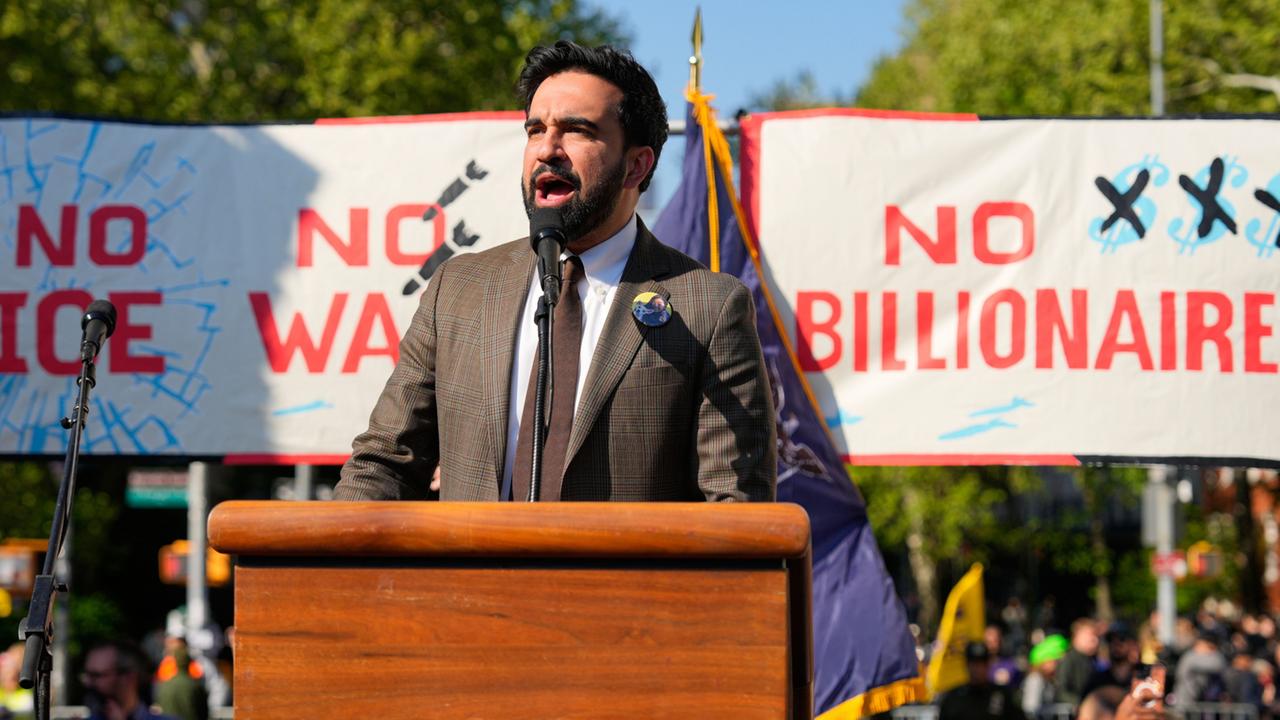
New York City is facing a deepening divide between its municipal leadership and its wealthiest residents as Mayor Zohran Mamdani pushes forward with aggressive new luxury tax plans. The conflict reached a boiling point this week following a viral social media campaign targeting the city’s most expensive real estate, sparking a high-profile clash with one of the world’s leading financial figures.
At the center of the controversy is a proposal to introduce a luxury tax specifically targeting second homes. Mayor Mamdani, who was sworn into office on January 1, 2026, has made “taxing the rich” a cornerstone of his administration’s economic agenda. The strategy aims to increase municipal revenue by leveraging the city’s high-end property market, but it has already drawn fierce resistance from the financial sector.
The tension escalated when the Mayor released a viral video filmed in front of a prestigious residential building adjacent to Central Park. In the footage, Mamdani explicitly identified the building as the site of a penthouse owned by U.S. Hedge fund manager Ken Griffin. The property, purchased for an estimated $238 million, stands as the most expensive residential real estate transaction in United States history.
By naming Griffin and pinpointing the location of his residence, the Mayor has transformed a policy debate into a personal and security-focused confrontation. The move has prompted accusations that the city’s leadership is prioritizing political theater over the safety of its citizens, while supporters argue it is a necessary step in highlighting the disparity of wealth in the metropolis.
The Luxury Tax Proposal and the “Tax-the-Rich” Strategy
Mayor Mamdani’s approach represents a significant shift in New York’s fiscal policy. The proposed luxury tax on second homes is designed to target non-primary residences, which often remain vacant for large portions of the year. By implementing this levy, the administration hopes to discourage the use of New York real estate as a mere investment vehicle for global billionaires and instead redirect those funds toward public services.
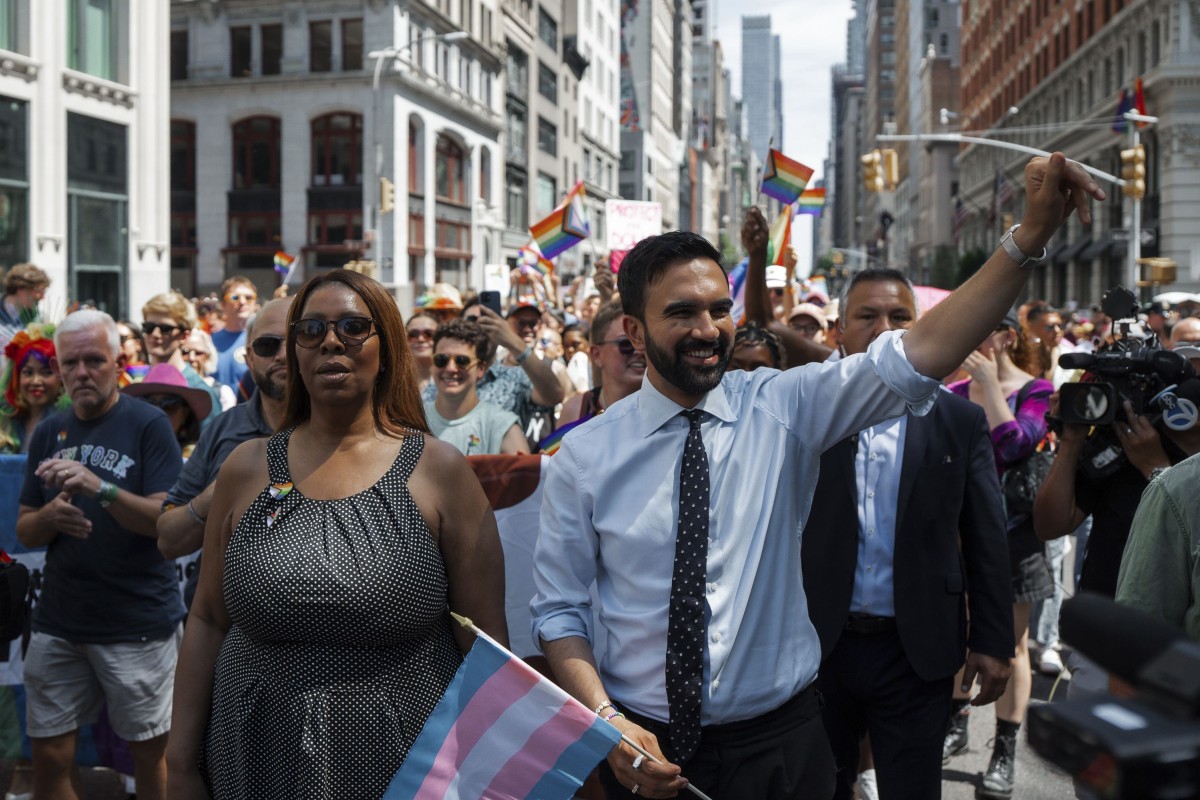
The viral video served as both a policy announcement and a political statement. By standing before Ken Griffin’s penthouse, Mamdani sought to put a literal face to the wealth he intends to tax. The administration’s “Tax-the-rich” platform is built on the premise that the city’s wealthiest inhabitants should bear a greater proportional burden to support the urban infrastructure and social programs that sustain the city’s economy.
Security Risks and the Billionaire’s Backlash
The reaction from Ken Griffin was swift and severe. In an interview with CNBC, the hedge fund manager expressed outrage, not over the tax proposal itself, but over the Mayor’s decision to expose his private residence to a global audience. Griffin argued that the video effectively painted a target on his home, compromising his personal safety.
“What really upset me about the video is that it put me in danger,” Griffin stated during the interview. He reminded the public that the security risks for high-profile executives are tangible, noting that the CEO of another American company had been murdered only a few streets away from his apartment.
Griffin further criticized the Mayor’s conduct, asserting that “putting a citizen—regardless of who they are—in danger is inappropriate for a politician.” This argument suggests a breach of professional ethics, where the pursuit of a political narrative overrides the fundamental responsibility of a government leader to ensure the safety of all residents.
Economic Fallout and the Miami Alternative
Beyond the security concerns, the dispute has sparked warnings of capital flight. Ken Griffin has already expressed his disapproval of the administration’s broader economic direction, labeling the “Tax-the-rich” policies as fundamentally flawed. Griffin has threatened to withdraw investments from New York City.
This threat is not merely rhetorical. Griffin has already begun prioritizing expansion in Miami, a city that has become an increasingly attractive destination for financial firms and high-net-worth individuals due to its more favorable tax environment. The shift reflects a growing trend of “wealth migration,” where the financial elite move their operations and residences to jurisdictions with lower tax burdens and less aggressive regulatory stances.
Economists warn that if a significant number of high-net-worth individuals and their associated firms follow Griffin’s lead, the city could face a paradoxical outcome: a policy designed to increase tax revenue could actually lead to a net loss if the tax base shrinks through emigration and disinvestment.
The Broader Wealth Gap Debate
The clash between Mayor Mamdani and Ken Griffin is a microcosm of a larger global debate regarding wealth inequality and the role of taxation in social engineering. While Griffin views the Mayor’s tactics as dangerous and economically counterproductive, others see them as a necessary challenge to a system that favors the super-wealthy.
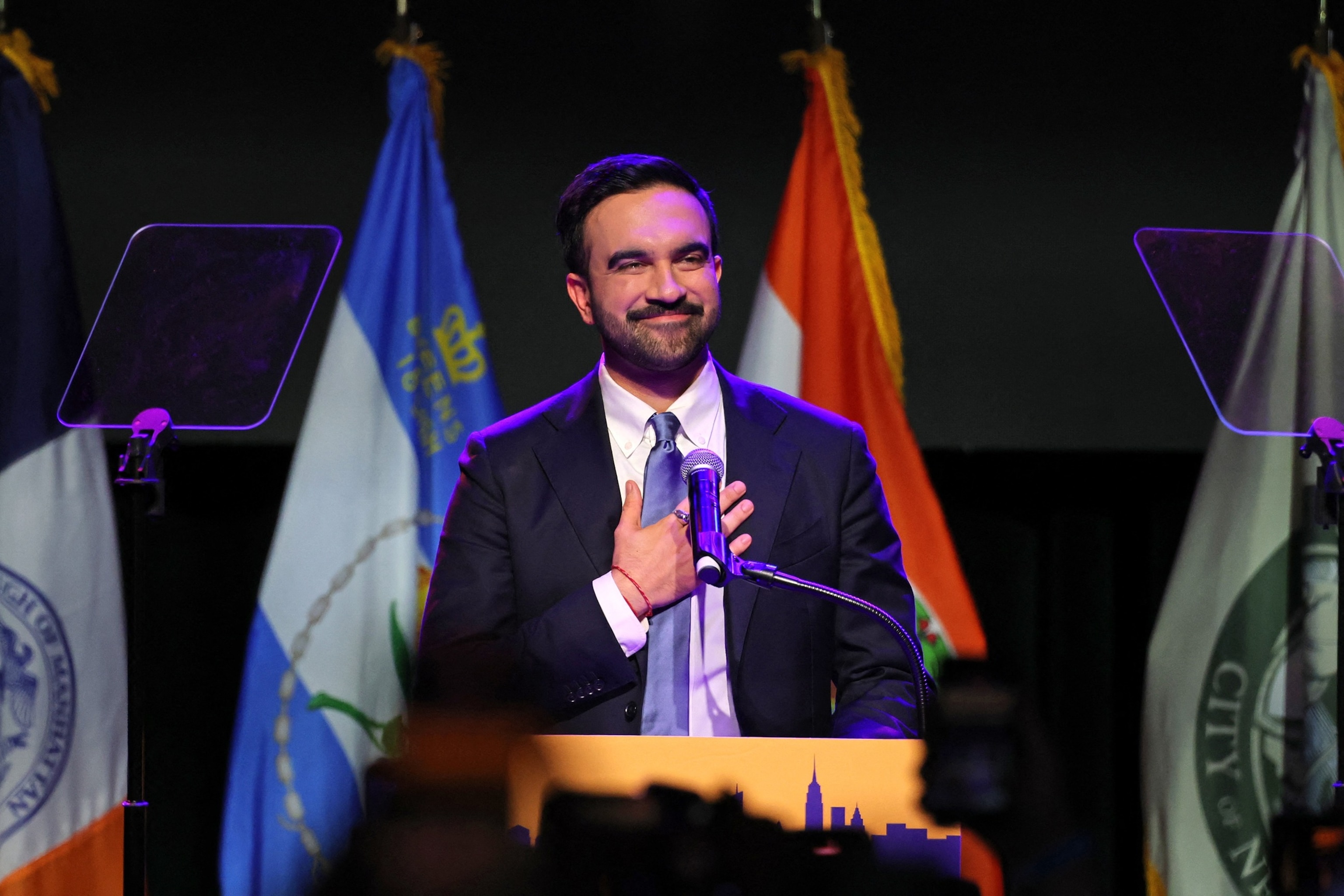
Mohammed Saha, a former NGO representative at the United Nations, provided a stark critique of the current financial hierarchy. According to Saha, there is a systemic imbalance in how different social classes interact with the law: “The poor and the middle class pay taxes, the rich pay tax advisors, the exceptionally rich pay lawyers—and the super-rich pay politicians.”
This perspective suggests that the resistance from billionaires like Griffin is not just about the amount of money being taxed, but about a perceived loss of the influence and protections that the super-wealthy have traditionally enjoyed. For supporters of the Mayor, the viral video was a way of stripping away that perceived immunity and making the wealth gap visible to the general public.
As New York City navigates this volatile period, the administration must balance its ideological goals with the practical realities of maintaining a competitive business environment. The outcome of this struggle will likely serve as a bellwether for other major global cities grappling with similar levels of inequality and the political pressure to redistribute wealth.
The next critical phase will be the formal introduction of the luxury tax legislation to the city council, where the administration will have to defend the legality and economic viability of the plan against a coalition of real estate interests and financial lobbyists.
We invite our readers to share their perspectives: Does targeting specific individuals in political campaigns cross a line, or is it a necessary tool for social change? Join the conversation in the comments below.
Worth a look