
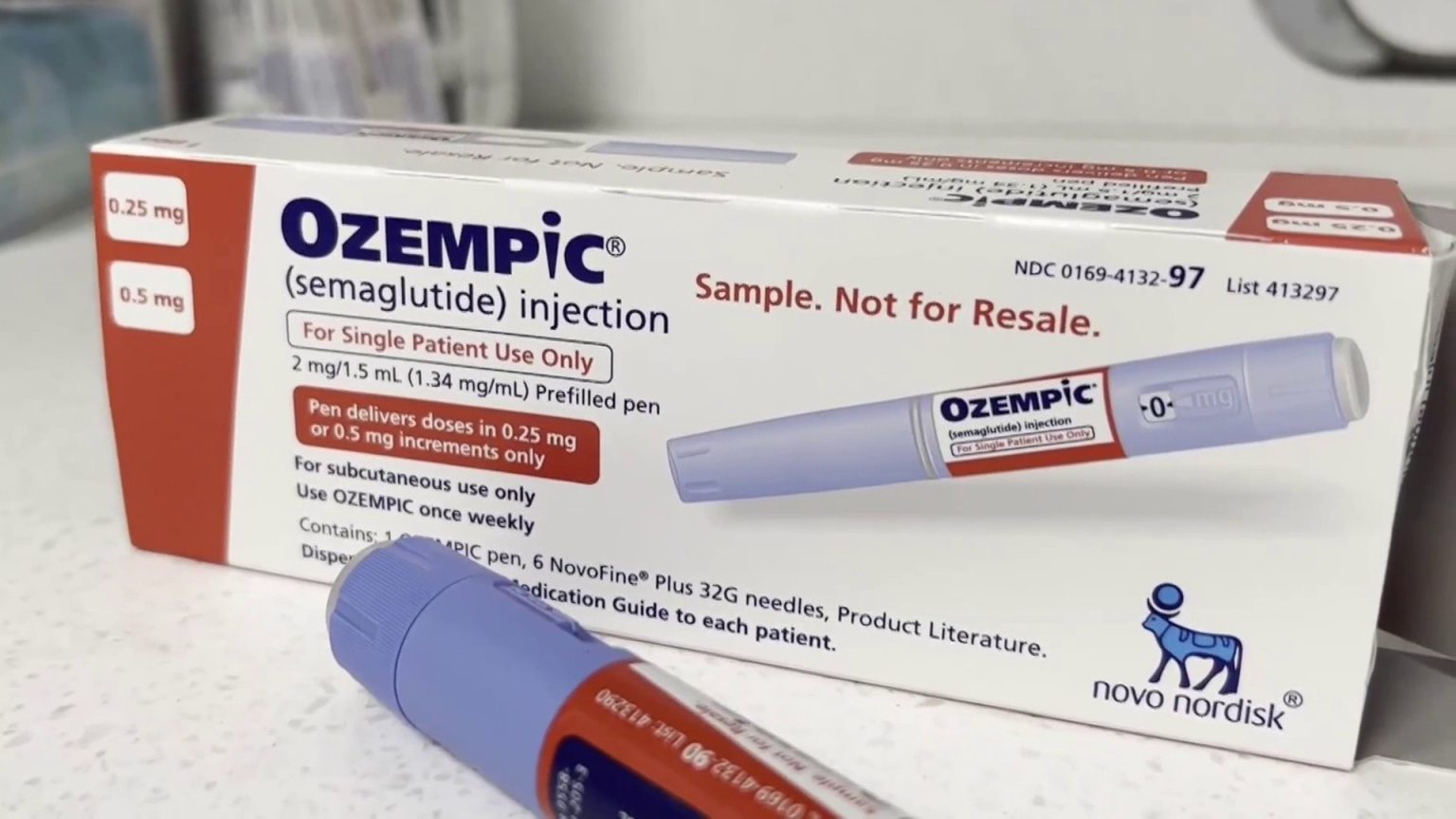
The rapid ascent of semaglutide—marketed under brand names like Ozempic and Wegovy—has been nothing short of a medical phenomenon. For millions, these GLP-1 receptor agonists have provided a breakthrough in managing type 2 diabetes and combating obesity, offering weight loss results previously seen only through surgical intervention. However, as the patient population expands from a controlled clinical group to a global mass market, a complex array of legal challenges and unexpected psychological side effects is emerging.
As a physician and health journalist, I have watched the conversation shift from the euphoria of rapid weight loss to a more cautious examination of long-term safety. We are now seeing a rise in litigation and a growing body of anecdotal evidence suggesting that the impact of these drugs extends far beyond the scale. From allegations of severe gastrointestinal damage to a mysterious psychological “flattening,” the discourse around Ozempic side effects and lawsuits is becoming central to how the medical community views the risk-benefit ratio of GLP-1 therapies.
The current tension lies in the gap between clinical trial data and “real-world evidence.” While the medications are FDA-approved and highly effective for their intended uses, a new wave of legal filings and data-mining efforts are attempting to uncover risks that may have been overlooked or underreported during the initial regulatory process. For patients and providers, understanding these developments is critical to ensuring that the pursuit of health does not come at an unforeseen cost.
The Legal Battle: Gastroparesis and Cancer Concerns
The most significant legal pressure currently facing Novo Nordisk, the manufacturer of Ozempic, involves claims of severe gastrointestinal injuries. A growing number of lawsuits allege that the drug can cause gastroparesis—a condition commonly known as “stomach paralysis”—where the stomach muscles stop functioning correctly, preventing food from moving into the small intestine. Plaintiffs argue that the company failed to adequately warn patients and doctors about the severity and permanence of this condition, which can lead to chronic vomiting, severe nausea, and in some cases, the need for surgical intervention.
Beyond gastric issues, there has been persistent concern regarding the risk of cancer, specifically medullary thyroid carcinoma (MTC). Ozempic already carries a boxed warning from the FDA regarding this specific type of thyroid cancer. This warning is based on findings in rodent studies, though the exact extent of the risk in humans remains a subject of intense medical scrutiny and legal debate. Lawsuits often hinge on whether the warnings provided to consumers were sufficiently prominent and whether the risk was understated during the drug’s marketing for off-label weight loss.
The legal strategy in these class-action-style suits often centers on “failure to warn.” When a drug is used off-label—meaning it is prescribed for a purpose other than its primary FDA-approved indication (such as using a diabetes drug solely for cosmetic weight loss)—the responsibility of the manufacturer to communicate risks to a broader, non-diabetic population becomes a focal point of litigation. For patients, this means that the safety profile of the drug may differ depending on the underlying health conditions of the user.
AI and the Search for ‘Invisible’ Side Effects
Traditional pharmacovigilance relies on doctors reporting adverse events to regulatory bodies. However, this system is notoriously underutilized. To fill this gap, researchers and data scientists are increasingly turning to artificial intelligence to analyze “real-world evidence” from social media platforms, particularly Reddit, where thousands of users document their daily experiences with GLP-1 medications in granular detail.
By employing natural language processing (NLP) to analyze hundreds of thousands of user posts, AI can detect patterns of side effects that might not be captured in a clinical trial. These “invisible” side effects often include subtle changes in mood, cognitive function, or rare physical reactions that patients might not think to report to their physician but will share with a peer community online. This method of data mining allows researchers to identify signals—early warnings of potential risks—much faster than traditional reporting cycles.
While social media data is not a substitute for a peer-reviewed clinical trial, it serves as a vital “smoke detector” for the medical community. When AI detects a spike in mentions of a specific symptom, such as severe joint pain or profound lethargy, it prompts clinicians to look closer at their own patient populations. This intersection of big data and medicine is redefining how we monitor drug safety in the digital age, moving from a reactive model to a proactive one.
Understanding ‘Ozempic Personality’ and Anhedonia
Perhaps the most intriguing and concerning development is the emergence of what some are calling “Ozempic personality.” This is not a clinical diagnosis, but rather a description of a psychological shift reported by a segment of users. Patients describe a sense of emotional blunting, a loss of passion, or a general feeling that life has become “fade” or “grey” following significant weight loss.
In medical terms, this closely resembles anhedonia—the inability to feel pleasure from activities usually found enjoyable. To understand why this happens, we must look at how GLP-1 receptor agonists work. While these drugs primarily target the pancreas and the gut to regulate insulin and appetite, GLP-1 receptors are also present in the brain, specifically in areas associated with reward, motivation, and dopamine regulation.
For many, the suppression of “food noise”—the constant intrusive thoughts about eating—is a liberation. However, because the reward system in the brain is interconnected, the suppression of cravings for food may inadvertently dampen the reward response for other pleasures. When the dopamine pathways that drive the desire for food are muted, some patients report a secondary effect where their drive for other hobbies, social interactions, or emotional peaks is also diminished. This creates a complex psychological trade-off: the physical health benefits of weight loss versus a perceived decline in emotional vibrancy.
Managing the Risks: A Physician’s Guidance
Despite the headlines and the lawsuits, it is crucial to remember that for many, the benefits of semaglutide—including reduced risk of cardiovascular events and improved glycemic control—far outweigh the risks. However, the “one size fits all” approach to weight loss medication is dangerous. As a physician, I emphasize that these medications should never be used without strict medical supervision.

To mitigate risks, patients should prioritize the following:
- Comprehensive Screening: Before starting a GLP-1, patients must be screened for a personal or family history of medullary thyroid carcinoma or Multiple Endocrine Neoplasia syndrome type 2 (MEN 2).
- Gastrointestinal Monitoring: Any sign of severe abdominal pain, persistent vomiting, or inability to pass stool should be reported immediately to avoid the progression toward gastroparesis.
- Psychological Check-ins: Patients should be encouraged to monitor their mood. If a sense of profound apathy or depression emerges, it is essential to discuss this with a provider, as the dosage may need adjustment or the medication may not be suitable for that individual’s brain chemistry.
- Nutritional Support: Rapid weight loss can lead to muscle wasting and nutrient deficiencies. A structured diet and resistance training program are mandatory to ensure the weight lost is fat, not lean muscle mass.
The goal of medical innovation is to improve quality of life. If a medication helps a patient lose 20% of their body weight but leaves them unable to experience joy or suffering from a paralyzed stomach, the treatment has failed in its primary objective. The current legal and scientific scrutiny is a necessary part of the drug’s lifecycle, forcing a more nuanced understanding of how semaglutide interacts with the human body and mind.
The Path Forward: What to Expect
The landscape of GLP-1 therapies is evolving rapidly. We are currently awaiting further long-term longitudinal studies that will provide more definitive data on the incidence of thyroid cancers and the prevalence of severe gastric motility issues in the general population. Regulatory bodies like the European Medicines Agency (EMA) and the FDA continue to monitor post-marketing safety reports to determine if label changes or stricter prescribing guidelines are necessary.
In the coming months, the outcomes of several key lawsuits will likely dictate how these drugs are marketed and warned about in the future. We can expect more rigorous requirements for patient screening and perhaps a shift toward more personalized dosing strategies to minimize psychological side effects.
As we navigate this era of medical innovation, transparency is our best tool. Patients should feel empowered to ask their doctors about the latest safety data and be honest about any emotional or physical changes they experience. The journey to health is rarely a straight line, and the “magic pill” for weight loss comes with a set of responsibilities for both the prescriber and the patient.
What has your experience been with GLP-1 medications, or what concerns do you have regarding their long-term use? Share your thoughts in the comments below or share this article with someone who needs to stay informed about these developments.
- Can GLP-1 Drugs Like Zepbound and Ozempic Treat Sleep Apnea?
- How to Start Your Day for a Healthy Gut: Expert Tips from Dr. María Dolores de la Puerta
- Ozempic and Loose Skin: Minimal Invasive Skin Tightening After Weight Loss (world-today-news.com)
- FDA Approves Groundbreaking mRNA Vaccine Booster for Adults 50+, Boosting Immunity and Protecting Against Chronic Health Risks (archyworldys.com)