In the modern digital landscape, the allure of “going viral” is often equated with instant financial success. For many aspiring content creators, the dream is simple: amass millions of views, trigger a cascade of platform payouts, and secure a lucrative career. However, the reality behind the screen is frequently far less glamorous, a truth recently highlighted by Belgian sports content creator Ender Scholtens.
Scholtens, who has built a significant following through high-energy, meticulously edited sports content, has pulled back the curtain on the financial mechanics of the creator economy. In a candid discussion regarding the disparity between visibility and profitability, he revealed that the revenue generated from millions of views is often insufficient to cover the basic production costs—specifically the high cost of professional video editing.
This revelation serves as a critical case study for the broader “creator economy,” where the metric of success has shifted from traditional viewership to engagement and brand equity. For Scholtens, the struggle is not a lack of audience, but the economic inefficiency of short-form video monetization on major platforms.
As the sports media landscape continues to fragment, moving away from traditional broadcasting toward individual personalities, the Scholtens example underscores a systemic challenge: the platforms providing the reach are not necessarily the platforms providing the living wage.
The Illusion of Virality: Why Millions of Views Don’t Equal Millions of Dollars
For the average viewer, a video with five or ten million views suggests a windfall of profit. However, the actual payout structure for short-form content—such as TikToks, Instagram Reels, and YouTube Shorts—is notoriously lean. While long-form YouTube content allows for more robust ad integration, short-form “snackable” content often relies on creator funds or minimal revenue-sharing models that pay fractions of a cent per view.
Ender Scholtens has noted that while his reach is expansive, the direct income from these views does not align with the effort required to produce the content. This “reach-revenue gap” is a common pain point for high-production creators who prioritize cinematic quality over low-effort, high-volume posting. When a creator invests in professional editing to ensure their sports analysis or highlights stand out, the overhead begins to outweigh the platform’s direct compensation.
The economic reality is that platforms benefit more from the traffic generated by viral hits than the creators do. By hosting high-quality content that keeps users engaged, platforms increase their own ad inventory and user retention, while the creator often bears the full financial risk of production. For Scholtens, the cost of the “edits”—the cutting, color grading, and rhythmic synchronization that define his style—can exceed the direct payouts from the views those very edits generate.
The Hidden Cost of High-End Sports Production
Sports content is uniquely demanding from a production standpoint. Unlike a “talking head” vlog, sports media requires synchronization with fast-paced action, the integration of multiple angles, and a deep understanding of timing to maintain viewer retention. This level of quality requires either an immense amount of time from the creator or the hiring of professional editors.
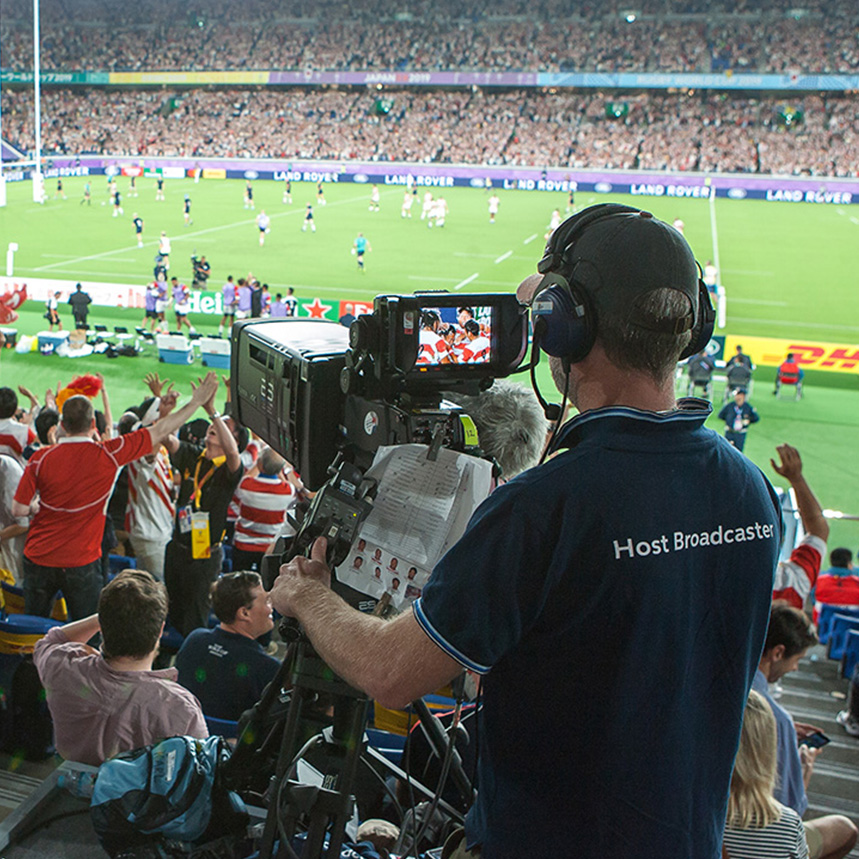
Professional video editors charge based on complexity and time. For a creator like Scholtens, whose brand is built on a specific, high-energy aesthetic, the editing process is not a luxury but a core component of the product. When these production costs are factored in, the “profit” from a viral video can quickly turn into a net loss.
This creates a paradox in the current sports media environment: to get the views necessary to attract sponsors, a creator must produce high-quality content; however, producing that high-quality content often costs more than the views themselves are worth. This cycle forces creators to look beyond the “view count” as a primary KPI (Key Performance Indicator) and instead view their content as a loss-leader for other revenue streams.
Navigating the Creator Economy: Beyond Platform Payouts
If platform payouts are insufficient, how do creators like Ender Scholtens sustain their operations? The answer lies in the shift from ad-based revenue to partnership-based revenue. In the modern sports ecosystem, the “view” is not the product; the audience’s trust and attention are the products.
Most successful digital sports personalities now rely on a diversified monetization strategy:
- Brand Partnerships: Direct sponsorships with sports brands, betting companies, or tech firms where the creator is paid a flat fee for integration, regardless of the exact view count.
- Affiliate Marketing: Earning commissions on products recommended to a loyal following.
- Merchandising: Leveraging personal branding to sell physical goods.
- Consulting and Agency Work: Using their expertise in virality to help traditional sports organizations reach younger demographics.
By treating their social media channels as a portfolio rather than a paycheck, creators can justify the high cost of professional editing. The “millions of views” serve as a signal to potential corporate partners that the creator has the reach and influence to move a needle, making the content a marketing expense rather than a direct profit center.
The Broader Impact on Sports Journalism and Media
The struggle described by Scholtens reflects a wider shift in how sports are consumed globally. We are seeing a transition from the “Era of the Institution” (where ESPN, Sky Sports, or BBC held the monopoly on sports narrative) to the “Era of the Individual.”
However, this democratization of media comes with a financial precariousness. Traditional journalists have salaries and benefits; independent creators have “views” and “likes.” While the independence allows for more authentic, raw, and engaging storytelling—often free from the constraints of corporate broadcasting—it places the entire financial burden of production on the individual.
This trend is particularly evident in European football coverage, where creators are filling the gap left by traditional media by providing hyper-focused, fan-centric analysis. As these creators professionalize, the demand for higher production values increases, further widening the gap between the cost of creation and the rewards of distribution.
Key Takeaways on Digital Content Monetization
- Reach $\neq$ Revenue: High view counts on short-form platforms often provide minimal direct financial return.
- Production Overhead: High-quality editing is essential for growth but can be more expensive than the direct ad revenue it generates.
- Diversification is Mandatory: Sustainable creators rely on brand deals and partnerships rather than platform-native payouts.
- Content as a Portfolio: Viral videos act as “social proof” to attract higher-paying corporate sponsorships.
The experience of Ender Scholtens serves as a cautionary yet illuminating tale for the next generation of sports media professionals. The path to success in the digital age is not found in chasing the algorithm for the sake of a number, but in building a brand that is valuable enough for partners to pay for, regardless of whether the platform’s payout is “enough to pay for the edits.”
As the industry evolves, the focus will likely shift toward more sustainable revenue-sharing models or the rise of subscription-based “fan hubs” where creators can monetize their most loyal followers directly, bypassing the volatility of the viral cycle.
The next major checkpoint for the creator economy will be the continued integration of AI-driven editing tools, which may eventually lower the production costs that currently plague high-end creators. Until then, the balance between cinematic quality and financial viability remains a delicate act.
What do you think about the gap between viral fame and financial stability for creators? Share your thoughts in the comments below or share this article with a fellow content creator.
Related reading