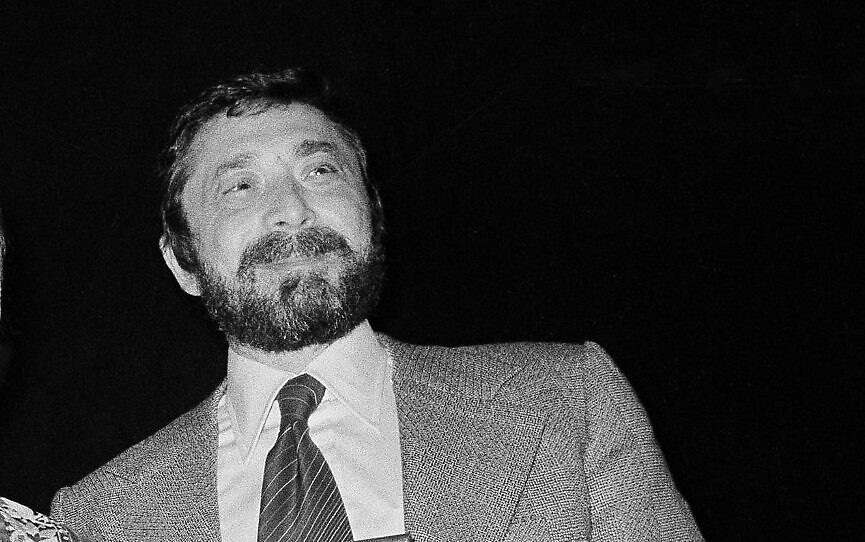
The upcoming cinematic exploration of the life of Michael Jackson is doing more than just revisiting the choreography and melodies of the “King of Pop.” As the world anticipates the release of the biopic Michael, the film is shining a spotlight on a pivotal, yet often overlooked, figure in the music industry: Walter Yetnikoff.
For many music historians, the ascent of Michael Jackson during the Thriller era is viewed as an inevitable explosion of talent. However, the narrative presented in the new film suggests a more complex struggle behind the scenes. At the heart of this struggle was Yetnikoff, then the president of CBS Records, who found himself in a high-stakes confrontation with the burgeoning power of MTV to break a systemic “color barrier” that limited the visibility of Black artists.
The film, directed by Antoine Fuqua, captures a critical juncture in 1983. While Jackson’s music was dominating the airwaves, the visual medium of the music video—which was becoming the primary driver of global stardom—remained stubbornly segregated. The portrayal of Yetnikoff in the film serves as a reminder that the “floodgates” for a generation of Black artists did not simply open on their own; they were pushed open through a combination of undeniable talent and aggressive corporate maneuvering.
As a journalist who has covered the intersection of culture and power for over a decade, I find this aspect of the story particularly resonant. It transforms the biopic from a standard celebration of a superstar into a study of how institutional racism in the media was challenged and eventually dismantled by those with the leverage to demand change.
The ‘Color Barrier’ and the Fight for ‘Billie Jean’
In the early 1980s, MTV was the most influential cultural force in the United States, yet it faced significant criticism for its reluctance to play music videos by Black artists. The network’s early programming focused heavily on white rock artists, creating a glass ceiling that hindered the growth of R&B and soul music on a national visual scale. This systemic exclusion meant that even artists with massive record sales were often denied the visual promotion necessary to reach the widest possible audience.
The tension reached a breaking point during the cycle for the Thriller album. According to historical accounts and the narrative arc of the film, the release of “Billie Jean” became the catalyst for a showdown. While the song was a sonic masterpiece, its success was capped by the fact that MTV was hesitant to give it the rotation it deserved. The film depicts a pivotal scene where Michael Jackson and his lawyer, John Branca, confront Walter Yetnikoff about this disparity.
In the movie, Jackson is portrayed as a “proud Black artist” who refused to be “shoved to the back of any bus,” a sentiment that mirrored the broader Civil Rights struggles of the era. This demand placed Yetnikoff in a challenging position. As the head of CBS Records, he had the commercial interest to see Jackson succeed, but he had to navigate the rigid, often unspoken racial biases of the MTV executives.
The result of this pressure—and Yetnikoff’s subsequent insistence that the network air the video—was a paradigm shift. When “Billie Jean” finally broke through, it didn’t just propel Michael Jackson to unprecedented heights; it forced MTV to diversify its playlist, effectively opening the door for subsequent generations of Black musicians to achieve mainstream pop stardom without having to compromise their identity.
The Role of Walter Yetnikoff in Music History
Walter Yetnikoff is often remembered as one of the most colorful and formidable executives in the history of the recording industry. During his tenure at CBS Records, he was known for his fierce loyalty to his artists and his willingness to clash with corporate bureaucracy to ensure their success. While the Michael biopic focuses on his role in the MTV conflict, Yetnikoff’s influence extended far beyond a single artist.
He was instrumental in shepherding the careers of a diverse array of legends, including Billy Joel, Bruce Springsteen, and Gloria Estefan. His approach was characterized by a belief in the “superstar” model—the idea that a truly great artist should be supported with every available resource to achieve maximum global impact. This philosophy was perfectly aligned with Michael Jackson’s own ambitions.
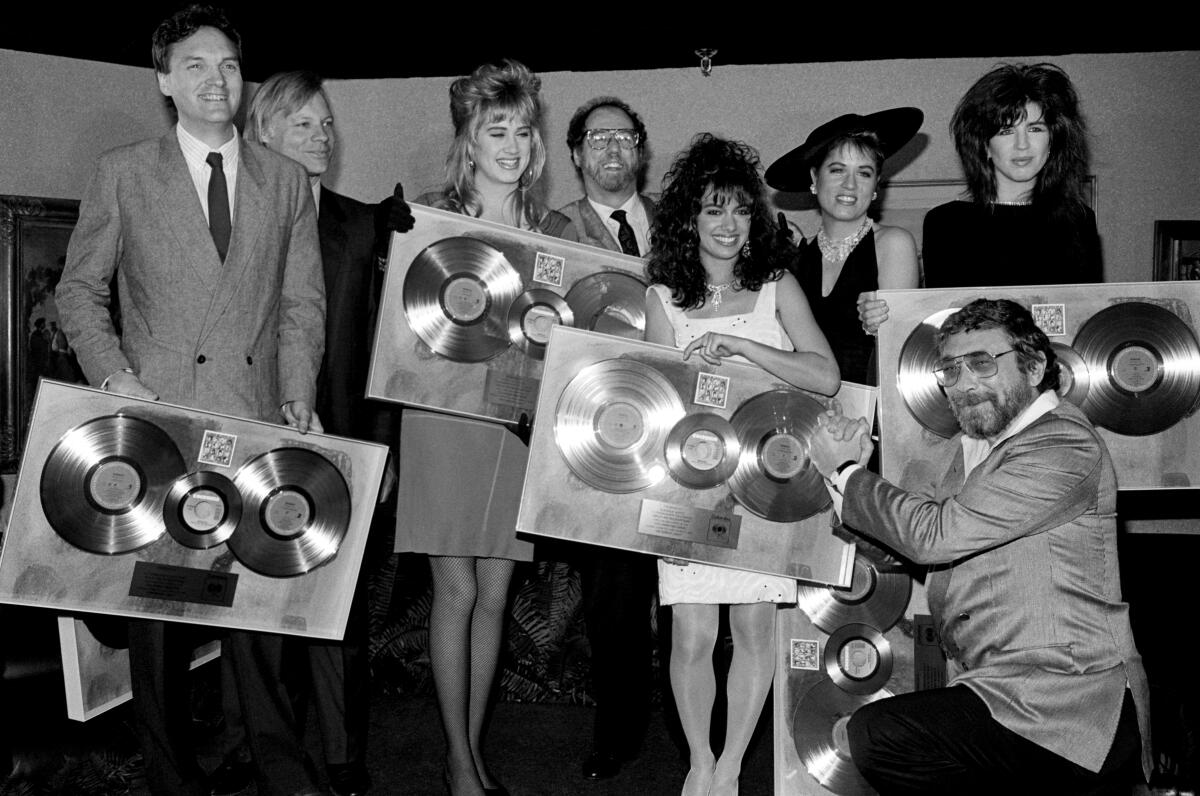
The film portrays Yetnikoff (played by Mike Myers) not just as a corporate suit, but as a strategic ally. By leveraging the power of CBS Records, Yetnikoff was able to pressure MTV founder Bob Pittman and other executives to reconsider their programming strategies. This dynamic highlights a critical truth about the music industry: talent is essential, but the infrastructure of distribution and promotion is where the real battles for equity are fought.
By reviving the legend of Yetnikoff, the film provides a necessary counter-narrative to the idea that Jackson’s success was a solo journey. It acknowledges the symbiotic relationship between the artist and the executive who is willing to fight the cultural battles necessary to clear the path for that artist’s vision.
Cinematic Ambition: Bringing the Era to Life
The production of Michael reflects the scale of the story it attempts to tell. Directed by Antoine Fuqua, the film spans the early life of Michael Jackson, from his time with the Jackson 5 in the 1960s through the peak of the Bad tour in the late 1980s. The casting of Jaafar Jackson, Michael’s nephew, in the lead role adds a layer of familial authenticity to the performance, capturing the nuance of the singer’s movement and presence.
However, it is the supporting cast that provides the film’s grounding in reality. Miles Teller’s portrayal of lawyer John Branca and Mike Myers’ transformation into Walter Yetnikoff provide the professional framework around the artistry. The use of heavy makeup and meticulous set design—including scenes filled with gold records and the high-pressure atmosphere of 1980s record labels—transports the audience back to a time when the music industry was governed by a few powerful individuals in New York and Los Angeles.
The film’s decision to focus on the MTV conflict is a strategic narrative choice. It moves the story beyond the personal tragedies and triumphs of Jackson’s life and places it within a broader sociological context. It asks the audience to consider how the media we consume is shaped by the people who control the gates, and what happens when those gates are finally forced open.
For those interested in the production details, the film was produced by Graham King and Lionsgate Films, with a budget estimated between $165 million and $200 million, reflecting the immense scale of the musical sequences and the period-accurate recreations of the 1980s music scene. The film is scheduled for a wide release in April 2026, as detailed in reports from Variety.
Why This Story Matters Today
The struggle described in Michael may seem like a relic of the 1980s, but the underlying themes remain strikingly relevant. The “color barrier” at MTV was a visible manifestation of a deeper systemic bias in how Black art is marketed and consumed. Even in the age of streaming and social media, where “gatekeepers” seem to have vanished, the algorithms that determine visibility often mirror the same biases that once existed in the boardroom of a cable network.
When we look at the success of contemporary artists, it is important to remember that the path was paved by those who refused to accept the status quo. The insistence of Michael Jackson that he would not be “shoved to the back of any bus” was not just a personal demand; it was a political statement. Yetnikoff’s role in that process demonstrates the importance of allyship within corporate structures—the idea that those in power have a responsibility to use that power to dismantle unfair barriers.
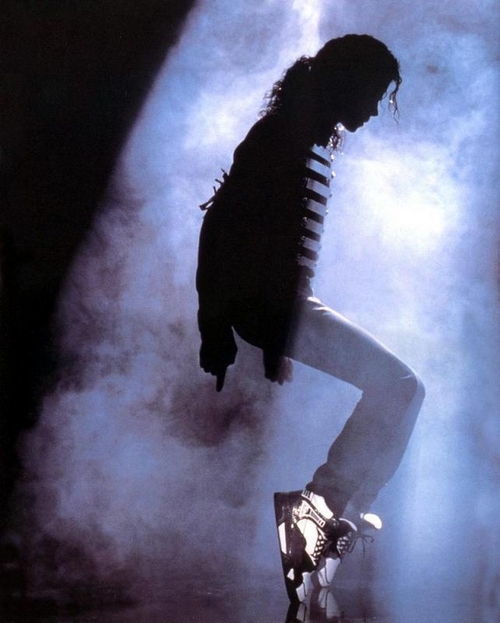
the film serves as a case study in the power of the music video. Before the digital age, the music video was the most potent tool for cultural diplomacy. By breaking into MTV, Michael Jackson didn’t just sell more records; he changed the global perception of Black artistry, proving that a Black performer could be the biggest star in the world across all demographics.
As the world prepares for the film’s release, the conversation surrounding Walter Yetnikoff reminds us that history is often written by the performers, but it is shaped by the strategists. The “legend” of the Jewish music mogul who battled MTV is a testament to the collaborative nature of cultural revolution.
Key Historical Context: The MTV Transition
- Pre-1983: MTV predominantly featured “Album Oriented Rock” (AOR), with a heavy bias toward white artists.
- The Catalyst: The massive popularity of “Billie Jean” and the high quality of its cinematic video made it impossible for the network to ignore.
- The Breakthrough: The eventual rotation of “Billie Jean” and “Thriller” broke the racial barrier, leading to increased airplay for other Black artists.
- The Legacy: This shift paved the way for the “MTV Era” of the 80s and 90s, where pop and R&B became the dominant global genres.
The narrative of Michael suggests that this transition was not a natural evolution but a hard-won victory. By documenting the friction between CBS Records and MTV, the film provides a rare glimpse into the machinery of fame and the cost of breaking boundaries.
For those looking to delve deeper into the history of the music industry during this period, official archives from the Library of Congress provide extensive documentation on the evolution of music videos and their impact on American culture.
The upcoming release of Michael promises to be more than a musical journey; it is a historical reclamation. By bringing figures like Walter Yetnikoff back into the public consciousness, the film ensures that the full story of the “King of Pop” includes the fight for the right to be seen by everyone, everywhere.
The next major milestone for the project will be the official release of the full-length trailer and the subsequent global press tour leading up to the April 2026 premiere. We will continue to monitor the production and the cultural discourse surrounding the film’s portrayal of music industry history.
What do you think about the role of industry executives in shaping cultural milestones? Does the “biopic” format do enough to credit the people behind the scenes? Share your thoughts in the comments below.