
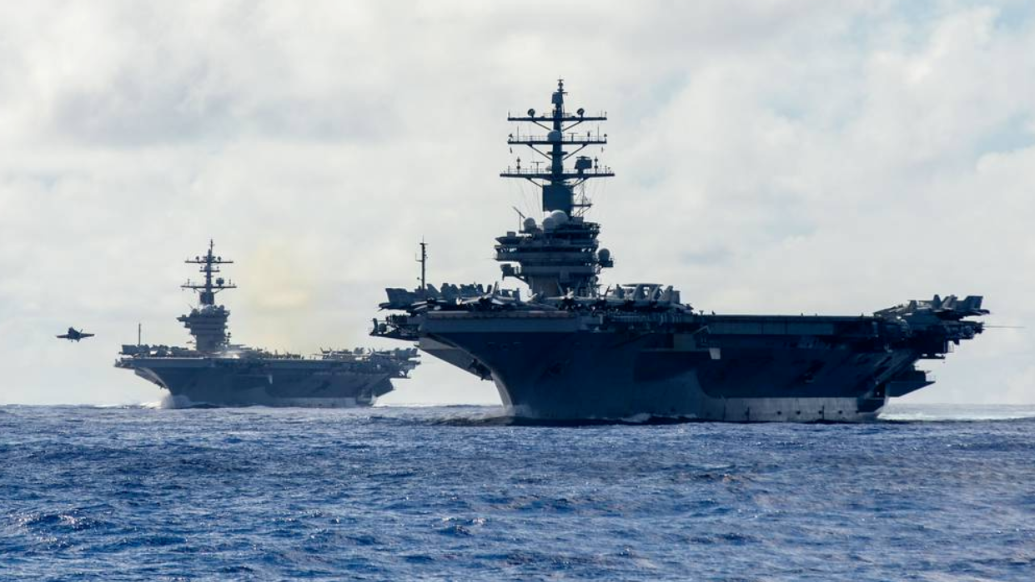
Reports from British media indicate that the United Kingdom is preparing to redeploy the HMS Dragon, a sophisticated Type 45 destroyer, to the Middle East. The vessel is expected to participate in critical escort operations within the Strait of Hormuz, a region long defined by geopolitical volatility and its role as a primary artery for global energy supplies.
The redeployment of the HMS Dragon signals a continued commitment by the Royal Navy to maintain maritime security in one of the world’s most sensitive chokepoints. While official confirmation from the UK Ministry of Defence is often withheld until vessels are in transit, the reported movement of a Type 45 destroyer suggests a strategic emphasis on air defense and the protection of commercial shipping lanes against potential threats.
The Strait of Hormuz remains a focal point of international security due to the sheer volume of oil and liquefied natural gas (LNG) that passes through its narrow waters daily. Any disruption in this corridor has the potential to trigger immediate fluctuations in global energy prices and disrupt supply chains across Europe and Asia.
For the Royal Navy, the HMS Dragon represents a high-capability asset designed specifically to counter aerial threats. Its presence in the Middle East is typically intended to provide a deterrent effect, ensuring that international shipping can navigate the strait without undue interference, adhering to the principle of freedom of navigation.
The Strategic Role of HMS Dragon and the Type 45 Class
The HMS Dragon is part of the Type 45 destroyer fleet, which is specifically engineered for integrated air defense. These vessels are among the most capable air-defense destroyers in the world, utilizing the Sampson radar system to track and engage targets across vast distances. In the context of the Strait of Hormuz, the HMS Dragon’s primary mission is not surface-to-surface combat, but rather providing a “protective umbrella” for other naval assets and commercial tankers.
The deployment of such a vessel is a calculated move. The Type 45s are designed to protect a task group from saturation attacks by missiles or aircraft, making them ideal for escorting high-value targets through narrow corridors where the risk of asymmetric warfare—such as drone swarms or missile launches—is elevated. By deploying the Dragon, the UK enhances its ability to respond to rapid escalations in the region.
Beyond its technical specifications, the HMS Dragon serves as a symbol of British naval reach. The Royal Navy frequently rotates its assets in the Middle East to maintain a persistent presence, ensuring that the UK can support coalition efforts and safeguard the economic interests of the global community.
Why the Strait of Hormuz Remains a Global Flashpoint
To understand the significance of the HMS Dragon’s deployment, one must look at the geography and economics of the Strait of Hormuz. This narrow waterway connects the Persian Gulf with the Gulf of Oman and the Arabian Sea. It is the only sea passage from the Persian Gulf to the open ocean, making it an indispensable link for the export of hydrocarbons from Saudi Arabia, Iraq, Kuwait, and the United Arab Emirates.

The strategic sensitivity of the strait arises from its narrowness. at its tightest point, the shipping lanes are only two miles wide in each direction. This physical constraint makes the passage vulnerable to blockade or harassment. Historically, tensions between regional powers and Western nations have frequently manifested as threats to close the strait or seize tankers, leading to periodic increases in naval patrols by the US, UK, and other international partners.
The economic impact of a closure or significant disruption in the Strait of Hormuz would be immediate. Because a significant percentage of the world’s seaborne oil passes through this point, any perceived instability often leads to a “risk premium” being added to oil prices, affecting everything from gasoline costs at the pump to the price of plastics and chemicals globally.
Key Factors Driving Maritime Security Needs
- Energy Security: Protecting the flow of oil and gas to ensure global economic stability.
- Freedom of Navigation: Upholding international law that allows ships to pass through international straits.
- Deterrence: Preventing regional actors from using maritime harassment as a tool of political leverage.
- Coalition Synergy: Coordinating with allies to provide a unified front against piracy and state-sponsored interference.
Implications for International Relations and Trade
The redeployment of a British destroyer is rarely a standalone event; it is typically part of a broader diplomatic and military strategy. By placing the HMS Dragon in the region, the UK reinforces its alliance with Gulf partners and maintains a visible deterrent against activities that could threaten the stability of the energy market.
For commercial shipping companies and insurance underwriters, the presence of high-capability naval escorts is a stabilizing factor. When naval patrols are increased, the perceived risk of transit often decreases, which can help stabilize shipping insurance premiums for tankers operating in the Persian Gulf. This “security dividend” is crucial for maintaining the viability of trade routes that are otherwise fraught with risk.
the move underscores the UK’s role as a global maritime power. Despite shifts in domestic policy or budget constraints, the ability to project power into the Middle East remains a cornerstone of British foreign policy, ensuring that the UK has a seat at the table when discussing the security architecture of the region.
Comparison of Naval Roles in the Region
| Vessel Type | Primary Objective | Key Capability |
|---|---|---|
| Air Defense Destroyer (e.g., HMS Dragon) | Area Protection | Long-range radar and missile interception |
| Frigates | Escort & Patrol | Anti-submarine and surface warfare |
| Aircraft Carriers | Power Projection | Air superiority and strike capability |
| Mine Countermeasures | Lane Clearance | Detection and removal of sea mines |
What Happens Next?
As the HMS Dragon prepares for its mission, the international community will be watching for a formal response from the UK Ministry of Defence regarding the duration of the deployment and the specific rules of engagement. Typically, these operations involve close coordination with the Combined Maritime Forces (CMF), a multi-national partnership designed to enhance maritime security.
The next confirmed checkpoint for observers will be the official naval movement logs and potential announcements from the Royal Navy regarding the ship’s arrival in the Gulf of Oman. Until then, the deployment remains a strong signal of intent to maintain the openness of the world’s most critical energy corridor.
World Today Journal will continue to monitor the movements of the HMS Dragon and the security situation in the Strait of Hormuz. We invite our readers to share their perspectives on the role of international naval escorts in global trade in the comments section below.