
In a significant legal development that underscores the intersection of human rights and religious practice, the Supreme Court of India has issued a stark observation regarding the practice of Female Genital Mutilation (FGM). During a hearing on May 7, 2026, the court characterized the practice as an “aberration to a normal human anatomy,” signaling a firm judicial stance against the procedure.
The observations were made during the ongoing Sabarimala reference hearing, a complex legal proceeding that continues to examine the boundaries of religious rights and individual liberties. The court’s focus on FGM emerged as part of a broader constitutional dialogue, highlighting the judiciary’s role in protecting bodily autonomy and health over traditional or customary practices that may cause harm.
This intervention by the apex court comes at a critical juncture as the Indian judiciary navigates the tension between the freedom to practice religion and the fundamental right to health and dignity. By explicitly addressing the physical and psychological toll of FGM, the court has provided a clear legal distinction between culturally sanctioned procedures and those that constitute a violation of human anatomy.
The Court’s Stance on Human Anatomy and Bodily Integrity
The core of the court’s recent observation centered on the fundamental nature of the human body. Justice Amanullah, presiding over the matter, stated that Female Genital Mutilation is an “aberration to a normal human anatomy.” This phrasing suggests that the court views FGM not merely as a social or religious issue, but as a direct assault on the biological integrity of the individual.
By defining the practice as an “aberration,” the judiciary is framing the issue through a lens of medical and human rights standards. This approach allows the court to move beyond theological debates and instead focus on the tangible, physical consequences of the practice. Such a framing is essential in constitutional law, where the “right to life” and “right to health” often serve as the primary checks against harmful customary practices.
The focus on anatomy implies that the court is prioritizing empirical health data and biological facts over claims of religious necessity. This alignment with global health standards emphasizes the court’s intent to protect vulnerable populations—particularly young girls—from irreversible physical harm in the name of tradition.
Distinguishing FGM from Male Circumcision
One of the most critical aspects of the May 7 hearing was the effort by a nine-judge Constitution Bench to draw a clear legal and medical line between Female Genital Mutilation and male circumcision. The bench firmly differentiated the two, rejecting attempts to equate them as similar cultural or religious rites.

The Supreme Court emphasized that FGM carries severe impacts that are not present in male circumcision. Specifically, the court highlighted the devastating effects of FGM on several key areas of a woman’s life:
- Physical Health: The immediate and long-term trauma associated with the removal of healthy tissue.
- Reproductive Health: The potential for severe complications during childbirth and menstruation.
- Emotional Well-being: The psychological trauma and long-term mental health struggles resulting from the procedure.
- Sexual Health: The permanent impairment of sexual function and pleasure.
By categorizing these impacts as “severe,” the Constitution Bench has established a precedent that the harm caused by FGM outweighs any claim of religious freedom. This distinction is vital for the legal community, as it prevents the use of “comparative tradition” arguments to justify practices that are fundamentally harmful to the health of the individual.
The Sabarimala Context and Legal Precedent
The discussion regarding FGM occurred within the framework of the Sabarimala reference hearing. To understand why this topic surfaced, it is necessary to look at the broader legal history of the Sabarimala temple dispute. In 2018, a five-judge constitution bench of the Supreme Court issued a landmark ruling that struck down the ban on women of menstruating age from entering the Sabarimala temple, asserting that such a ban was discriminatory and violated constitutional guarantees of equality.
The current reference hearing is an extension of these constitutional inquiries. The court is continuing to evaluate how religious rights are balanced against the rights of individuals to be free from discrimination and bodily harm. The mention of FGM during these proceedings serves as a benchmark for what the court considers an “unacceptable” religious or customary practice.
When the court discusses FGM in the context of Sabarimala, it is essentially defining the limits of “essential religious practices.” The judiciary is asserting that while religion is a protected right, any practice that results in severe health impacts or the mutilation of human anatomy cannot be protected under the guise of faith.
Why This Ruling Matters for Human Rights
The implications of this observation extend far beyond the specific case of Sabarimala. By utilizing a nine-judge Constitution Bench—one of the highest authorities in the Indian legal system—the court is sending a powerful message to policymakers and society at large.
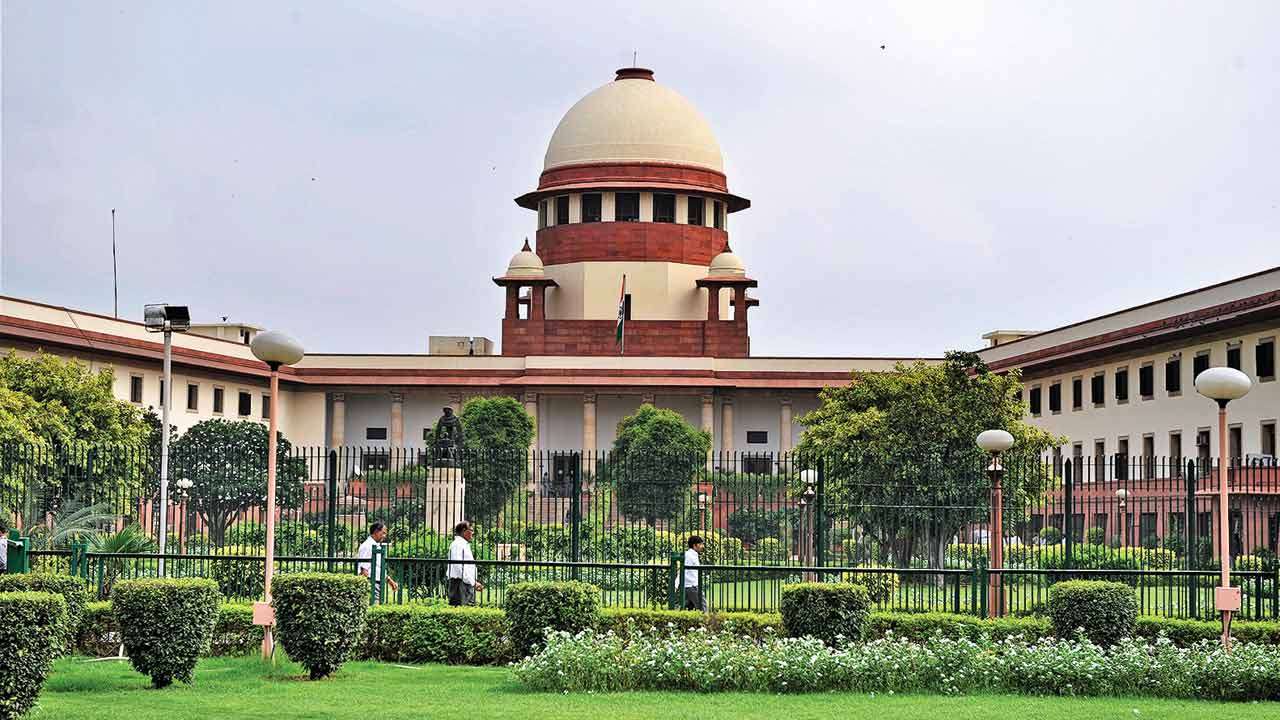
First, it provides a legal foundation for future challenges against FGM and similar harmful traditional practices. By documenting the severe reproductive and emotional health impacts, the court has created a judicial record that can be cited in lower courts to secure protections for girls and women.
Second, it reinforces the principle of bodily autonomy. The assertion that the body’s “normal anatomy” should not be altered through mutilation affirms that the individual’s right to their own body supersedes community or familial demands. What we have is a cornerstone of modern human rights law and is critical for the protection of minors who cannot consent to such procedures.
the court’s willingness to engage with the medical realities of FGM indicates a shift toward an evidence-based approach to constitutional law. Rather than relying solely on legal theory, the bench is incorporating health-based outcomes to determine the legality of a practice.
Key Takeaways from the Hearing
| Focus Area | Court’s Observation/Finding |
|---|---|
| Nature of FGM | Described as an “aberration to a normal human anatomy.” |
| Comparison | Firmly distinguished FGM from male circumcision. |
| Health Impacts | Identified severe physical, reproductive, emotional, and sexual health consequences. |
| Legal Context | Discussed during the Sabarimala reference hearing by a nine-judge Constitution Bench. |
For those seeking further information on the official proceedings, the Supreme Court of India provides official orders and cause lists regarding ongoing constitutional references.
The proceedings remain active as the court continues to deliberate on the complex intersection of faith, gender, and human rights. The next phase of the hearing is expected to further refine the legal standards for essential religious practices and the protections afforded to bodily integrity under the Indian Constitution.
We invite our readers to share their thoughts on the balance between religious freedom and bodily autonomy in the comments below.