
We have all experienced that fleeting moment of frustration—walking into a room only to forget why we entered, or struggling to recall the name of a colleague we have known for years. While these lapses are often dismissed as normal signs of aging, the quest to maintain mental acuity has moved from the fringes of “brain teasers” into the center of serious neurological science. As we navigate an era of unprecedented digital distraction, the question is no longer just whether we can keep our minds sharp, but how we can strategically build “cognitive reserve.”
Cognitive reserve refers to the brain’s ability to improvise and find alternate ways of getting a job done when the primary pathways are damaged or declining. It is essentially a buffer that allows some individuals to maintain normal function even in the presence of neuropathological changes associated with dementia. The good news is that this reserve is not entirely innate; it can be cultivated through lifelong learning, social engagement, and specific types of mental stimulation.
However, not all “brain games” are created equal. The market is flooded with apps promising to “stop memory loss,” but the scientific reality is more nuanced. To truly stimulate the brain, an activity must provide a combination of novelty, challenge, and complexity. Simply doing the same crossword puzzle every morning for twenty years is less effective than learning a new skill from scratch, because once a task becomes routine, the brain switches to “autopilot,” and the cognitive benefit plateaus.
As a physician and journalist, I have seen how the intersection of lifestyle and mental exercise determines our long-term cognitive trajectory. To protect your brain, you must move beyond passive consumption and embrace active engagement. Here is a comprehensive guide to the most effective brain-training strategies and the holistic habits that support them.
The Best Brain-Stimulating Activities for Cognitive Health
When neurologists recommend “games” for the brain, they are usually referring to activities that force the brain to create new neural connections, a process known as neuroplasticity. The goal is to push the brain out of its comfort zone. Based on current neurological understanding, the following categories of activity offer the highest return on investment for your mental health.
1. Complex Strategy Games
Games like chess, Go, or complex modern board games require more than just memory; they demand executive function, pattern recognition, and the ability to predict an opponent’s moves. These activities engage the prefrontal cortex, the area of the brain responsible for planning and decision-making. By forcing the mind to simulate multiple future scenarios, strategy games enhance fluid intelligence—the ability to solve new problems without relying solely on previously acquired knowledge.
2. Language Acquisition
Learning a new language is perhaps one of the most rigorous workouts a brain can undergo. It requires the simultaneous use of auditory processing, memory retrieval, and structural logic. Research suggests that bilingualism can actually delay the onset of dementia symptoms by several years because it forces the brain to constantly manage and switch between two different linguistic systems, thereby strengthening the brain’s executive control center.
3. Musical Instrument Training
Playing an instrument is a full-brain workout. It integrates visual information (reading music), auditory feedback (listening to the note), and fine motor skills (fingering the instrument). This multisensory integration strengthens the corpus callosum—the bridge between the left and right hemispheres of the brain—improving overall communication between different brain regions.
4. Novelty-Based Puzzles and Logic Games
While Sudoku and crosswords are popular, their benefits are maximized when the difficulty increases. The key is “progressive challenge.” Once you master a specific level of Sudoku, moving to a more complex version or switching to a different type of logic puzzle (like Nonograms or Cryptograms) ensures that the brain continues to struggle. It is this “productive struggle” that triggers the growth of new synapses.
5. Socially Interactive Games
Cognitive health does not happen in a vacuum. Games that require social interaction—such as bridge, team-based trivia, or role-playing games—add a layer of emotional intelligence and social processing to the mental challenge. Social isolation is a known risk factor for cognitive decline; activities that combine mental effort with human connection provide a dual benefit for the brain.
The Sedentary Trap: Why Screen Time Isn’t Enough
There is a dangerous misconception that spending hours on a “brain-training app” can offset a sedentary lifestyle. In reality, the brain is an organ that is deeply influenced by the state of the body. Recent data indicates that prolonged sedentary behavior—sitting for long periods and excessive screen time—is associated with a higher risk of cognitive impairment. When we sit for hours, blood flow to the brain decreases, and the metabolic processes required for neural repair slow down.
The “digital paradox” is that while we have more access to information and “brain games” than ever before, our habits have become more passive. Scrolling through short-form videos or passively consuming content does not build cognitive reserve; in fact, it may shorten our attention spans and reduce our capacity for deep, concentrated thought. To combat this, it is essential to balance digital mental exercises with physical movement and “analog” challenges.
A Holistic Blueprint for Long-Term Brain Health
Mental games are a vital piece of the puzzle, but they cannot function in isolation. A brain that is starved of nutrients, sleep, or oxygen will not benefit fully from any amount of Sudoku. To maximize the effects of cognitive training, you must implement a holistic health strategy.
The Role of Physical Exercise
Physical activity is perhaps the most powerful tool for brain health. Aerobic exercise, such as brisk walking, swimming, or cycling, increases the heart rate and boosts blood flow to the brain. More importantly, exercise stimulates the release of Brain-Derived Neurotrophic Factor (BDNF), a protein that acts like “fertilizer” for neurons, supporting the survival of existing brain cells and encouraging the growth of new ones. According to the Harvard Health Publishing guidelines, regular physical activity can help ward off cognitive decline and may be particularly beneficial for those with a genetic predisposition to Alzheimer’s.
Nutritional Support: The Mediterranean Approach
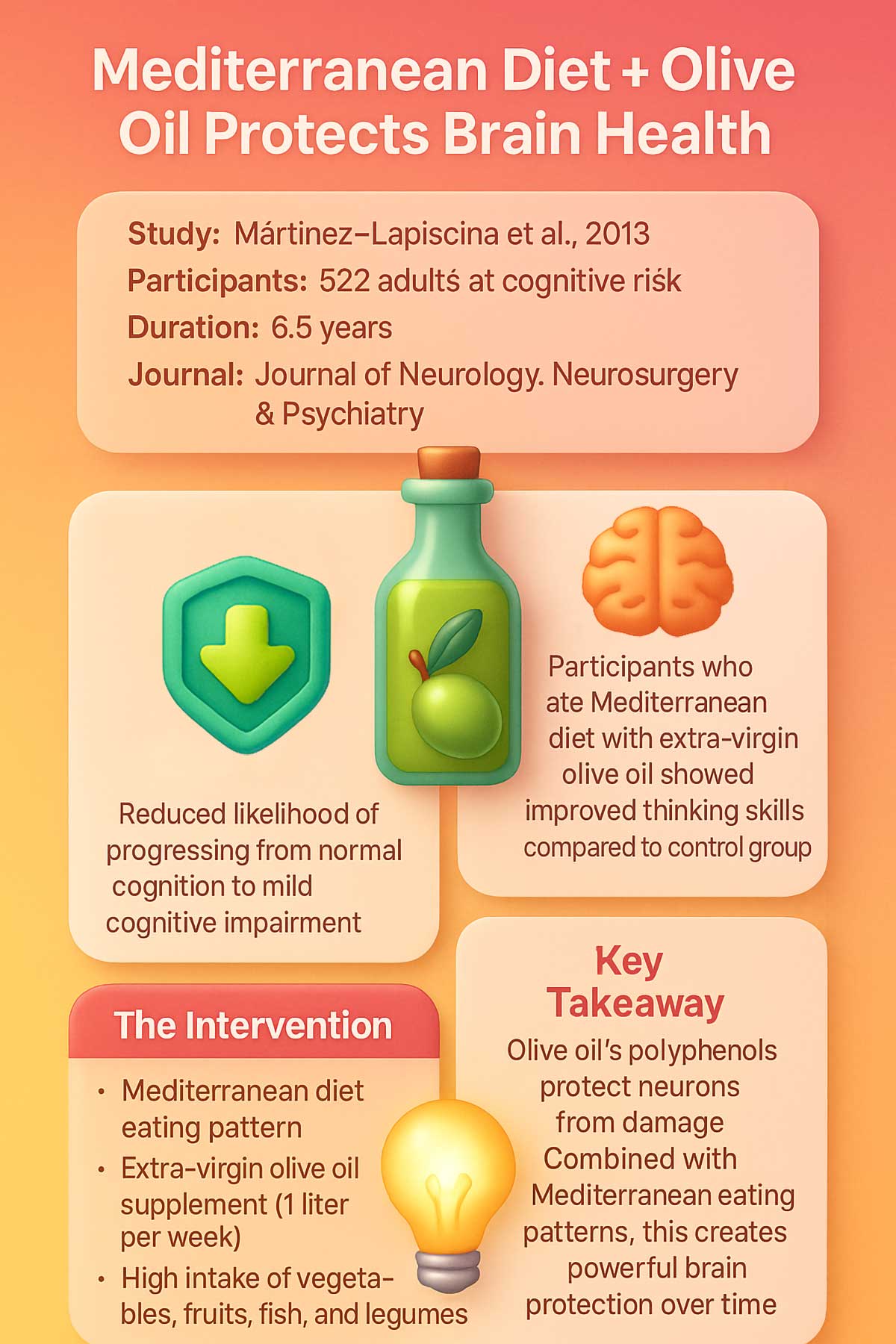
The brain is highly susceptible to oxidative stress and inflammation. A diet rich in omega-3 fatty acids, antioxidants, and healthy fats provides the raw materials necessary for maintaining cell membranes and reducing inflammation in the brain. The Mediterranean diet—emphasizing olive oil, nuts, fish, fruits, and vegetables—is widely recognized by medical professionals for its ability to protect against cognitive decline and potentially slow the progression of mild cognitive impairment.
The Necessity of Sleep Hygiene
Sleep is not merely a period of rest; it is a critical “cleaning” phase for the brain. During deep sleep, the glymphatic system becomes highly active, flushing out metabolic waste and toxic proteins, including beta-amyloid, which is associated with Alzheimer’s disease. Chronic sleep deprivation impairs the consolidation of memories and reduces the brain’s ability to focus, effectively canceling out the gains made through brain-training exercises.
Key Takeaways for Maintaining Mental Sharpness
- Prioritize Novelty: Engage in activities that are new and challenging. Once a game becomes easy, find a harder version or a new skill to learn.
- Combine Mental and Physical: Pair your brain games with aerobic exercise to maximize the production of BDNF and improve blood flow.
- Focus on Social Connection: Choose activities that involve other people to protect against the cognitive risks of isolation.
- Limit Passive Screen Time: Replace mindless scrolling with active learning, such as reading complex texts or practicing a musical instrument.
- Optimize Biology: Support your cognitive efforts with a Mediterranean-style diet and a strict sleep schedule to allow the brain to detoxify.
Frequently Asked Questions
Can brain games actually prevent Alzheimer’s disease?
While no single activity can “cure” or guaranteed-prevent Alzheimer’s, engaging in mentally stimulating activities helps build cognitive reserve. This means that even if the disease begins to affect the brain, a person with higher cognitive reserve may be able to function normally for a longer period before symptoms become apparent.
How much time should I spend on brain training?
Consistency is more important than intensity. Spending 30 to 60 minutes a day on a challenging activity—such as learning a language or playing a strategy game—is more effective than a five-hour “marathon” once a week.
Are digital brain-training apps better than traditional puzzles?
Not necessarily. Many apps are designed for engagement rather than neurological growth. Traditional puzzles, reading, and real-world skills often provide more complex, multi-dimensional challenges that translate better to real-life cognitive function.
Is it ever “too late” to start training my brain?
No. Neuroplasticity occurs throughout the entire human lifespan. While the brain is more plastic in childhood, adults and seniors can still form new neural connections and improve their cognitive function through targeted effort and lifestyle changes.
The journey toward lifelong cognitive health is not about a single “magic pill” or a specific app, but about a commitment to curiosity and movement. By challenging our minds and caring for our bodies, we can protect our most precious asset: our identity and our memories.
For those looking to start today, I recommend choosing one new skill—a language, an instrument, or a complex game—and committing to it for just 20 minutes a day. Your future self will thank you.
We invite you to share your own brain-boosting habits in the comments below. Which activities have helped you stay focused and sharp?
Keep reading