
The movement of a single vessel can often signal a shift in the geopolitical temperature of the Middle East, and the recent transit of a Qatari LNG tanker through the Strait of Hormuz is no exception. After a period of heightened tension and maritime disruptions, a Qatari liquefied natural gas (LNG) carrier has begun its journey through the strategic chokepoint, reportedly following a northern route after receiving the necessary clearances from Iranian authorities.
This development comes at a critical juncture for global energy security, as the Strait of Hormuz remains the world’s most vital artery for oil and gas exports. The resumption of these shipments is not merely a logistical victory but a signal of fragile energy diplomacy in a region where maritime transit rights are frequently used as leverage in broader political disputes.
For global markets, the sight of Qatari LNG moving steadily toward international waters provides a momentary reprieve from fears of supply shocks. However, the volatility of the past month suggests that this “green light” may be conditional, reflecting a complex balancing act between Doha, Tehran, and the energy-hungry nations of Asia.
Navigating the Chokepoint: The Northern Route and Iranian Approval
The transit of the Qatari LNG tanker is particularly noteworthy due to the specific path taken. Maritime tracking data indicates that the vessel utilized the northern shipping lane of the Strait of Hormuz, a move that often reflects a desire to maintain a specific distance from contested waters or to adhere to strictly coordinated transit corridors agreed upon with regional maritime authorities.
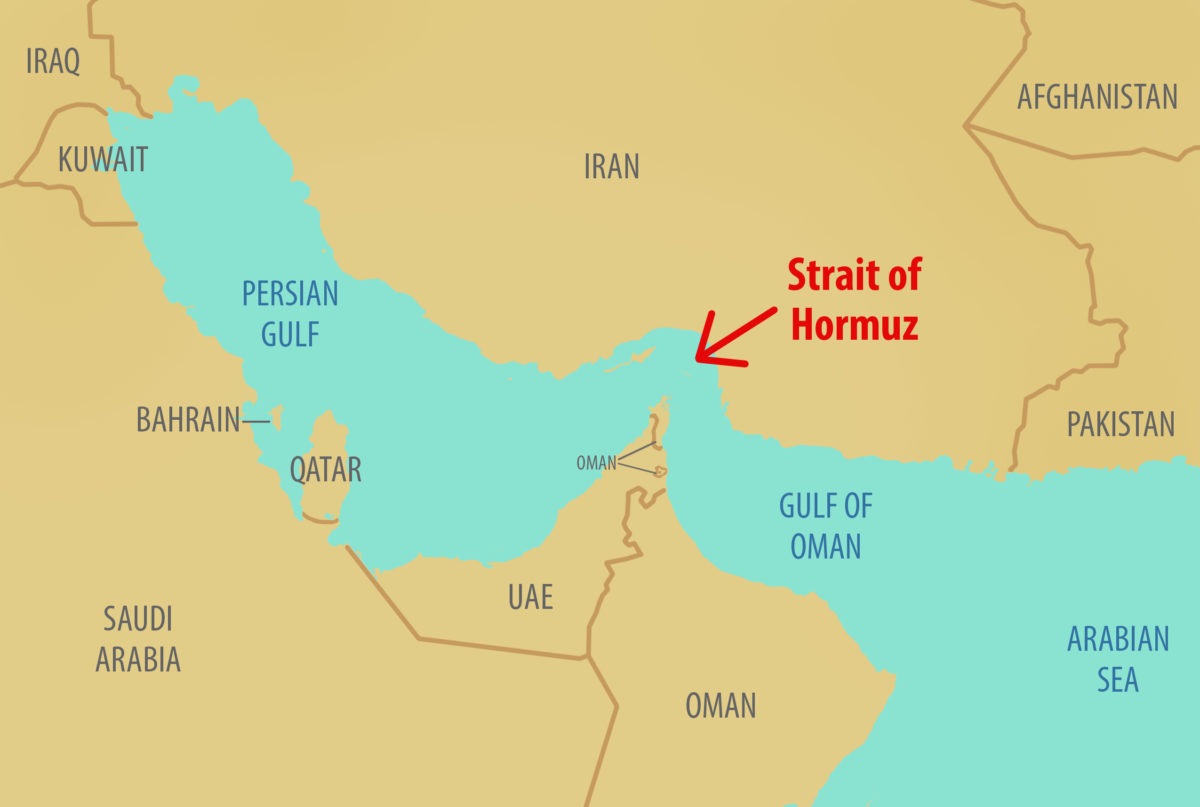
This movement follows a period of significant instability. On April 6, 2026, reports indicated that Iran had halted two Qatari LNG tankers, the Al Daayen and the Rasheeda, despite previous clearances to transit as part of a broader understanding with international stakeholders (Reuters). The sudden reversal in April underscored the precarious nature of shipping in the Gulf, where “clearance” can be revoked in real-time based on the prevailing political climate.
The current successful transit suggests a renewed, albeit tentative, agreement to allow the flow of energy. For Qatar, which is one of the world’s largest exporters of LNG, any disruption in the Strait of Hormuz is a direct threat to its economic lifeline. The reliance on Iranian approval for seamless transit highlights the strategic vulnerability of the Gulf states, regardless of their production capacity.
Energy Crisis in Pakistan: The Urgency of LNG Deliveries
While the geopolitical dance between Qatar and Iran dominates the headlines, the human and economic cost of these disruptions is felt most acutely in South Asia. Pakistan is currently grappling with a severe energy crisis, characterized by widespread electricity shortages and an escalating need for emergency fuel imports.
The Pakistani government has issued urgent requests for accelerated LNG shipments to stabilize its national grid and prevent further industrial paralysis. For Islamabad, the transit of Qatari gas through the Strait of Hormuz is not a matter of diplomatic nuance but a necessity for basic infrastructure survival. The failure of LNG tankers to reach their destinations in a timely manner directly translates to prolonged blackouts and economic contraction in one of the region’s most fragile economies.
This desperation creates a secondary layer of pressure on Qatar to ensure that its fleet can navigate the Strait without interference. The intersection of Pakistan’s energy poverty and Iran’s maritime control transforms a shipping route into a tool of regional influence, where the delivery of a single cargo can alleviate or exacerbate a national crisis.
The Economics of Energy Security and the ‘Hormuz Premium’
From a financial perspective, the instability in the Strait of Hormuz introduces what analysts call a “security premium” into the price of LNG. When the risk of seizure or delay increases, shipping insurance rates spike, and spot prices for LNG often rise as buyers scramble to secure alternative sources to avoid potential shortages.
The Strait of Hormuz is a classic maritime chokepoint; its narrow geography means that any disruption can have a disproportionate impact on global supply chains. Because a significant portion of the world’s LNG passes through this corridor, the market remains hyper-sensitive to any report of “halted” tankers or “conditional” approvals. The resumption of Qatari transits helps dampen this volatility, but the memory of the April disruptions ensures that the market remains on edge.
the use of the northern route is a tactical choice that minimizes risk but also serves as a reminder of the limited options available to vessels. Unlike oil, which can sometimes be diverted through pipelines in Saudi Arabia or the UAE, LNG is almost entirely dependent on specialized tankers. If the Strait is closed or restricted, there is no viable alternative for the vast majority of Qatari exports.
What So for Global Energy Diplomacy
The current situation reveals a sophisticated level of “energy diplomacy” where the flow of gas is used as a barometer for regional relations. The fact that Iran has allowed this tanker to proceed suggests a desire to avoid a total escalation that could trigger international maritime interventions or severe economic sanctions.

For the international community, the goal is to maintain the “freedom of navigation,” a principle of international law that ensures ships can pass through international straits without undue interference. However, in the Strait of Hormuz, the line between international waters and territorial seas is often blurred by political assertion. The Qatari transit is a pragmatic victory, but it does not resolve the underlying tension regarding who truly controls the gateway to the global energy market.
Stakeholders—including the International Energy Agency (IEA) and global shipping firms—continue to monitor these movements closely. The ability of Qatar to maintain a consistent flow of LNG is essential not only for its own GDP but for the energy stability of Japan, South Korea, and China, all of whom rely heavily on Qatari gas to power their industrial sectors.
As we observe this latest vessel’s progress, the broader question remains: is this a return to normalcy, or a temporary pause in a larger cycle of disruption? The volatility seen in early April suggests the latter, meaning that every single tanker that clears the Strait is a success, but not necessarily a guarantee of future stability.
The next confirmed checkpoint will be the arrival of this shipment at its destination port and the subsequent scheduling of the next convoy of Qatari LNG carriers, which will indicate whether a sustained transit agreement has been reached.
We invite our readers to share their perspectives on regional energy security in the comments below. How should global markets hedge against the volatility of maritime chokepoints?
Worth a look
- Chipotle Removes Jalapeños Amid Outbreak Concerns Despite No Official Link
- US Treasury and Japan’s Yen Intervention: Impact on the Korean Won and Asian Currencies
- US and Qatar Report Progress on Iran Ceasefire and Hormuz Strait Reopening (time.news)
- Khamenei warns Iranian president Pezeshkian over resignation threats (archyde.com)