
The traditional image of government communication—stodgy press releases, dense official gazettes and formal podium speeches—is undergoing a rapid, digitally driven metamorphosis. In an era where the average attention span is measured in seconds and the primary news source for millions is a social media feed, public administrations are being forced to meet citizens where they already spend their time. This shift is no longer optional; it is a requirement for institutional survival and transparency.
A prime example of this evolution is currently unfolding in southern Spain, where the Junta de Andalucía—the regional government of Andalusia—is aggressively expanding its government digital communication strategy. By pivoting toward high-engagement platforms like WhatsApp and TikTok, the administration is attempting to dismantle the barriers between the bureaucracy and the governed, ensuring that critical public information is not just available, but actively delivered to the palms of citizens’ hands.
This strategic move reflects a broader global trend in “GovTech” (Government Technology), where the goal is to transform the citizen’s experience from a passive recipient of administrative decrees to an active, informed participant in regional governance. The objective is clear: to ensure that no citizen “misses a thing” (no te pierdas nada de nada) regarding the services, laws, and opportunities provided by the state.
Bridging the Gap: The Junta de Andalucía’s Digital Pivot
For years, the primary challenge for regional governments has been the “information gap”—the space between the publication of an official decree and the moment a citizen actually becomes aware of it. Traditional portals often require a high level of digital literacy and a proactive effort to search for information, which often excludes marginalized populations and younger demographics.
The Junta de Andalucía is addressing this by integrating into the daily habits of its residents. By establishing an official presence on TikTok and launching a dedicated WhatsApp Channel, the administration is shifting from a “pull” model of communication (where citizens must seek information) to a “push” model (where information finds the citizen). This is particularly critical for disseminating urgent updates, such as public health advisories, employment opportunities, and educational deadlines, which are often time-sensitive.
This transition is part of a wider effort toward administrative modernization. According to the official portal of the Junta de Andalucía, the regional government continues to prioritize the digitalization of services to reduce bureaucracy and increase the efficiency of public administration, a goal that aligns with the European Union’s broader digital transformation mandates.
Why WhatsApp Channels? The Power of Direct Broadcast
The decision to utilize WhatsApp Channels is a calculated move based on the platform’s immense penetration in the Spanish market. Spain consistently ranks as one of the countries with the highest WhatsApp usage rates globally, making it the most effective tool for achieving mass reach without requiring citizens to download a new, government-specific app.
Unlike WhatsApp Groups, which can become chaotic and compromise user privacy by exposing phone numbers to other members, WhatsApp Channels offer a one-way broadcast mechanism. This is ideal for government use for several reasons:
- Privacy Protection: Followers of a channel cannot see the phone numbers or identities of other followers, and the administrator cannot see the followers’ phone numbers unless they are already in their contacts.
- Information Integrity: Because only the administrator can post, the channel remains a “source of truth,” preventing the spread of misinformation or “noise” that typically plagues group chats.
- Low Friction: Citizens can mute notifications or unfollow with a single tap, reducing the perceived intrusiveness of government outreach.
By leveraging this technology, the Junta de Andalucía can push real-time updates directly into the same app where citizens communicate with their families and friends, effectively integrating public service into the fabric of daily life.
TikTok and the Challenge of Institutional Authority
While WhatsApp handles the “utility” side of communication, TikTok is being used to solve a different problem: the engagement gap with Gen Z and Alpha. For many young people, a government website is an alien environment. TikTok, conversely, is their primary search engine and news aggregator.
The challenge for any government entity on TikTok is maintaining “institutional gravitas” while adhering to the platform’s fast-paced, informal, and often humorous aesthetic. The Junta de Andalucía is navigating this by translating complex administrative processes into short-form video content. Whether it is explaining how to apply for a youth grant or showcasing the cultural heritage of the region, the goal is to humanize the administration.
This approach acknowledges a fundamental truth of modern communication: credibility is no longer derived solely from the official seal on a document, but from accessibility and authenticity. When a government entity can explain a policy in a 60-second clip with engaging visuals, it reduces the perceived distance between the citizen and the state, potentially increasing trust in public institutions.
The Broader Context: Social-First Governance in Europe
The moves by the Junta de Andalucía are not happening in a vacuum. Across Europe, there is a growing movement toward “social-first” governance. This is driven by the need to combat the rise of disinformation and the “filter bubbles” created by algorithmic feeds. When official government accounts are active and engaging on the same platforms where misinformation spreads, they can provide a necessary counter-narrative with verified facts.
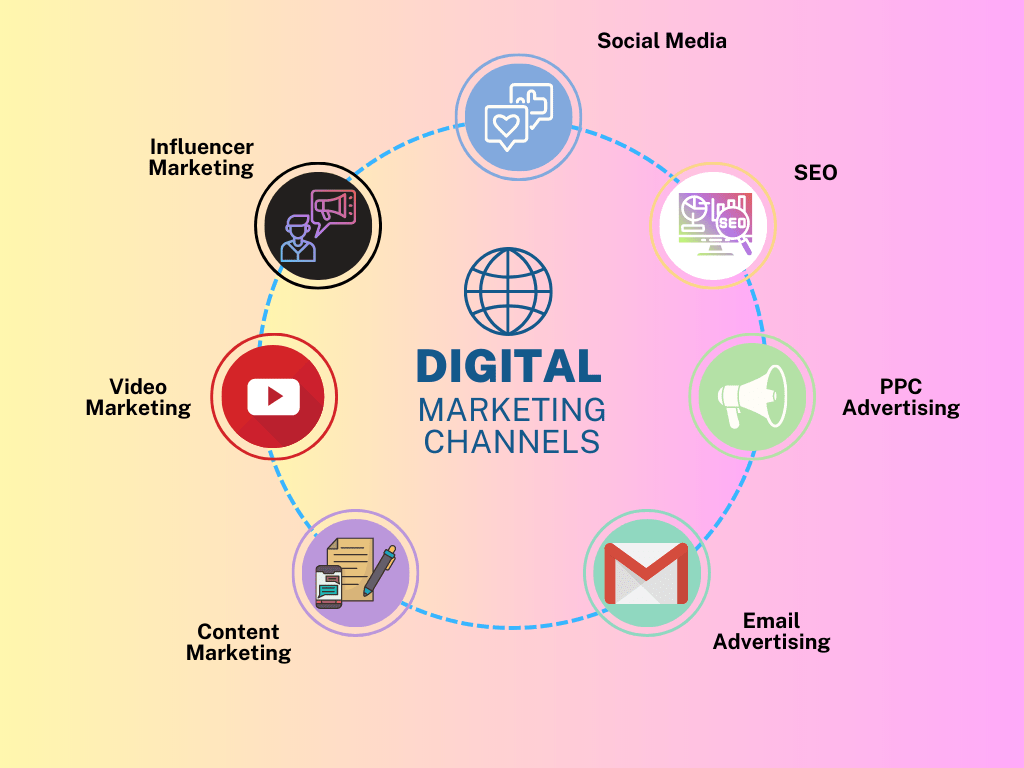
this shift is tied to the concept of the “Digital State.” By diversifying their communication channels, governments are creating a more resilient infrastructure for crisis management. During emergencies—such as wildfires or floods, which are increasingly common in the Mediterranean basin—the ability to send a WhatsApp alert is infinitely more effective than updating a website and hoping the press picks up the story.
However, this digital expansion also raises important questions about the “digital divide.” While the majority of the population is connected, there remains a segment of the elderly or economically disadvantaged who lack access to smartphones or high-speed data. To be truly inclusive, the government digital communication strategy must remain a supplement to, rather than a replacement for, traditional communication methods.
Transparency vs. Simplification: The Great Tension
One of the primary risks of moving government communication to social media is the tension between transparency and simplification. Government work is, by nature, complex. Laws are nuanced, and administrative procedures are often bogged down by legal requirements that cannot be easily summarized in a TikTok dance or a WhatsApp bullet point.
The risk is that “simplification” becomes “oversimplification,” leading to misunderstandings about eligibility for services or the specifics of a new regulation. To mitigate this, the Junta de Andalucía and similar bodies typically use social media as a “hook”—providing the most critical takeaway and then linking directly to the full, legal text on the official government portal.
This “hybrid” approach ensures that the administration meets the needs of the casual user while maintaining the legal rigor required for official government acts. It transforms social media into a sophisticated routing system, directing citizens to the appropriate official resources based on their specific needs.
Key Takeaways: The Evolution of Public Outreach
- Platform Diversification: Moving beyond websites to WhatsApp and TikTok to reach diverse age groups and demographics.
- Push vs. Pull: Shifting from expecting citizens to find information to delivering information directly to them.
- Privacy-Centric Reach: Using WhatsApp Channels to maintain citizen privacy while ensuring a secure, one-way flow of official truth.
- Humanizing Bureaucracy: Using short-form video to make government services more accessible and less intimidating for younger generations.
- Crisis Resilience: Building direct lines of communication that can be activated instantly during regional emergencies.
What Happens Next? The Future of GovTech
The current expansion into social media is likely only the first step. The next frontier for the Junta de Andalucía and other forward-thinking administrations will likely be the integration of Conversational AI. We are moving toward a future where a citizen won’t just follow a WhatsApp Channel, but will interact with an official government AI bot capable of processing requests, checking application statuses, and answering complex legal questions in natural language, all within the same chat interface.
As these technologies evolve, the metric of success for government communication will shift from “how many people saw the announcement” to “how many people successfully accessed the service.” The ultimate goal is a frictionless relationship between the citizen and the state, where technology removes the burden of bureaucracy.
The Junta de Andalucía’s current push to get citizens “inside” their digital ecosystem is a recognition that in the 21st century, the most powerful tool of governance is not the law itself, but the ability to communicate that law effectively to the people it serves.
The regional government is expected to continue updating its digital outreach guidelines as part of its ongoing administrative modernization plan. For the most current official updates, citizens are encouraged to visit the official Junta de Andalucía portal.
What do you think about governments using TikTok and WhatsApp to communicate? Does it make the state more accessible, or does it feel too informal? Let us know in the comments below.
Worth a look