
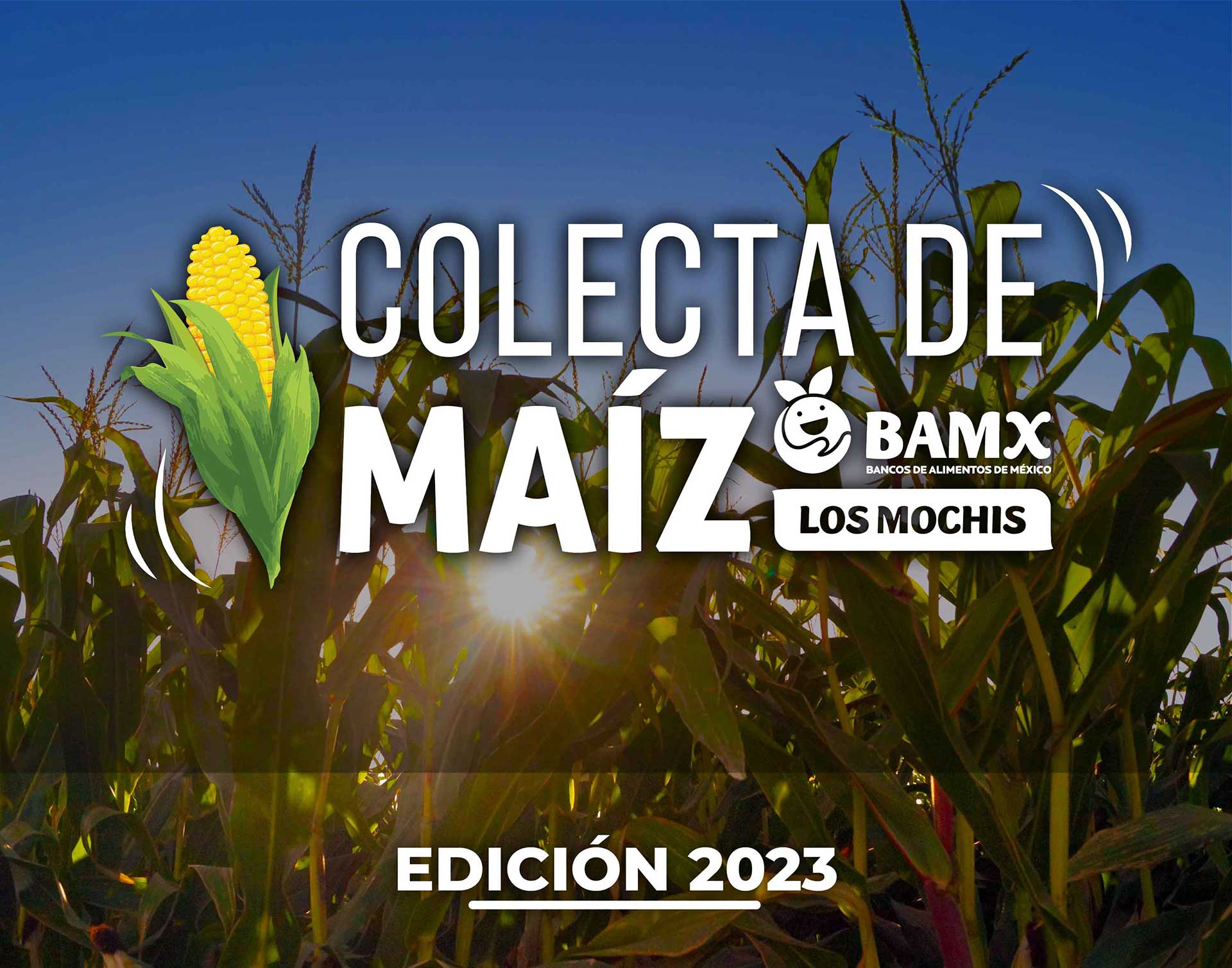
The agricultural heartland of Sinaloa is mobilizing once again to combat local hunger. In a strategic effort to leverage the region’s immense productive capacity, the Colecta de Maíz 2026 Los Mochis has been launched, calling upon the community to transform surplus harvests into a lifeline for the region’s most marginalized residents.
Organized by BAMX, the campaign seeks to bridge the gap between the abundance of the fields and the empty plates of vulnerable families. By inviting agricultural producers, corporate entities, and private citizens to contribute corn in kind, the initiative aims to secure a steady supply of a fundamental staple to stabilize food security across the Ahome region.
As a financial journalist with nearly two decades of experience analyzing global markets, I have often observed the “agricultural paradox”—where regions that produce the most food frequently struggle with internal food insecurity. The 2026 corn collection is not merely a charitable drive; It’s a targeted economic intervention designed to redistribute local resources to those who are priced out of the very markets they help supply.
Who Can Participate in the 2026 Corn Collection?
The campaign is structured to be inclusive, recognizing that the scale of the crisis requires a multi-sector response. The organizers have opened the doors for three primary groups to contribute to the effort:
- Agricultural Producers: Large-scale farmers and cooperatives who can donate a portion of their maize harvest.
- Corporate Entities: Agribusinesses and local companies looking to integrate social responsibility into their operational models.
- Private Citizens: Individuals within Los Mochis and the surrounding areas who wish to make smaller, in-kind donations.
By focusing on “in-kind” donations—specifically maize—the campaign ensures that the aid provided is culturally appropriate and nutritionally essential for the target population. This approach reduces the logistical overhead associated with purchasing food from third-party vendors and instead creates a direct pipeline from the producer to the consumer.
The Economic Paradox: Food Insecurity in an Agricultural Hub
To understand why a campaign like the Colecta de Maíz 2026 is necessary in Los Mochis, one must examine the economic landscape of Sinaloa. Known as the “breadbasket of Mexico,” the region is a global powerhouse in the production of maize, tomatoes, and other vegetables. However, high production volumes do not always translate to local affordability.

Market volatility, the prioritization of export markets, and the rising cost of living often leave seasonal laborers and low-income families in a precarious position. When global commodity prices rise, the cost of basic staples can increase even in the areas where those staples are grown. This creates a systemic vulnerability where the people fueling the agricultural economy cannot afford its output.
Food banks like BAMX act as a critical buffer in this system. By collecting surpluses and diverting them to vulnerable populations, they mitigate the impact of price spikes and ensure that basic caloric needs are met regardless of market fluctuations. This redistribution is essential for maintaining social stability in high-production zones.
Incentivizing Generosity: Tax Deductibility and CSR
One of the most significant drivers for corporate participation in the 2026 campaign is the provision of tax-deductible receipts. From an economic perspective, this transforms a philanthropic act into a strategic financial decision for businesses.
In Mexico, donations made to authorized non-profit organizations (Donatarias Autorizadas) can be deducted from taxable income, provided they meet specific regulatory requirements. For agricultural companies, this means that the cost of the donated maize—and potentially the logistics of transporting it—can be used to offset tax liabilities. This alignment of social good and fiscal benefit is a cornerstone of modern Corporate Social Responsibility (CSR).
Beyond the tax benefits, companies participating in the Colecta de Maíz 2026 gain significant “social license” to operate. In an era where consumers and investors increasingly scrutinize the ethical footprint of agribusiness, demonstrating a commitment to local food security is a powerful tool for brand equity and community relations.
Logistics and Impact: From Field to Family
The success of an in-kind maize drive depends heavily on the efficiency of the supply chain. Maize is a bulk commodity that requires specific storage conditions to prevent spoilage and pest infestation. BAMX’s role extends beyond mere collection; it involves the management of storage, quality control, and the strategic distribution of the grain.

For the vulnerable families receiving this aid, the impact is immediate. Maize is the foundation of the Mexican diet, serving as the primary ingredient for tortillas and other essential foods. By securing a reliable source of corn, these families can allocate their limited financial resources toward other necessities, such as healthcare, education, and housing.
this model of local donation reduces the carbon footprint associated with food aid. Rather than transporting processed goods from distant urban centers, the campaign utilizes the existing infrastructure of Los Mochis, making the relief effort both environmentally sustainable and economically efficient.
Key Takeaways for Potential Donors
| Donor Type | Contribution Method | Primary Benefit |
|---|---|---|
| Farmers | In-kind Maize | Community support & resource redistribution |
| Companies | In-kind Maize / Logistics | Tax-deductible receipts & CSR enhancement |
| Citizens | Small-scale Maize donations | Direct impact on local food security |
As the 2026 campaign progresses, the focus will shift from collection to distribution. The effectiveness of the program will be measured not just by the tonnage of maize collected, but by the number of households that move from a state of food insecurity to one of stability.
The next confirmed checkpoint for the campaign will be the announcement of the total volume of donations collected and the subsequent rollout of the distribution schedule for the first quarter of the aid cycle. We will continue to monitor the progress of BAMX and the impact of these donations on the Ahome community.
Do you believe in-kind donations are the most effective way to combat local hunger, or should the focus shift toward systemic price controls in agricultural hubs? Share your thoughts in the comments below.