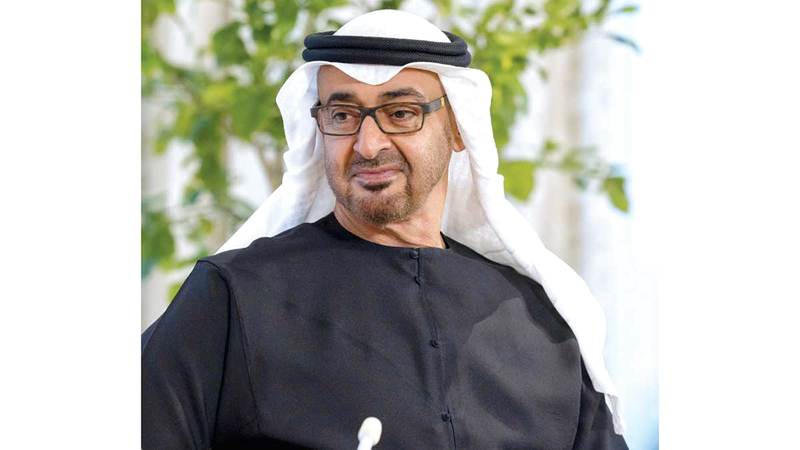
The diplomatic landscape of the Middle East is witnessing a significant realignment as the United Arab Emirates and Türkiye accelerate their transition from historical rivalry to a robust UAE-Türkiye strategic partnership. This evolution was further solidified this week through a high-level phone call between UAE President Mohamed bin Zayed Al Nahyan and Turkish President Recep Tayyip Erdoğan, alongside a high-profile delegation visit to Istanbul led by Sheikh Mansour bin Zayed Al Nahyan.
The discussions focused on a dual track of cooperation: the immediate necessity of regional stability and the long-term goal of economic integration. By aligning their security interests and leveraging a comprehensive trade framework, both nations are positioning themselves as central pillars of stability and economic growth in a volatile geopolitical environment.
At the heart of this rapprochement is a shared recognition that economic interdependence serves as the most effective hedge against regional volatility. The current trajectory suggests that the two nations are no longer merely managing a relationship, but are actively constructing a strategic axis designed to maximize mutual influence in trade, technology and defense.
This diplomatic surge comes at a critical juncture for the region, where the shift toward “de-escalation” has become the primary objective for major powers. For the UAE and Türkiye, this means moving beyond the frictions of the past decade to embrace a pragmatic partnership that benefits their respective domestic economies and international standing.
Diplomatic Alignment and Regional Security
The recent telephone conversation between President Mohamed bin Zayed and President Recep Tayyip Erdoğan served as a critical mechanism for synchronizing the two countries’ approaches to regional crises. According to official communications, the leaders discussed the latest developments in the Middle East, emphasizing the need for coordinated efforts to prevent further escalation in regional conflicts.
A key pillar of this dialogue was the commitment to mutual security. President Erdoğan reaffirmed Türkiye’s support for the security and stability of the UAE, a signal that the security partnership has moved beyond formal rhetoric into actionable cooperation. This alignment is particularly significant given the complex security architecture of the Gulf, where Türkiye’s growing presence is seen as a complementary force to existing regional arrangements.
The synergy between Abu Dhabi and Ankara is not limited to security. The leaders explored ways to enhance political coordination on a global scale, seeking common ground on issues ranging from energy security to the management of migration and humanitarian aid. This high-level synchronization ensures that when the UAE and Türkiye engage with other global powers, they do so from a position of shared strategic understanding.
The Economic Engine: Impact of the CEPA Agreement
While diplomatic calls set the tone, the Comprehensive Economic Partnership Agreement (CEPA) provides the structural framework for the relationship. Since entering into force in September 2023, the CEPA has acted as a catalyst for a surge in non-oil trade, removing tariffs on a vast majority of goods and streamlining customs procedures to encourage cross-border investment.
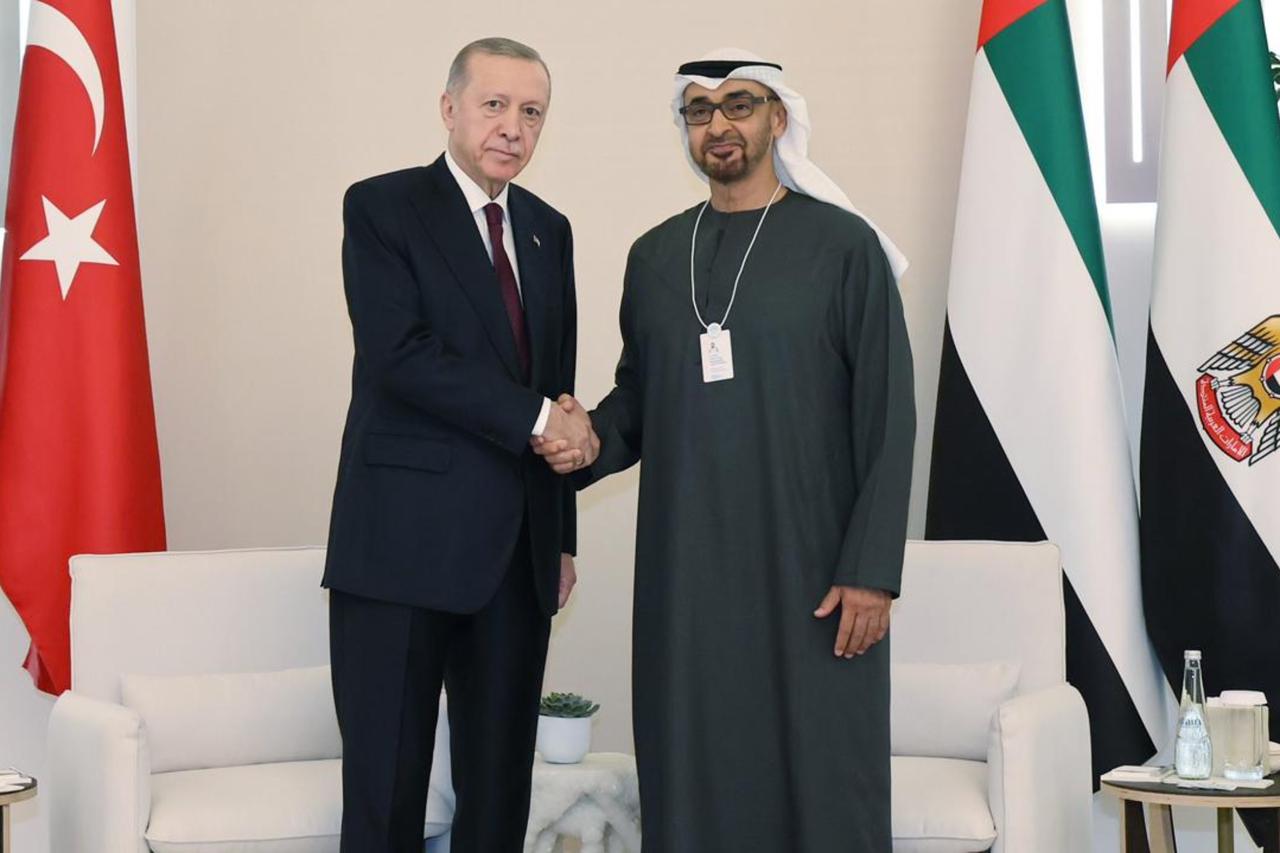
The economic impact has been immediate and substantial. The agreement has allowed Emirati and Turkish firms to penetrate new markets with reduced overhead, sparking growth in sectors such as logistics, renewable energy, and advanced manufacturing. The focus has shifted toward “high-value” trade, moving away from simple commodity exchange toward the export of services, technology, and intellectual property.
Investment flows have also seen a marked increase, with Turkish companies seeking a gateway into the wider GCC market via the UAE, while Emirati sovereign wealth funds and private investors have identified Türkiye as a prime destination for infrastructure and industrial diversification. This bidirectional flow of capital is a cornerstone of the strategic partnership, ensuring that the relationship is anchored in tangible financial interests.
Sheikh Mansour’s Delegation and Industrial Synergy
The arrival of Sheikh Mansour bin Zayed Al Nahyan in Türkiye, leading a high-level Emirati delegation, underscores the operational phase of this partnership. The visit was designed to move beyond policy discussions and into the implementation of specific business MoUs and investment projects.
The delegation, comprising business leaders and representatives from various sectors, focused on several critical areas of cooperation:
- Technology and Artificial Intelligence: Exploring joint ventures in AI development and digital transformation to modernize government services and industrial processes.
- Energy and Sustainability: Coordinating on renewable energy projects, particularly in solar and hydrogen technology, to align with both nations’ net-zero ambitions.
- Food Security and Agriculture: Leveraging Türkiye’s agricultural capacity and the UAE’s investment capabilities to build more resilient food supply chains.
- Aviation and Logistics: Enhancing the connectivity between the two hubs to facilitate faster trade movement and tourism growth.
The presence of a high-level delegation indicates that the UAE views Türkiye not just as a trading partner, but as a strategic industrial ally. By integrating their supply chains, both countries reduce their reliance on distant markets and create a more self-sufficient regional economic bloc.
What This Means for Regional Geopolitics
The deepening UAE-Türkiye bond is a signal to the rest of the world that the era of ideological confrontation in the Middle East is giving way to an era of pragmatic cooperation. For years, the two nations were on opposite sides of several regional disputes; today, they are coordinating their foreign policies to ensure that neither is marginalized in the shifting global order.
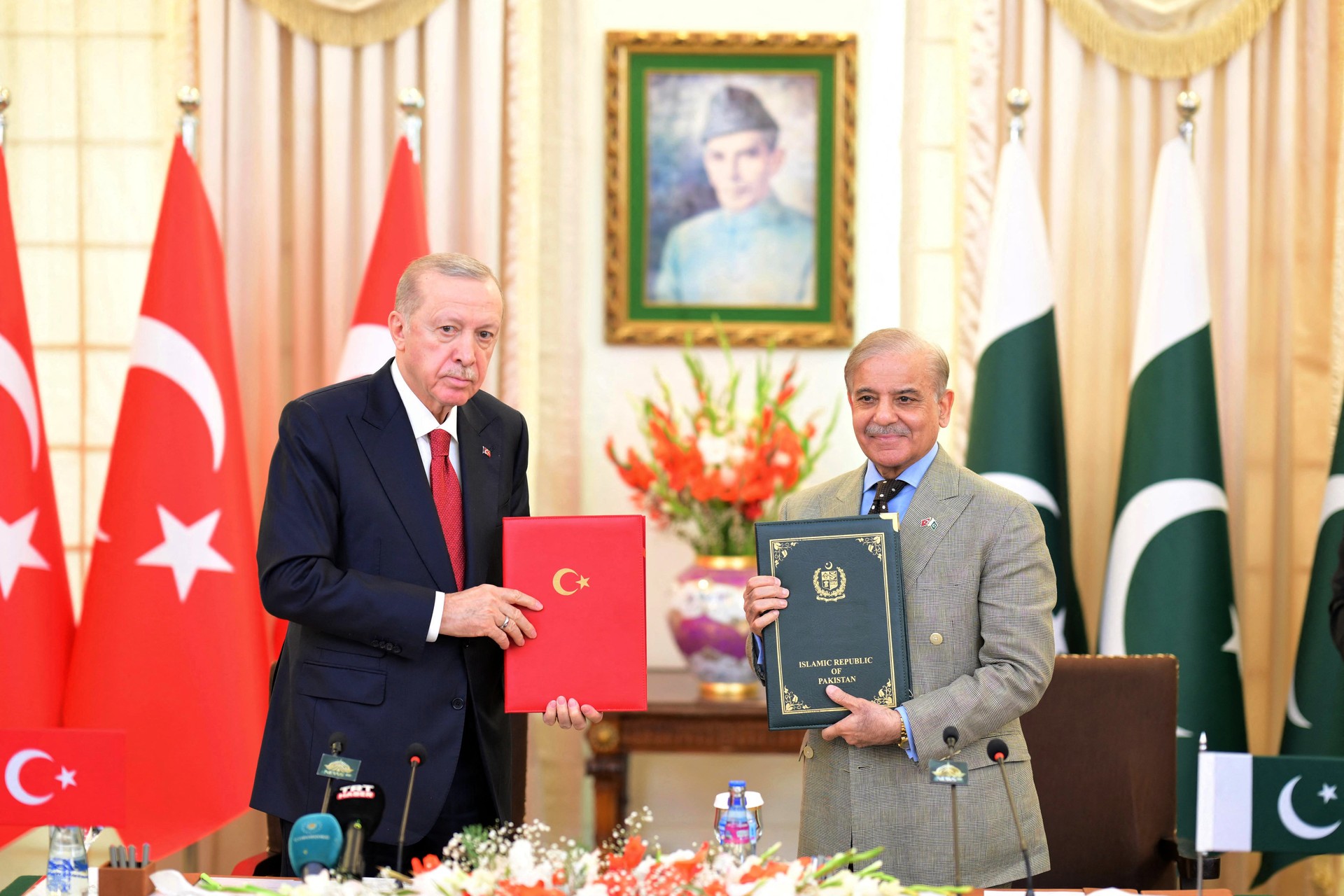
For the global investor, this partnership reduces the “political risk” associated with operating in the region. When two major regional powers align, it creates a more predictable environment for foreign direct investment (FDI) and infrastructure development. The UAE-Türkiye axis effectively creates a bridge between the Gulf’s capital and Türkiye’s industrial and geographic advantages.
this partnership influences the broader dynamics of the “Global South.” As both nations strengthen their ties with emerging economies in Asia and Africa, their coordinated approach allows them to exert greater collective influence in international forums, advocating for a multipolar world where regional powers have a greater say in their own security and economic destiny.
Key Takeaways of the Strategic Realignment
- Diplomatic Synergy: Regular high-level communication between Presidents Mohamed bin Zayed and Recep Tayyip Erdoğan ensures policy alignment on regional security.
- Trade Acceleration: The CEPA agreement has fundamentally changed the trade dynamic, prioritizing non-oil exports and tariff-free movement of goods.
- Investment Diversification: High-level visits, such as that of Sheikh Mansour, are translating diplomatic goodwill into concrete investments in AI, energy, and agriculture.
- Security Guarantee: Türkiye’s explicit support for UAE security marks a significant shift in the regional defense paradigm.
As the UAE and Türkiye continue to implement the provisions of the CEPA and coordinate their diplomatic efforts, the focus will likely shift toward institutionalizing these gains. The goal is to move from a series of successful agreements to a permanent state of strategic interdependence.
The next confirmed checkpoint for this partnership will be the upcoming quarterly review of the CEPA implementation committee, where officials from both the UAE Ministry of Economy and the Turkish Ministry of Trade will assess trade volume growth and address any remaining regulatory bottlenecks.
Do you believe the UAE-Türkiye partnership will lead to a broader era of stability in the Middle East? Share your thoughts in the comments below or share this analysis with your network.
Related reading