
Navigating the complexities of automotive ownership in Central America requires more than just a reliable vehicle; it necessitates a strategic approach to risk management. In El Salvador, where road conditions and urban congestion can create unpredictable environments for drivers, the transition from basic liability coverage to comprehensive protection has become a focal point for vehicle owners seeking long-term financial stability.
The concept of “Seguro Auto Completo,” or full auto insurance, is designed to address the inherent volatility of the road. Rather than merely satisfying legal mandates, comprehensive policies aim to shield the policyholder from the significant financial shocks associated with theft, accidental damage, and third-party liabilities. For many residents and business operators in El Salvador, this level of coverage is not merely an added luxury but a critical component of asset protection.
Among the providers facilitating these protections is CRS Seguros El Salvador, which promotes the “Seguro Auto Completo” as a means to ensure that every destination can be enjoyed with peace of mind. By focusing on the “imprevistos”—the unforeseen events that can abruptly alter a driver’s financial trajectory—the service emphasizes the necessity of being prepared for scenarios that fall outside the scope of standard mandatory insurance.
Understanding the Mechanics of Seguro Auto Completo
A comprehensive auto policy in El Salvador typically extends far beyond the basic requirements of the law. While the primary goal of any insurance product is risk transfer, the “Completo” designation generally implies a broader spectrum of coverage. This typically includes protection against collision damage, fire, and theft, as well as liability coverage for damages caused to third parties.
From a financial perspective, the value of a full policy lies in its ability to mitigate “total loss” scenarios. In a market where vehicle replacement costs can be high and financing terms rigorous, the loss of a vehicle without comprehensive insurance can lead to severe economic distress. By transferring this risk to an insurer, vehicle owners can maintain their mobility and financial liquidity even after a major incident.
The strategic advantage of these policies often includes ancillary services that are vital in a fast-paced urban environment. These may include roadside assistance, towing services, and legal support, which reduce the immediate logistical burden on the driver during an emergency.
The Regulatory Landscape of Insurance in El Salvador
The insurance sector in El Salvador operates under a structured regulatory framework designed to protect consumers and ensure the solvency of insurance providers. The primary oversight body is the Superintendencia del Sistema Financiero (SSF), which regulates all financial institutions, including insurance companies and brokers.
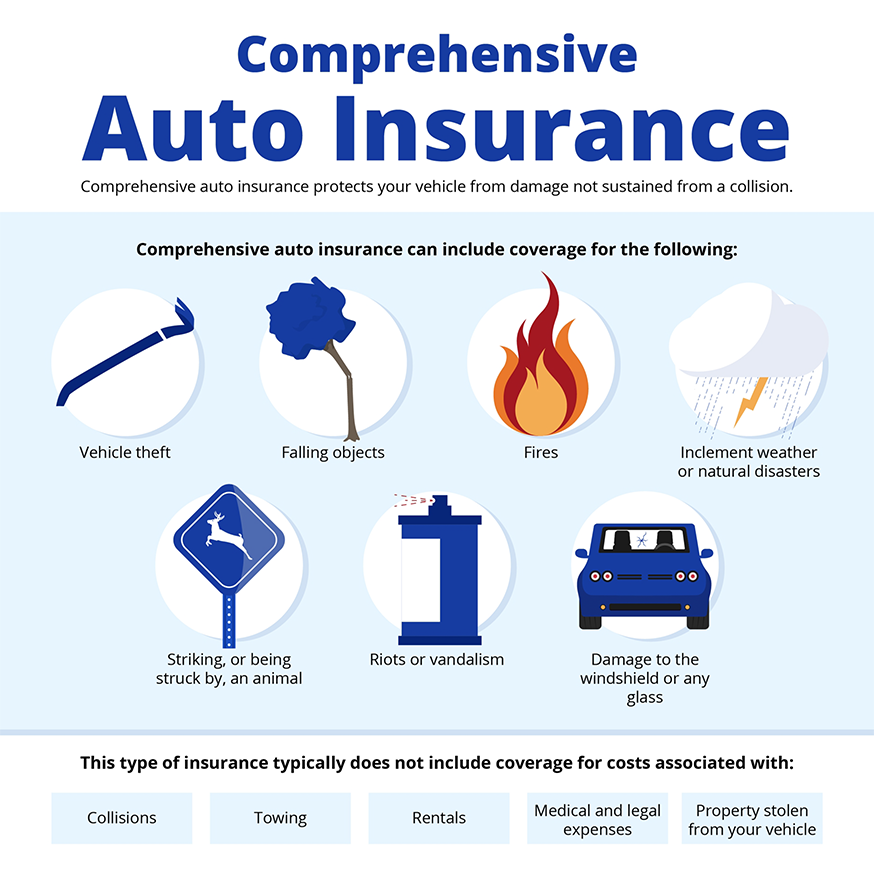
The SSF ensures that policies are transparent and that companies maintain sufficient reserves to meet their obligations to policyholders. For consumers, this means that when selecting a provider like CRS Seguros, they are interacting with a market that is subject to official oversight, which is essential for verifying the legitimacy of claims processes and the validity of coverage limits.
Understanding the distinction between mandatory and optional insurance is crucial for any driver in the region. While third-party liability is often the minimum legal requirement to operate a vehicle, the SSF’s regulatory environment allows for the proliferation of comprehensive products that provide the deeper layers of protection found in “Seguro Auto Completo” plans.
Strategic Implications for Vehicle Owners
For the global professional or the local entrepreneur, the decision to invest in comprehensive insurance is a matter of economic prudence. The cost of premiums is weighed against the potential for catastrophic loss. In the context of El Salvador’s current economic landscape, where vehicle assets often represent a significant portion of an individual’s or a small business’s net worth, the “insurance gap”—the difference between what is legally required and what is actually needed for full protection—can be a dangerous vulnerability.
Key considerations for those evaluating comprehensive coverage include:
- Deductibles: The amount the policyholder must pay out-of-pocket before the insurance coverage kicks in. Lower deductibles typically result in higher monthly premiums.
- Coverage Limits: The maximum amount the insurer will pay for a specific type of claim, particularly regarding third-party property damage or bodily injury.
- Exclusions: Specific scenarios—such as wear and tear or unauthorized vehicle use—that are not covered under the “Completo” umbrella.
By addressing these variables, drivers can tailor their coverage to their specific risk profile, whether they are commuting within San Salvador or transporting goods across the country.
Key Takeaways for Drivers in El Salvador
- Beyond Compliance: “Seguro Auto Completo” provides protection against theft and collision, which are not covered by basic liability insurance.
- Risk Mitigation: Comprehensive policies protect the policyholder from the total loss of a vehicle asset.
- Regulatory Safety: The Superintendencia del Sistema Financiero provides the necessary oversight to ensure insurance providers operate legitimately.
- Asset Protection: For business owners, full insurance is a critical tool for maintaining operational continuity.
As the automotive market in El Salvador continues to evolve, the emphasis on comprehensive protection is likely to grow. The ability to navigate “imprevistos” with a structured financial safety net allows for greater confidence in mobility and investment.
For those seeking to update their coverage or explore the specifics of comprehensive plans, the next step is typically a consultation with a licensed broker to align policy limits with current vehicle valuations. Interested parties are encouraged to review their current policies against the latest guidelines provided by the SSF to ensure there are no gaps in protection.
Do you believe comprehensive insurance is a necessity or a luxury in today’s economic climate? Share your thoughts in the comments below or share this analysis with your professional network.
Related reading