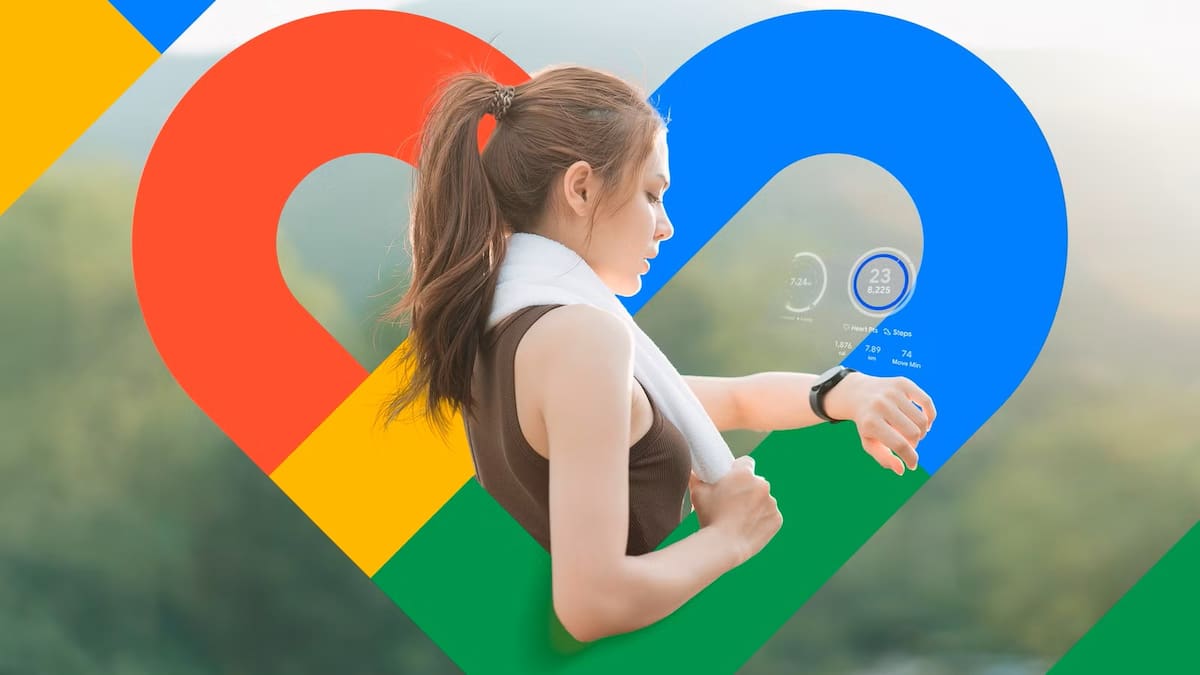
Google is pivoting toward a more discreet approach to wearable technology with the introduction of the Fitbit Air, a screenless health tracker designed for users who prioritize continuous monitoring over constant notifications. Announced on May 7, 2026, the device represents a strategic move toward “invisible” tech—wearables that integrate seamlessly into a user’s life without the digital distractions of a traditional smartwatch.
The Fitbit Air is positioned as the smallest and most affordable tracker in the lineup, focusing on a “pebble” design that emphasizes comfort for 24/7 wear. By removing the screen, Google is betting that users are increasingly interested in deep, longitudinal health data rather than real-time alerts on their wrists. This shift allows the device to remain lightweight and unobtrusive, acting as a silent data collector that syncs directly with a centralized health hub.
According to Andy Abramson, Head of Product for Google Health, the device is engineered to deliver the company’s most in-depth health insights to date. By leveraging a streamlined form factor, the Fitbit Air focuses on the core pillars of wellness: heart rate, sleep quality, and activity levels, all managed through the Google Health app.
Prioritizing Comfort and Focus: The Screenless Design
The most striking feature of the Fitbit Air is its lack of a display. In an era where “notification fatigue” has become a common complaint among smartwatch users, Google is offering a sanctuary from the screen. The device is described as a “tiny, affordable tracker” that stays out of the user’s way, reducing the cognitive load associated with constant wrist-based interruptions.
This design choice is not merely aesthetic; it serves a functional purpose for 24/7 health monitoring. Without the bulk of a screen and its associated battery requirements, the Fitbit Air can be worn more comfortably during sleep and high-intensity activities. The device is designed to be a “screenless pebble,” a form factor that allows it to blend into various styles through a variety of available bands.
From a technical perspective, the removal of the display allows for a more optimized power profile. Google states that the Fitbit Air offers up to a week of battery life, ensuring that users do not have to break their data streaks for frequent charging. To further minimize downtime, the device also supports fast charging, catering to users with demanding schedules.
Deep Health Insights via the Google Health App
While the hardware is minimalist, the software ecosystem supporting the Fitbit Air is expansive. The device pairs exclusively with the Google Health app, which serves as the primary interface for all biometric data. This architecture shifts the intelligence of the wearable from the wrist to the smartphone, where more complex data visualization and AI-driven analysis can occur.

The Fitbit Air tracks several critical health metrics, including:
- Heart Rate Monitoring: Continuous tracking to provide a baseline for cardiovascular health and stress levels.
- Sleep Tracking: In-depth analysis of sleep stages and quality to help users optimize their recovery.
- Fitness and Activity: Automatic workout detection that identifies physical activity without requiring the user to manually start a session.
By automating workout detection, Google aims to lower the friction of health tracking. Users no longer need to interact with the device to record a walk or a gym session; the Fitbit Air identifies the activity and syncs the results seamlessly to the app. This “set it and forget it” philosophy is central to the device’s appeal for those who find traditional fitness trackers too demanding to maintain.
Pricing and Accessibility: Breaking the Entry Barrier
Google is positioning the Fitbit Air as an accessible entry point into the Google Health ecosystem. The device is available for pre-order starting at $99.99, making it one of the most competitively priced offerings in the premium health-tracking space.
To encourage users to explore more advanced analytics, the purchase price includes a three-month trial of Google Health Premium. This subscription service typically provides personalized advice and deeper insights based on the data collected by the wearable, bridging the gap between raw data and actionable health guidance.
This pricing strategy suggests that Google is looking to expand its user base by attracting those who may have been deterred by the high cost of full-featured smartwatches but still desire high-quality health metrics. By combining a low hardware cost with a trial of its premium software, Google is creating a pipeline for users to enter its health ecosystem and potentially upgrade to paid services over time.
What This Means for the Wearable Market
The launch of the Fitbit Air signals a growing trend toward “ambient sensing”—technology that monitors our environment and biology without requiring active engagement. As consumers become more conscious of their screen time, the demand for devices that provide value without adding to digital noise is likely to increase.
For the professional health community and enthusiasts, the focus on 24/7 monitoring is key. The most valuable health data often comes from the “quiet” moments—resting heart rate during deep sleep or heart rate variability throughout a workday—rather than just the peaks of a workout. By optimizing for comfort and battery life, the Fitbit Air is better positioned to capture this continuous stream of data than bulkier alternatives.
The integration with the Google Health app also suggests a broader vision for a unified health profile. As Google continues to integrate AI into its products, the data from the Fitbit Air will likely serve as a foundation for more predictive health alerts and personalized wellness coaching, moving the industry from reactive tracking to proactive health management.
The next confirmed step for interested users is the pre-order phase, which is currently active. Further updates regarding shipping dates and the full rollout of the Google Health app integration are expected as the launch date approaches.
Do you prefer a screenless experience for your health data, or is a wrist-based display essential for your routine? Share your thoughts in the comments below.
Related reading
- Twitch Automatically Opts Creators Into Amazon AI Training Program
- Apple Closing Basingstoke Store as Redesigned Reading Store Reopens in UK
- FDA Approves Groundbreaking mRNA Vaccine Booster for Adults 50+, Boosting Immunity and Protecting Against Chronic Health Risks (archyworldys.com)
- The Future of Health Insurance Coverage and Healthcare Standards (world-today-news.com)