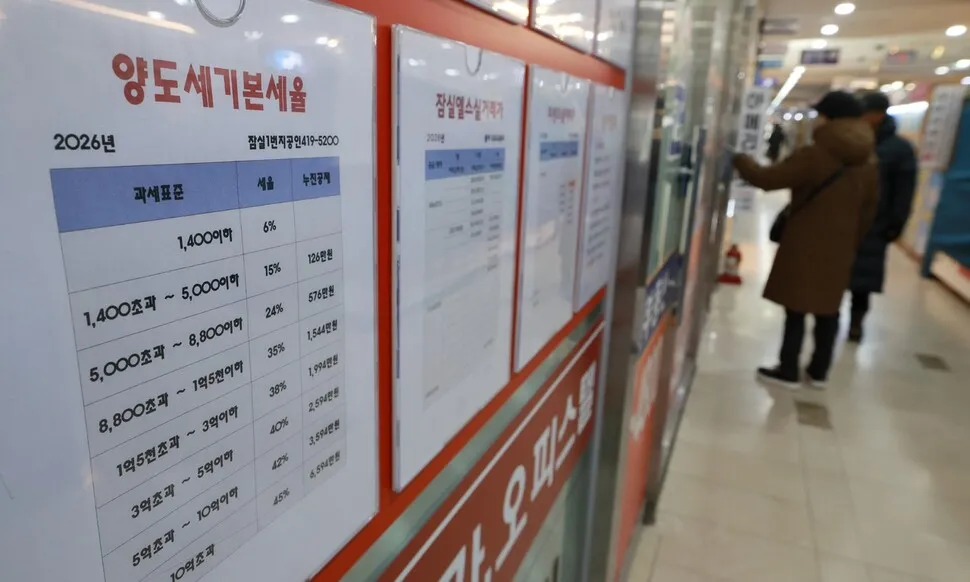
South Korea has officially reinstated heavy capital gains taxes for multi-home owners in designated “adjustment target areas” as of May 10, 2026. The move ends a four-year period of temporary suspension and marks a significant shift in the government’s approach to stabilizing the national housing market.
The policy applies to all of Seoul and 12 specific regions within Gyeonggi province. By removing the previous deferments, the administration is effectively increasing the tax burden on those holding multiple properties in the country’s most competitive real estate hubs, a strategy intended to curb speculative investment and encourage the release of housing inventory.
The reinstatement follows a formal announcement made by President Lee Jae-myung on January 23, 2026, signaling the end of the grace period. The resulting window between that announcement and the May 10 deadline triggered a wave of “tax-saving sales,” as property owners rushed to offload assets before the higher rates took effect.
Breaking Down the New Tax Structure
Under the reinstated system, the tax burden is calculated by adding a heavy surcharge to the standard capital gains tax rates, which typically range from 6% to 45%. The amount of the surcharge depends on the number of residential properties an individual owns within the adjustment target areas.

For owners of two homes, the government applies a surcharge of 20 percentage points on top of the basic rate. For those owning three or more homes, the surcharge increases to 30 percentage points. When the 10% local income tax is factored into the total, the effective tax rate for owners of three or more properties can reach a maximum of 82.5%.
This steep increase means that for high-value properties, the majority of the profit from a sale will be absorbed by the state, significantly reducing the incentive for multi-home owners to sell their properties in the short term.
Tax Rate Comparison Table
| Ownership Status | Base Rate Range | Surcharge | Max Rate (Incl. Local Tax) |
|---|---|---|---|
| Single Home Owner | 6% – 45% | 0% | ~49.5% |
| Two-Home Owner | 6% – 45% | +20% | ~71.5% |
| Three+ Home Owner | 6% – 45% | +30% | 82.5% |
Market Volatility and the ‘Tax-Saving’ Rush
The announcement of the tax reinstatement in January created an immediate ripple effect across the Seoul metropolitan area. Because the government provided a relatively short window—approximately 100 days—for owners to reorganize their portfolios, the market saw a surge in listings as owners sought to avoid the heavy surcharges.
This influx of “tax-saving sales” reached a peak in mid-March, with the number of available apartments in Seoul exceeding 80,000 units. This sudden increase in supply had a cooling effect on the market, leading to a slowdown in the general rise of Seoul apartment prices and triggering actual price declines in the highly coveted “Gangnam Three” districts.
While the government viewed this initial surge as a positive step toward increasing market liquidity, analysts warn that this trend may be temporary. The primary concern now is the emergence of a “supply drought.” With the 82.5% maximum rate now in effect, many multi-home owners are expected to pivot from selling to “holding out” or transferring properties via gifts to family members to avoid the tax hit.
Strategic Implications for Property Owners
The return of heavy taxation places multi-home owners in a difficult position. Those who did not sell before the May 10 deadline now face a substantial financial penalty for liquidating their assets. This often leads to a phenomenon where owners refuse to lower prices despite low demand, as the tax burden makes a lower sale price financially unviable.
For prospective buyers, the “supply drought” could mean fewer options in premium areas of Seoul and Gyeonggi province. While the initial rush of sales provided a brief window of opportunity and price stabilization, the long-term effect of heavy taxation often results in a frozen market where inventory disappears, potentially driving up prices for the remaining available stock.
To navigate these changes, owners are encouraged to consult the National Tax Service of Korea for precise filings and to verify if their specific properties fall within the current boundaries of the adjustment target areas.
Looking Ahead: The July Tax Reform
The current market anxiety is expected to persist until the government releases its broader tax reform plan in July. Experts suggest that the July announcement will be the true “watershed moment” for the housing market, as it may contain complementary measures to encourage owners to release their properties despite the heavy surcharges.
The government has already indicated It’s preparing various supplementary measures to prevent a total freeze in supply. Whether these measures will be sufficient to offset the deterrent of an 82.5% tax rate remains the central question for investors and homeowners alike.
The next confirmed checkpoint for the market will be the official release of the July tax reform plan, which will dictate the trajectory of real estate prices and supply levels for the remainder of 2026.
Do you think heavy taxation is an effective tool for stabilizing housing prices, or does it inadvertently create supply shortages? Share your thoughts in the comments below.
Keep reading