
The modern smartphone is a marvel of engineering, yet for many of us, it has become a source of involuntary habit. We reach for our devices not because we have a specific task to accomplish, but as a reflexive response to boredom or stress. This cycle of “doomscrolling” often leaves users feeling drained and unproductive, leading to a growing demand for screen time apps that do more than just track minutes spent on a screen.
Breaking these digital habits requires more than a simple notification or a hard lockout. It requires a fundamental shift in how we interact with our interfaces. This is the core philosophy behind the work of independent developer Florian Schimanke, who has developed a suite of tools designed to introduce “friction” into the user experience, forcing a moment of mindfulness before a distracting app is opened.
The centerpiece of this approach is the “Before You” bundle, a collection of four specialized apps that tackle digital distraction from multiple angles. Rather than relying on restrictive bans, Schimanke’s tools leverage behavioral psychology to help users reclaim their attention and reduce their daily screen time through conscious choice.
The Psychology of Friction: How ‘Before You’ Works
From a software engineering perspective, most social media and entertainment apps are designed to be “frictionless.” The goal of the developer is to remove every possible barrier between the user and the content. This creates a seamless loop where the transition from a lock screen to a feed happens in milliseconds, often before the conscious mind can intervene.
The flagship app, Before You, disrupts this loop by intentionally introducing a delay. By utilizing iOS Shortcuts and automation, the app intercepts the attempt to open a distracting application. Instead of the app launching immediately, the user is presented with a screen that encourages them to take a deep breath or pause for a few seconds.
This brief interruption acts as a “pattern interrupt.” In behavioral psychology, this is a technique used to break a subconscious habit by inserting a conscious step into the process. By forcing the user to acknowledge their intent to open the app, “Before You” shifts the action from a reflexive impulse to a deliberate decision. For many, this short window is enough to realize that they don’t actually need to check the app, leading them to close it and return to their primary task.
Exploring the Before You Bundle
While the “Before You” app provides the immediate intervention, the full bundle offers a more comprehensive ecosystem for digital wellbeing. Schimanke has designed these four apps to work in tandem, addressing different stages of the smartphone addiction cycle.
The bundle includes the core “Before You” app alongside three complementary utilities: Screen Time, Focus, and Minimalist. Together, these tools provide a tiered strategy for managing device usage:
- Intervention: “Before You” stops the impulse at the point of entry.
- Awareness: The Screen Time utility provides deeper insights into where time is being lost, moving beyond the basic metrics provided by the operating system.
- Environment: The Minimalist and Focus tools help strip away the visual cues (such as bright, colorful icons) that trigger the urge to click.
By offering these as a bundle, the developer provides a discounted pathway for users to implement a full system of digital discipline. The synergy between these apps allows a user to not only stop the habit in the moment but to also redesign their digital environment to prevent the habit from forming in the first place.
Why Mindful Tech Consumption Matters Now
The rise of the “digital detox” movement is not merely a trend but a response to the documented impact of excessive screen time on mental health. The constant stream of notifications and the infinite scroll of algorithmic feeds are designed to trigger dopamine releases, which can lead to decreased attention spans and increased anxiety.
For professionals and students, the cost of this distraction is measured in “context switching” costs. Every time a user is pulled away from a deep-work task by a reflexive check of a smartphone, it can take significant time and mental energy to return to the original level of focus. By implementing tools that reduce these interruptions, users can protect their cognitive load and improve their overall productivity.
the shift toward “mindful tech” represents a move away from the “all-or-nothing” approach to digital wellbeing. Many users find that completely deleting social media apps is unsustainable in a professional or social context. The “friction” model provides a middle ground: the apps remain available for legitimate use, but the path to using them is no longer invisible and automatic.
Implementing a Digital Wellbeing Strategy
For those looking to reduce their screen time, the most effective approach is often a combination of technical barriers and habit tracking. Using a tool like the “Before You” bundle is a strong start, but it works best when paired with a clear set of personal boundaries.
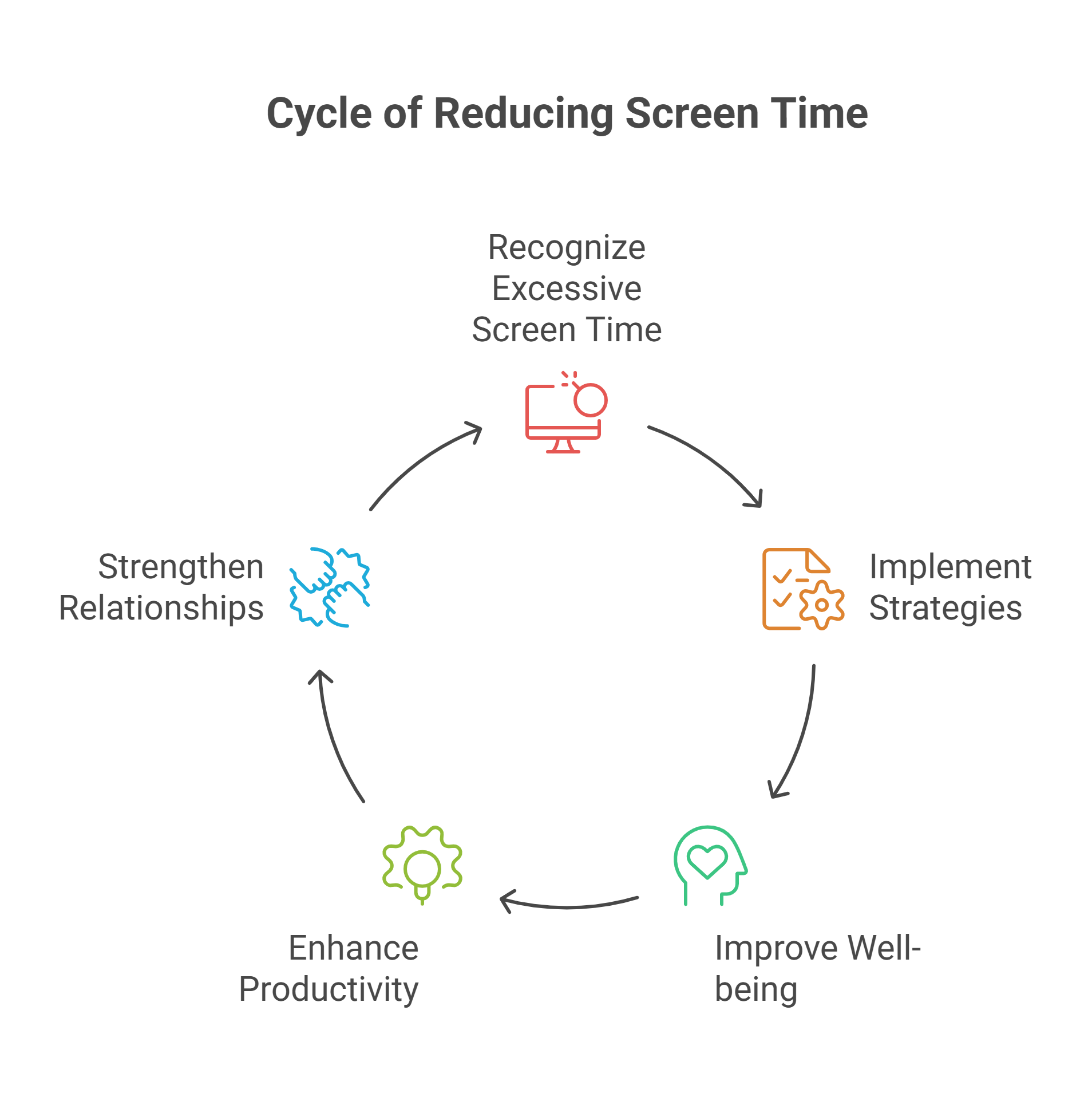
Experts in digital wellness suggest establishing “tech-free zones”—such as the dining table or the bedroom—and “tech-free times,” such as the first hour after waking up. When these boundaries are supported by apps that prevent impulsive lapses, the likelihood of long-term success increases significantly.
Whether you are a software developer looking to optimize your deep-work hours or someone simply feeling overwhelmed by the noise of the digital age, the goal is the same: moving from a state of passive consumption to one of intentional usage.
As app stores continue to evolve, we can expect to see more indie developers experimenting with these behavioral interventions. The success of friction-based tools suggests that users are no longer looking for a “better” way to use their phones, but a way to use them less.
With no official update date set for the next version of the bundle, users are encouraged to monitor the App Store for the latest feature enhancements from Florian Schimanke. We welcome your thoughts on your digital wellbeing journey—do you prefer hard limits or mindful friction? Share your experiences in the comments below.
Keep reading