
The intersection of historical defiance and theatrical brilliance is taking center stage in Madrid with the production of La monja alférez Juan Ruiz de Alarcón. Staged at the intimate Teatro Círculo, this production breathes new life into a cornerstone of the Spanish Golden Age, blending the rigid social hierarchies of the 17th century with a narrative of identity and rebellion that feels strikingly modern to contemporary audiences.
Directed by Daniel Alonso de Santos, the play explores the extraordinary life of Catalina de Erauso, a woman who famously rejected the confines of the convent to carve out a legacy as a soldier in the Americas. By revisiting this narrative, Teatro Círculo offers more than a mere period piece. it provides a psychological study of a woman navigating a world where the only path to freedom was through a daring and dangerous disguise.
For those following the evolution of global performing arts, the revival of such works highlights a growing interest in the “Siglo de Oro” (Spanish Golden Age) as a lens through which to examine gender roles and societal expectations. The production’s commitment to authenticity, paired with a cast capable of handling Alarcón’s intricate dialogue, makes this a significant event for the Madrid theater scene.
The Legacy of Juan Ruiz de Alarcón and the Siglo de Oro
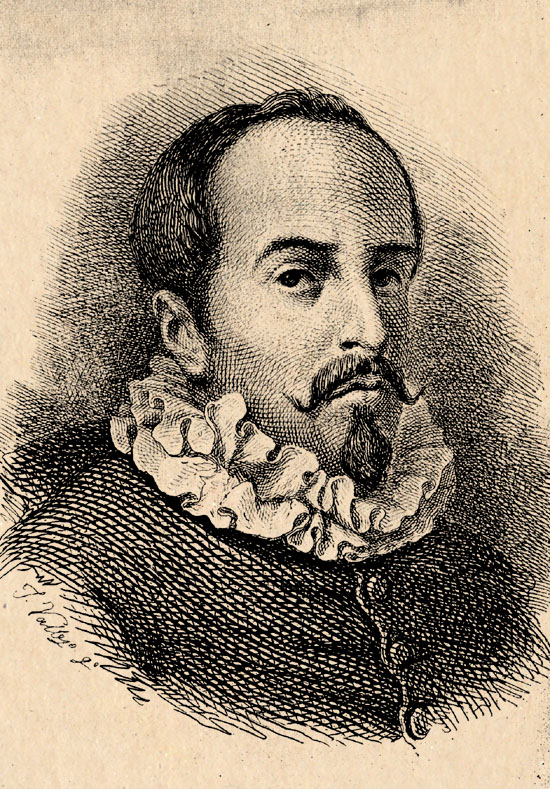
To understand the weight of La monja alférez, one must first understand its creator. Juan Ruiz de Alarcón (1581–1639) was a pivotal figure in the Spanish Golden Age, a period of flourishing arts and literature that mirrored Spain’s global dominance. Unlike some of his contemporaries who focused on lavish spectacle, Alarcón was renowned for his “comedias de caracteres”—plays focused on the psychological depth and moral failings of his characters.
Alarcón’s work often served as a critique of social pretension and the rigidity of class structures. In La monja alférez, he utilizes the trope of gender reversal not merely for comedic effect, but to question the inherent nature of “femininity” and “masculinity” as defined by the state and the church. The play challenges the audience to consider whether virtue and bravery are tied to gender or to the individual spirit.
The Spanish Golden Age remains a vital area of study for historians and dramatists alike, as it established the foundations of modern Western drama. The enduring popularity of Alarcón’s plays in modern Madrid suggests that the tensions between individual desire and social duty are as relevant today as they were four centuries ago.
The True Story: Catalina de Erauso, the Nun Alférez
The theatrical narrative is grounded in the astonishing real-life history of Catalina de Erauso. Born in the Basque Country, Erauso escaped her convent at a young age, dressing in men’s clothing and traveling to the New World. Her life in the Americas was a whirlwind of military service, sword fights, and adventure, during which she served as an alférez (an ensign or lieutenant) in the Spanish army.
Erauso’s ability to maintain her disguise for years—even while engaging in the most hyper-masculine activities of the era—became a sensation upon her return to Europe. Her life was not without controversy; she was known for her temper and her penchant for gambling, yet she eventually secured a royal pardon and an audience with the Pope, who granted her permission to continue living as a man.
This historical precedent provides the play with a layer of authenticity that elevates it beyond fiction. The production at Teatro Círculo leverages this history to explore the concept of the “social mask,” illustrating how Erauso’s physical disguise allowed her to access a level of agency and authority that would have been legally and socially impossible for a woman of her time.
Production Highlights at Teatro Círculo
The current staging at Teatro Círculo is characterized by a focused, character-driven approach. Under the direction of Daniel Alonso de Santos, the production avoids the trap of over-stylization, instead opting for a grounded interpretation that emphasizes the emotional stakes of Erauso’s journey.
The cast brings a necessary dynamism to the production, with María Fontanals leading the ensemble. The performance requires a delicate balance: the actress must convincingly portray a woman playing a man, without losing the underlying vulnerability of the character. Supporting performances by Sandra Gumuzzio, Gerardo Gudiño, and Eva Cristina provide the necessary social friction, representing the societal pressures and familial expectations that Erauso fought so hard to escape.
The set design at Teatro Círculo complements the narrative by creating a sense of confinement that gradually opens up, mirroring Erauso’s own liberation. The use of space emphasizes the contrast between the claustrophobic atmosphere of the convent and the expansive, chaotic freedom of the American frontier.
Key Production Details
| Role/Category | Detail |
|---|---|
| Director | Daniel Alonso de Santos |
| Venue | Teatro Círculo, Madrid |
| Lead Cast | María Fontanals, Sandra Gumuzzio, Gerardo Gudiño, Eva Cristina |
| Author | Juan Ruiz de Alarcón |
| Period | Spanish Golden Age (Siglo de Oro) |
Why This Production Matters Now
In an era where discussions surrounding gender identity and self-determination are at the forefront of global conversation, La monja alférez serves as a powerful historical mirror. The play asks a fundamental question: Who are we when the world stops telling us who we are supposed to be?
By presenting Catalina de Erauso not as a curiosity, but as a protagonist driven by a need for autonomy, the production resonates with modern themes of empowerment and the breaking of glass ceilings. It reminds the audience that the struggle for identity is not a modern invention, but a timeless human endeavor.
the decision to stage this work in a smaller venue like Teatro Círculo enhances the intimacy of the experience. Rather than the distance of a grand opera house, the audience is placed in close proximity to the actors, making the internal conflict of the characters feel immediate and personal.
What to Expect from the Performance
- Linguistic Richness: The production maintains the elegance of Alarcón’s original prose while ensuring the pacing remains engaging for a modern audience.
- Gender Exploration: A nuanced look at the performance of gender, highlighting the absurdity of 17th-century social norms.
- Historical Depth: A vivid depiction of the transition from the monastic life of Spain to the rugged landscapes of the New World.
- Emotional Arc: A journey from repression and fear to confidence and eventual acceptance.
Visiting Teatro Círculo
For those planning to attend, Teatro Círculo provides an atmospheric setting that is well-suited for Golden Age drama. Located in the heart of Madrid’s vibrant cultural district, the theater is known for hosting works that challenge the status quo and provoke intellectual curiosity.
Prospective viewers are encouraged to check the official listings via the Comunidad de Madrid cultural portal to confirm performance dates and ticket availability. Given the intimate nature of the venue, tickets for this production are expected to be in high demand among both local theater-goers and international visitors interested in Spanish heritage.
As an entertainment journalist who has covered the world’s most prestigious stages, I find that the most impactful theater is often found in these specialized venues where the text is allowed to breathe and the actors can truly connect with their audience. La monja alférez is a testament to the enduring power of the Spanish classics.
The next confirmed update regarding the production’s run and potential touring dates will be released through the official Teatro Círculo communication channels and the Comunidad de Madrid cultural calendar.
Do you believe classical theater is the best way to explore modern identity? Share your thoughts in the comments below or share this article with a fellow theater enthusiast.