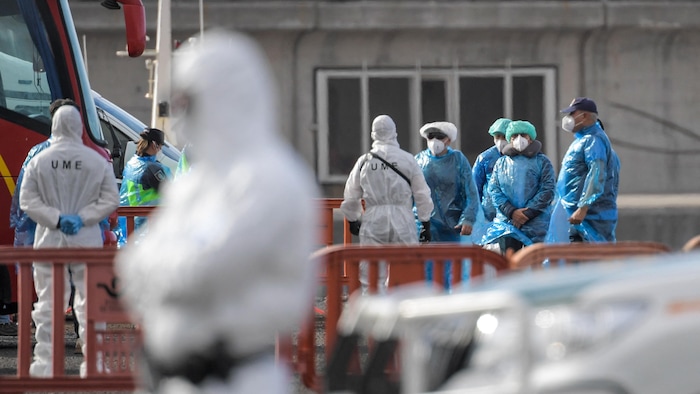
Passengers are being evacuated from the cruise ship MV Hondius in the Canary Islands following the detection of a hantavirus outbreak on board. The health emergency has triggered an international response, involving the repatriation of affected travelers and public health reassurances for the residents of Tenerife.
The evacuation process began as passengers were transferred via river shuttles to the port of Granadilla de Abona. The situation has drawn significant attention from health authorities in multiple countries, specifically Canada and France, as they coordinate the care and monitoring of their citizens who were aboard the vessel during the outbreak.
While the discovery of a zoonotic virus on a luxury vessel is rare, health officials are working to contain the spread and determine the exact source of the contamination. The MV Hondius, known for its expedition cruises, was expected to arrive in the Canary Islands on Sunday, where the evacuation and medical screenings were prioritized.
International Repatriation and Passenger Impact
The outbreak has necessitated urgent medical logistics to ensure the safety of passengers and the prevention of further transmission. Among those affected, five French nationals were repatriated via a dedicated medical flight. This flight was scheduled to arrive at the Le Bourget airport in France by 5:00 p.m. Local time to undergo further evaluation and treatment.
Canadian authorities are also monitoring the situation closely. Reports indicate that approximately 10 Canadians may have been potentially exposed to the virus, with four Canadian passengers having already departed the MV Hondius. Health officials are assessing the risk level for these individuals, as hantaviruses typically require direct contact with rodent excreta to spread, making human-to-human transmission uncommon for most strains.
The coordinated effort to remove passengers from the ship is part of a broader protocol to isolate the environment and conduct a thorough disinfection of the vessel. The use of shuttle boats to move passengers to the port of Granadilla de Abona allowed authorities to maintain a controlled perimeter around the ship while facilitating the transfer of those requiring medical attention.
Understanding Hantavirus and Public Health Risks
Hantaviruses are a family of viruses primarily transmitted to humans through contact with the urine, droppings, or saliva of infected rodents. According to the World Health Organization, infection typically occurs when a person inhales aerosolized viral particles—essentially breathing in dust that has been contaminated by rodent waste.

The clinical manifestation of the virus varies by region and strain. In the Americas, hantaviruses can cause Hantavirus Pulmonary Syndrome (HPS), a severe respiratory disease. In Europe and Asia, they more commonly cause Hemorrhagic Fever with Renal Syndrome (HFRS), which affects the kidneys. Both conditions can be severe and require immediate hospitalization and supportive care.
Because the virus is not typically spread from person to person, the primary concern for health officials in Tenerife and other port cities is the presence of the vector—the rodents—on the ship rather than an outbreak among the general population. This distinction is critical for managing public anxiety and directing resources toward the disinfection of the MV Hondius.
Official Response in Tenerife
The arrival of a ship carrying a viral outbreak naturally caused concern among the local population in the Canary Islands. To mitigate panic, the Director-General of the World Health Organization (WHO) issued a statement specifically aimed at reassuring the residents of Tenerife. The WHO emphasized that the risk to the general public remains low, provided that the containment and evacuation protocols are strictly followed.
Local health authorities in the Canary Islands have collaborated with international agencies to ensure that the port of Granadilla de Abona remained a safe transit point. The focus has been on rapid screening and the immediate redirection of symptomatic passengers to specialized medical facilities.
The situation highlights the complexities of managing health crises in the cruise industry, where high passenger density and international itineraries can complicate the tracking of exposures. The rapid response by the French and Canadian governments underscores the importance of international health regulations in managing cross-border medical emergencies.
Key Health Facts Regarding Hantavirus
For those monitoring the situation or traveling in regions where zoonotic diseases are present, it is helpful to understand the nature of the virus:

- Transmission: Primarily through the inhalation of dust contaminated by rodent droppings, urine, or saliva.
- Symptoms: Early signs often include fever, fatigue, and muscle aches, which can progress to respiratory distress or kidney failure depending on the strain.
- Prevention: The most effective prevention is the elimination of rodent infestations and the use of proper ventilation and cleaning methods (avoiding sweeping or vacuuming contaminated areas, which can stir up viral particles).
- Treatment: There is no specific cure or vaccine for hantavirus; treatment is supportive, often involving oxygen therapy or dialysis in severe cases.
The ongoing investigation into the MV Hondius will likely focus on how the virus entered the ship’s environment and why the outbreak occurred during this specific voyage. Maritime health inspectors are expected to conduct a full audit of the vessel’s sanitation and pest control records.
The next confirmed checkpoint for this developing story will be the release of the final health assessments for the repatriated French and Canadian passengers, as well as the official clearance report for the MV Hondius to resume operations. We will continue to monitor official updates from the WHO and national health ministries.
Do you have experience with travel health safety or thoughts on how cruise lines should handle zoonotic outbreaks? Share your perspective in the comments below.
Keep reading