
A significant discrepancy has emerged between the public promises of President Donald Trump and a new legislative proposal from Republican leadership regarding the construction of a massive new ballroom on the White House grounds. While the President previously insisted the project would be funded entirely by private donors, a new GOP-led funding request seeks $1 billion in taxpayer money to cover security enhancements tied to the development.
The controversy centers on the “East Wing Modernization Project,” a 90,000-square-foot space that President Trump has repeatedly framed as a gift to the American people. In November, the President explicitly told reporters in the Oval Office that “not one penny” of federal government funds would be used for the project, attributing the costs to patriotic private individuals.
However, a long-term funding bill recently released by Senate Judiciary Committee Chairman Chuck Grassley (R-Iowa) tells a different story. The legislation, which primarily focuses on immigration and border patrol funding, includes a specific $1 billion earmark designated for security adjustments and upgrades required to support the new ballroom project. This revelation has sparked immediate backlash from Democratic lawmakers, who argue that the project is now shifting its financial burden onto the public.
The Gap Between Private Pledges and Public Costs
The tension surrounding the White House ballroom highlights a recurring challenge in federal infrastructure: the distinction between construction costs and operational security. While private donors may cover the materials and labor for a building, the United States Secret Service maintains strict, non-negotiable mandates for any structure within the White House compound. These mandates often require specialized, high-cost security features that fall under the jurisdiction of federal funding.
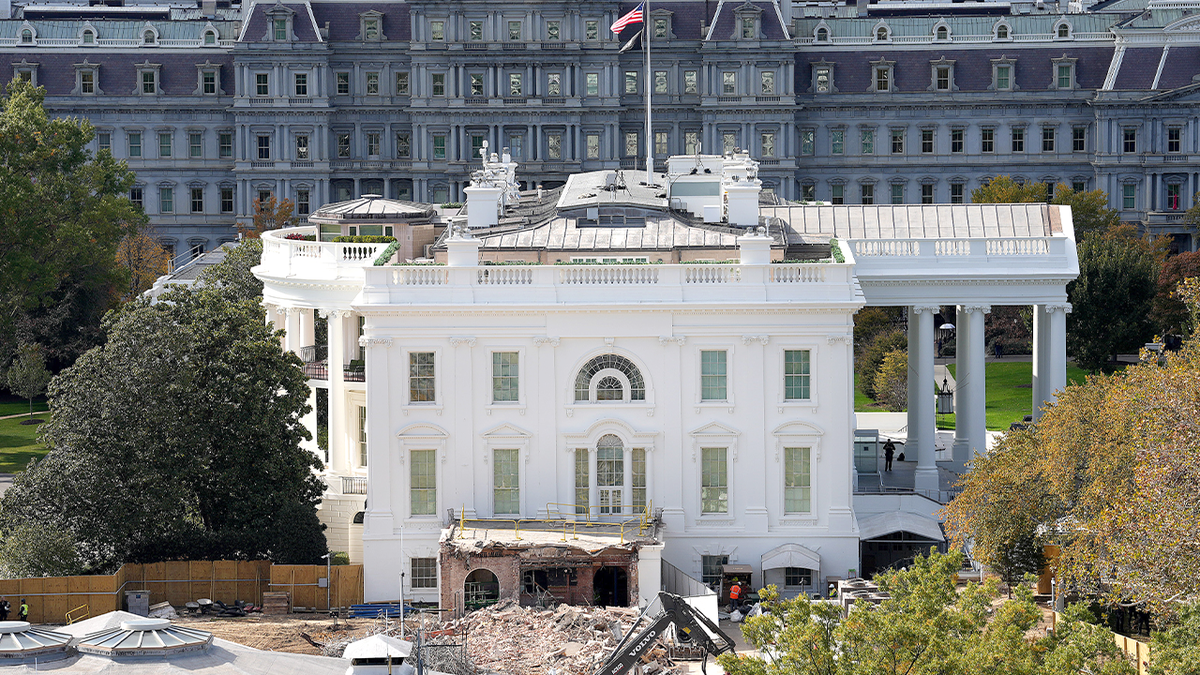
According to reports from NBC News, the proposed $1 billion is not intended for the aesthetic or functional construction of the ballroom itself, but rather for “security adjustments and upgrades” that include both above-ground and below-ground features. These enhancements are necessary to ensure the new structure does not create vulnerabilities within the perimeter fence of the White House compound.
For a global audience, this situation underscores the complexities of presidential legacies and the use of private philanthropy in government spaces. The promise of a “free” addition to a national landmark often overlooks the inherent cost of protecting the most secure residence in the world, where any modification to the architecture necessitates a corresponding update to the security apparatus.
Legislative Strategy: The Reconciliation Bill
The mechanism being used to secure this funding is a “reconciliation” bill, a powerful legislative tool that allows the Republican party to pass the package with a simple majority in the Senate, bypassing the typical 60-vote filibuster threshold. This makes the $1 billion earmark a high priority for GOP leadership and the administration, as it provides a streamlined path to funding without requiring bipartisan support.

The inclusion of the ballroom security funds within a larger immigration and border patrol bill is a strategic move. By tying the security upgrades to broader national security priorities, proponents of the bill aim to frame the expenditure as a necessary component of overall compound safety rather than a luxury addition to the East Wing. However, critics argue that this “bundling” of funds obscures the true cost of the ballroom project from public scrutiny.
The reconciliation process is often used for budget-related measures, and by labeling these security upgrades as essential “modernization,” the administration can categorize the expense as a critical infrastructure requirement. This legislative path suggests that the administration views the security of the East Wing Modernization Project as a non-negotiable priority for the current term.
Secret Service Requirements and the East Wing Modernization Project
The technical scope of the security upgrades is extensive. The legislation specifies that the funds will support “enhancements by the United States Secret Service,” which typically involve advanced surveillance systems, reinforced structural barriers, and secure subterranean access points. Given the 90,000-square-foot scale of the new ballroom, the Secret Service must ensure that the increased foot traffic and the building’s physical footprint do not compromise the existing security perimeter.
Security for the White House compound is an intricate balance of accessibility for dignitaries and absolute protection for the President. The “above-ground and below-ground security features” mentioned in the bill likely refer to blast-resistant foundations, secure entry-exit protocols, and integrated monitoring systems that link the new ballroom to the central security hub of the White House.
This project is part of a broader effort to modernize the East Wing, which serves as the office of the First Lady and a primary entrance for official guests. The scale of the proposed funding—$1 billion—reflects the extreme cost of implementing military-grade security in a historic district where construction is hampered by existing underground infrastructure and the need for absolute secrecy regarding security protocols.
Key Takeaways on the Funding Dispute
- The Promise: President Trump stated in November that the ballroom would be funded entirely by private donors with “not one penny” from the federal government.
- The Proposal: A Republican-led bill introduced by Senator Chuck Grassley proposes $1 billion in taxpayer funds for security upgrades.
- The Scope: The funds are earmarked for the “East Wing Modernization Project,” specifically for Secret Service-mandated security features above and below ground.
- The Method: The funding is being sought through a “reconciliation” bill, which requires only a simple majority in the Senate to pass.
- The Conflict: Democrats have criticized the move as a reversal of the President’s claims regarding private funding.
As the reconciliation bill moves toward a vote, the debate over the White House ballroom is likely to become a focal point for discussions on government transparency and the use of taxpayer funds for presidential projects. The outcome will determine whether the “gift to the nation” remains a privately funded venture or becomes a billion-dollar public investment in security.

The next confirmed checkpoint for this story will be the formal floor vote on the Republican reconciliation package, which leadership intends to pass this year. We will continue to monitor the legislative progress and any official responses from the White House regarding the funding shift.
Do you believe security costs for presidential projects should be covered by taxpayers or the private donors who fund the construction? Share your thoughts in the comments below.
- Colombia’s Trump-Endorsed President-Elect Was Once Investigated by U.S. Authorities
- Oito mortos em campo de férias na Rússia – Correio da Manhã
- Trump Threatens Iran as Houthi Tanker Attacks Push Oil Prices Above $100 (time.news)
- Canadian Households Concerned Over Rising Broadband and Streaming Costs (newsdirectory3.com)