
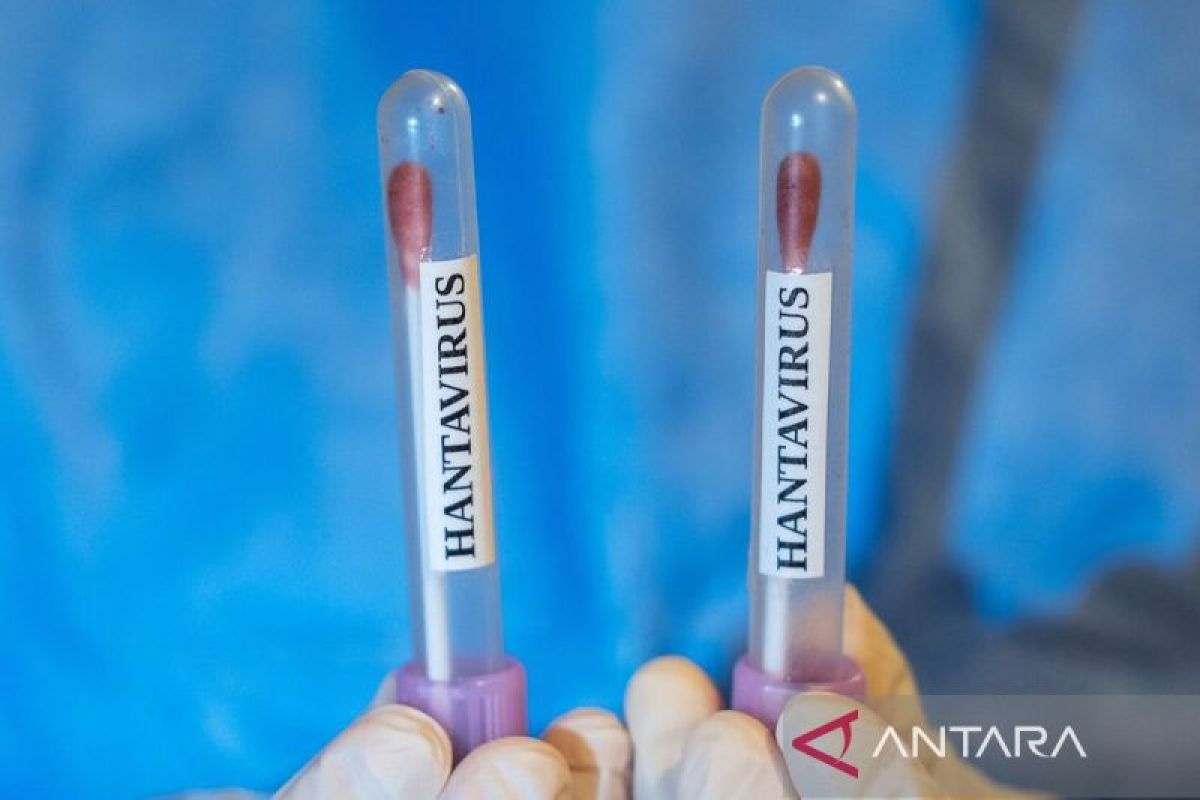
Health authorities in Indonesia have provided a critical update regarding a suspected hantavirus case in the Kulon Progo region of the Special Region of Yogyakarta (DIY). Following rigorous laboratory testing, the suspected case has been officially declared negative, alleviating concerns over a potential outbreak of the zoonotic disease in the area.
The confirmation comes after a resident of Kulon Progo exhibited symptoms that led officials to screen for the virus. The diagnostic process involved coordination between local health offices and national authorities to ensure an accurate result. This development highlights the sensitivity of current public health surveillance systems in detecting and ruling out high-risk infectious diseases in real-time.
As an infectious disease specialist and health journalist, I have seen how “suspected” cases can trigger significant public anxiety. However, the rapid turnaround of these results—confirmed by the Ministry of Health—serves as a model for how transparent communication can prevent unnecessary panic while maintaining a high state of vigilance.
Laboratory Verification and Official Response
The resolution of this case was the result of a collaborative effort between the Kulon Progo District Health Office (Dinkes) and the Ministry of Health (Kemenkes) of the Republic of Indonesia. According to Susilaningsih, the Head of the Kulon Progo Health Office, the laboratory results were finalized and released two days prior to the official announcement on Sunday, May 10, 2026.
“Pada tahun 2026 ini memang ada suspek hantavirus, tetapi hasilnya sudah keluar dua hari lalu dan hasilnya negatif,” Susilaningsih stated, confirming that the suspected case was ruled out through official channels.
The verification process involved a clear chain of command: the local health office in Kulon Progo worked in tandem with the DIY Provincial Health Office, which then coordinated with the central government’s health ministry to process the samples. This multi-tiered approach is essential for zoonotic diseases, which often require specialized laboratory equipment and expertise to differentiate from other febrile illnesses.
Susilaningsih further clarified the current status of the region, stating, “Iya, (hasilnya) negatif. Ini informasi dari Kemenkes, Dinas Kesehatan DIY sudah klarifikasi ke pusat. Jadi di Kulon Progo tidak ada kasus di manusia yang positif hantavirus.” This definitive statement ensures that there is currently no evidence of human hantavirus transmission within the Kulon Progo community.
Understanding the Zoonotic Risk of Hantavirus
While this specific case tested negative, the incident serves as a reminder of the persistent risk posed by zoonotic diseases—infections that jump from animals to humans. Hantaviruses are a group of viruses primarily transmitted to humans through contact with the urine, feces, or saliva of infected rodents. According to the World Health Organization, these viruses can cause severe respiratory or hemorrhagic syndromes depending on the strain and the geographic region.
In the context of Kulon Progo, the primary concern remains the interaction between human populations and rodent populations in rural and agricultural settings. The virus is not transmitted person-to-person in most cases; rather, it is inhaled when contaminated rodent waste is stirred up into the air as dust (aerosolization).
Susilaningsih emphasized the role of rodents in this transmission cycle: “Ya, karena memang sebagai perantara virus itu hewan pengerat, seperti tikus. Oleh karena itu, masyarakat diimbau untuk berperilaku hidup bersih dan sehat.” This underscores the importance of environmental management to reduce rodent populations and limit human exposure to their habitats.
Preventative Measures and the Role of PHBS
In response to the suspected case, health officials have urged the public to adopt PHBS (Perilaku Hidup Bersih dan Sehat), or Clean and Healthy Living Behavior. This is a comprehensive public health strategy in Indonesia designed to empower communities to practice habits that prevent the spread of infectious diseases.

One of the most critical components of PHBS in the prevention of hantavirus and other rodent-borne illnesses is meticulous hand hygiene. Susilaningsih specifically advised residents to wash their hands with soap after engaging in activities that may expose them to rodent waste, such as working in rice fields or participating in community clean-up efforts (kerja bakti).
The use of soap is vital because it breaks down the lipid envelope of many viruses and physically removes pathogens from the skin, effectively killing the germs or bacteria that may have been carried from the environment. For those living in agricultural areas, the following precautions are recommended by health authorities to maintain a safe environment:
- Environmental Sanitation: Keeping homes and yards clean to eliminate food sources and nesting sites for rats.
- Safe Cleaning: When cleaning areas where rodents have been present, it is safer to wet the area with a disinfectant or soapy water rather than sweeping or vacuuming, which can stir up contaminated dust.
- Protective Gear: Wearing gloves or masks when cleaning out sheds, barns, or storage areas that have been closed for long periods.
- Food Storage: Ensuring all food and pet food are stored in rodent-proof containers.
These measures, combined with the oversight of the Ministry of Health (Kemenkes), form the first line of defense against the emergence of zoonotic threats in residential and farming communities.
Why This Matters for Global Public Health
The situation in Kulon Progo, while ending in a negative result, is a microcosm of a larger global health challenge. The increasing frequency of “suspected” zoonotic cases worldwide is often linked to changes in land use, climate change, and the encroachment of human settlements into wildlife habitats. When humans and rodents share closer quarters, the risk of viral spillover increases.
From a clinical perspective, the difficulty in diagnosing hantavirus early—due to symptoms that often mimic the flu—makes the role of the local health office (Dinkes) indispensable. The fact that the Kulon Progo health authorities acted swiftly to isolate a suspect and seek national laboratory confirmation demonstrates a functioning surveillance network. This “detect and rule-out” process is exactly what prevents local clusters from becoming wider outbreaks.
For the global community, this case reinforces the “One Health” approach, which recognizes that the health of people is closely connected to the health of animals and our shared environment. By managing rodent populations and promoting hygiene, communities can significantly lower their vulnerability to a wide array of infectious diseases.
The next confirmed checkpoint for the region will be the continued routine monitoring of zoonotic markers by the Kulon Progo District Health Office and the DIY Provincial Health Office. While no further cases are expected, officials will continue to monitor environmental data and report any new suspected cases to the Ministry of Health for verification.
Do you live in an area where zoonotic diseases are a concern? We encourage you to share this article with your community to promote the importance of PHBS and rodent-safe hygiene. Let us know your thoughts or questions in the comments below.