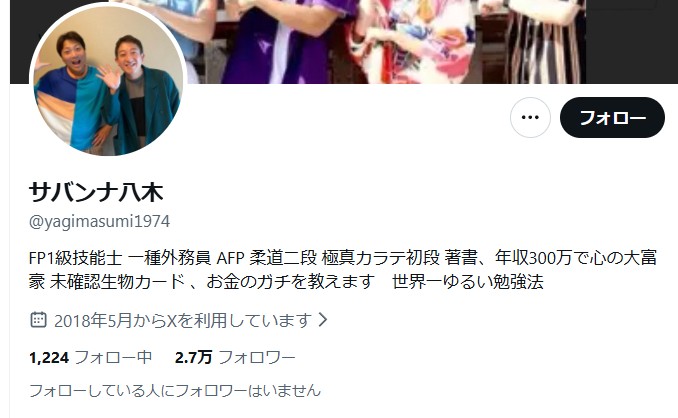
The glittering lights of the Japanese comedy stage often mask a rigid, sometimes brutal hierarchy. Recently, the industry has been shaken by a series of allegations involving power harassment and systemic bullying, centering on the prominent comedian Savannah Takahashi. What began as a vague testimony from a rising star has evolved into a public confrontation, bringing the internal dynamics of the “owarai” (comedy) world into the global spotlight.
The situation reached a new inflection point following a public declaration by Yagi, Takahashi’s long-time comedy partner in the duo Savannah. Yagi has stepped forward as a mediator, attempting to bridge the gap between the accused and the victims. This move has polarized the public, with some praising Yagi’s “manly” intervention and others viewing it as a strategic attempt to suppress a growing scandal that threatens the duo’s commercial viability.
At the heart of the controversy is a clash between the traditional expectations of seniority—where juniors (kohai) are expected to endure hardship for the sake of their seniors (senpai)—and a modern demand for accountability and workplace safety. As more voices emerge, the “Savannah Takahashi bullying allegations” are no longer just about one individual, but are being viewed as a symptom of a deeper, cultural malaise within the Japanese entertainment sector.
The Catalyst: Kouta Nakayama’s Ten-Year Ordeal
The current wave of scrutiny was ignited by Kouta Nakayama, the winner of the prestigious R-1 Grand Prix. While Nakayama reached the pinnacle of solo comedy success, he revealed a harrowing parallel history. In a series of emotional disclosures, Nakayama described enduring approximately 10 years of bullying by a “successful senior” comedian. While he initially avoided naming the perpetrator to avoid immediate professional retaliation, the specificity of his pain resonated across social media, sparking an intense digital search to identify the aggressor.

Nakayama’s testimony highlighted a pattern of psychological abuse and professional sabotage. He described a climate of fear where junior comedians are often silenced by the threat of being blacklisted from television appearances or losing the support of their management agencies. The R-1 champion’s decision to speak out is seen as a significant departure from the “silent endurance” typically expected in the industry, signaling a shift in how younger performers view their rights and mental health.
The tension escalated when Nakayama hinted that he possesses evidence of the abuse. He suggested that the conditions for releasing this evidence would depend on the willingness of the parties involved to acknowledge the truth. This “evidence-based” approach has put the industry on edge, as the transition from anecdotal claims to verifiable proof could lead to legal repercussions or the permanent cancellation of high-profile careers.
The Osada Connection: Allegations of Censorship
The focus shifted more concretely toward Savannah Takahashi when Yuki Osada, a former member of the comedy group Real Kids, came forward. Osada provided a more direct accusation, claiming that Takahashi had pressured him to delete posts regarding the bullying of other comedians. According to Osada, the demand to “erase” the evidence was a clear attempt to manage the narrative and protect Takahashi’s public image.
/i.s3.glbimg.com/v1/AUTH_1f551ea7087a47f39ead75f64041559a/internal_photos/bs/2024/s/t/SmefUXSjSXF4qoDAsAWg/blog-savannah.jpg "Savannah Takahashi Bullying Scandal Yagi")
This specific allegation introduces a more sinister element to the controversy: the alleged use of power to suppress the truth. In the Japanese entertainment world, the ability to control information is a powerful tool. By allegedly ordering the removal of accusations, Takahashi is seen by critics not just as a bully, but as someone utilizing his industry standing to obstruct justice for his subordinates.
The contrast between the public persona of the Savannah duo—often seen as energetic and accessible—and these allegations of behind-the-scenes intimidation has created a significant disconnect for fans. The “delete request” incident has become a focal point for those arguing that the comedy industry’s internal “disciplinary” methods are outdated and abusive.
Yagi’s Intervention: Mediation or Damage Control?
As the pressure mounted, Yagi, the other half of the Savannah duo, made a public declaration of his intent to mediate the dispute. Yagi’s position is unique; as Takahashi’s partner, he is the only person with a direct, daily window into Takahashi’s behavior and the internal workings of their professional relationship. His decision to act as an arbitrator is an attempt to resolve the conflict internally rather than allowing it to play out in the courts or the court of public opinion.
Public reaction to Yagi’s “mediation declaration” has been sharply divided:
- The Supporters: A segment of the audience views Yagi’s move as a sign of maturity and “manliness” (otokogi). They argue that in the context of Japanese social harmony (wa), a trusted third party resolving the issue privately is the most efficient way to achieve a resolution without destroying careers.
- The Critics: Others argue that mediation is a tool for silencing victims. They contend that when allegations involve ten years of systematic abuse and the suppression of evidence, “mediation” is simply a euphemism for a settlement that ensures the victim remains quiet in exchange for a vague apology or financial compensation.
The effectiveness of Yagi’s mediation depends entirely on whether the victims, including Nakayama and Osada, are willing to accept a private resolution. Given that Nakayama has already mentioned the possibility of releasing evidence, the window for a quiet “handshake agreement” may be closing.
Understanding ‘Pawa-Hara’ in Japanese Comedy
To a global audience, the concept of “bullying” in a professional comedy setting might seem trivial, but in Japan, it falls under the umbrella of pawa-hara (power harassment). This is a recognized social and legal issue involving the abuse of authority to cause physical or psychological distress to a subordinate.
The comedy industry is particularly susceptible to pawa-hara due to the senpai-kohai (senior-junior) system. In this structure, the senior comedian is not just a mentor but a gatekeeper. They control access to writers, producers, and television slots. This creates a power imbalance where a junior comedian may feel they must accept abuse as a “rite of passage” or a necessary sacrifice for their eventual success.
Historically, this culture was framed as “tough love” or “training” (shugyo). However, recent legal shifts in Japan and a broader societal movement toward mental health awareness have begun to reclassify these behaviors as workplace harassment. The Savannah Takahashi case is a prime example of this cultural collision, where the “old guard” methods of maintaining hierarchy are being challenged by a generation that views such behavior as unacceptable.
The Stakes for the Entertainment Industry
The implications of this scandal extend far beyond the duo of Savannah. The Japanese entertainment industry is currently under intense scrutiny regarding the treatment of talent. From the “Johnny & Associates” scandal to various reports of idol abuse, there is a growing demand for independent oversight and the removal of the “agency-first” mentality that often protects high-earning stars at the expense of junior performers.
If the allegations against Takahashi are proven, it could lead to a significant loss of sponsorships and television contracts. In the current climate, Japanese corporations are increasingly wary of being associated with “compliance risks.” A comedian accused of long-term bullying and censorship is a liability that many brands are no longer willing to carry.
the role of the “mediator” is being questioned. If Yagi’s attempt to resolve the issue fails or is seen as a cover-up, it may damage his own reputation, potentially dragging the entire duo down. The risk is no longer just about one person’s behavior, but about the perceived integrity of the partnership itself.
What Happens Next?
The situation remains fluid, with the next critical phase depending on the release of evidence. Kouta Nakayama has set a precedent by tying the release of his proof to the behavior of the accused. If a formal apology or an admission of guilt is not forthcoming, the public release of documents or recordings could transform this from a social media controversy into a legal battle.
Observers are now waiting to see if the management agencies involved will issue a formal statement or if they will continue to rely on Yagi’s private mediation. The outcome of this case will likely serve as a barometer for how much the Japanese comedy world is actually willing to change, or if the traditional structures of power will once again prevail over the demands for accountability.
As the entertainment world watches, the “Savannah case” stands as a cautionary tale about the dangers of unchecked power in creative industries and the growing courage of those who refuse to stay silent.
What are your thoughts on the role of mediation in cases of workplace harassment? Should industry disputes be settled privately or through public accountability? Share your views in the comments below.
Keep reading