
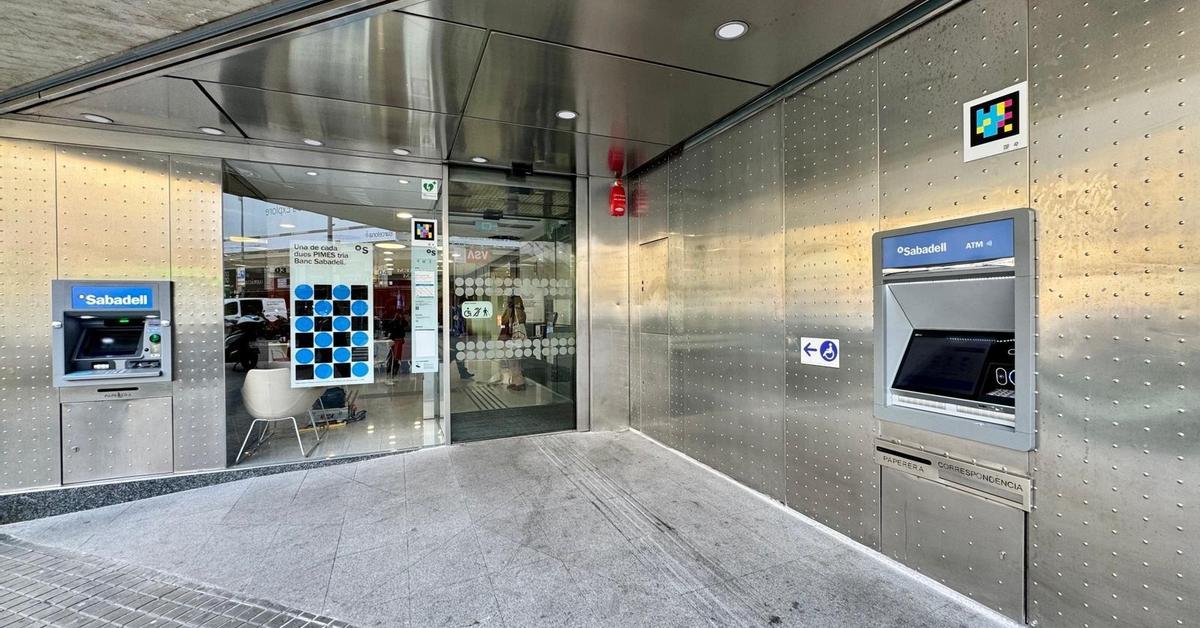
Spain is witnessing a notable divergence in its credit markets, as the appetite for traditional mortgages wavers while consumer credit surges to levels not seen in nearly two decades. This shift signals a fundamental change in how Spanish households are financing their lives, moving away from long-term property investment toward shorter-term, unsecured borrowing to fuel immediate consumption.
For years, the Spanish economy was defined by its volatile relationship with real estate. However, current data indicates that the “mortgage boom” of the past has been replaced by a “consumption boom.” While high interest rates have cooled the housing market, they have not dampened the desire for spending, leading a growing number of borrowers to turn to personal loans and revolving credit lines to maintain their lifestyle or manage liquidity.
As Chief Editor of Business at World Today Journal, I have tracked these macroeconomic pivots across Europe. The current trend in Spain is particularly striking because it occurs against a backdrop of general economic growth. When consumption-led credit outpaces secured lending, it often indicates a transition in consumer confidence—or, conversely, a growing reliance on debt to bridge the gap between stagnant wages and rising costs of living.
The Banco de España has been closely monitoring these developments, noting that the growth in consumer loans is now the primary driver of overall credit expansion in the country. This trend poses a unique set of challenges for financial stability, as unsecured loans lack the collateral that makes mortgages safer for lenders during economic downturns.
The Pivot: Why Consumer Loans are Outperforming Mortgages
The stagnation of the mortgage market is largely a byproduct of monetary policy. The European Central Bank (ECB) has maintained a restrictive interest rate environment to combat inflation, which has directly increased the cost of borrowing for home buyers. For many Spanish citizens, the monthly burden of a new mortgage has become prohibitive, leading to a slowdown in new home loan originations.
In contrast, consumer credit—which includes personal loans, credit cards, and “buy now, pay later” (BNPL) schemes—has seen an aggressive uptick. These products are often marketed with more flexibility and faster approval processes than mortgages, making them attractive to a population experiencing a period of economic activity but facing high entry barriers to homeownership.
This shift is not merely about luxury purchases. Financial analysts observe that a significant portion of this credit is being used for “consumption smoothing”—using loans to maintain a consistent level of spending despite fluctuations in income or the rising cost of essential services. This behavior is often a precursor to higher household leverage, which can become problematic if economic growth slows.
Calculating the Risk: The Danger of Unsecured Lending
The primary concern for regulators is the nature of the debt. Mortgages are secured by the property; if a borrower defaults, the bank can reclaim the asset. Consumer loans, however, are typically unsecured. When a borrower fails to pay a personal loan, the lender has no physical asset to seize, leaving the bank to rely on legal recovery processes that are often slow and costly.
Recent indicators suggest that the risk profile of these loans is shifting. In periods of rapid credit expansion, lenders may lower their underwriting standards to capture more market share, leading to a higher proportion of loans being granted to borrowers with lower credit scores. This creates a potential “bubble” of unsecured debt that is highly sensitive to any sudden increase in unemployment or a further spike in inflation.
The European Central Bank has frequently warned that high levels of household indebtedness can act as a drag on future economic growth, as a larger share of disposable income must be diverted toward debt servicing rather than new spending.
Comparative Risk Profile: Secured vs. Unsecured Credit
| Feature | Mortgage Credit (Secured) | Consumer Credit (Unsecured) |
|---|---|---|
| Growth Trend | Stagnant or Slow Growth | Rapid Expansion |
| Collateral | Real Estate Asset | None (Promise to Pay) |
| Interest Sensitivity | High (Long-term impact) | Very High (Short-term rates) |
| Default Risk | Lower (Asset recovery) | Higher (Total loss potential) |
The Role of Digital Finance and Fintech
The rise in Spanish consumer credit cannot be explained by economic drivers alone; technology has played a pivotal role. The proliferation of fintech apps and digital banking has reduced the “friction” of borrowing. What once required a bank appointment and a stack of paperwork can now be accomplished in seconds via a smartphone app.

This “democratization” of credit has made borrowing almost invisible. Features such as instant credit approvals and integrated payment plans at the point of sale encourage impulsive spending. While this boosts short-term retail sales, it often obscures the total cost of the debt from the consumer, who may find themselves managing multiple small loans that collectively exceed their repayment capacity.
the integration of AI-driven credit scoring has allowed lenders to target specific demographics with precision. While this can expand access to credit for those underserved by traditional banks, it also risks trapping vulnerable populations in cycles of high-interest debt.
What This Means for the Global Economy
Spain’s experience is a bellwether for other Eurozone economies facing similar pressures. The transition from asset-backed lending to consumption-backed lending is a signal that the “wealth effect”—where people feel richer because their homes are increasing in value—is being replaced by a “debt effect,” where spending is maintained through borrowing.

For global investors, this trend suggests a potential increase in volatility within the Spanish banking sector. If the “bad debt” ratios—the percentage of loans that are non-performing—begin to climb, banks may be forced to increase their provisions, which could squeeze profit margins and lead to a tightening of credit conditions across the board.
However, if the economic boom continues and wages rise to meet the cost of living, this credit expansion could simply be a bridge to a more prosperous era of consumption. The critical variable remains the ability of the Banco de España to maintain a balance between supporting economic growth and preventing an unsustainable buildup of household debt.
Key Takeaways for Borrowers and Investors
- For Consumers: Be wary of the “invisible debt” created by BNPL and digital loans; the lack of a physical asset does not mean the debt is less burdensome.
- For Investors: Monitor the Non-Performing Loan (NPL) ratios in Spanish retail banking as a primary indicator of systemic risk.
- For Policy Makers: The focus is shifting from cooling the housing market to managing the risks of unsecured consumer leverage.
The next critical checkpoint for this trend will be the release of the Banco de España’s upcoming quarterly financial stability report, which will provide updated figures on the delinquency rates of unsecured loans and the overall health of household balance sheets. These figures will determine whether the current credit growth is a sign of a healthy, consuming economy or a warning sign of an impending correction.
Do you believe the shift toward consumer credit is a sustainable trend or a risk to financial stability? Share your thoughts in the comments below or share this analysis with your network.