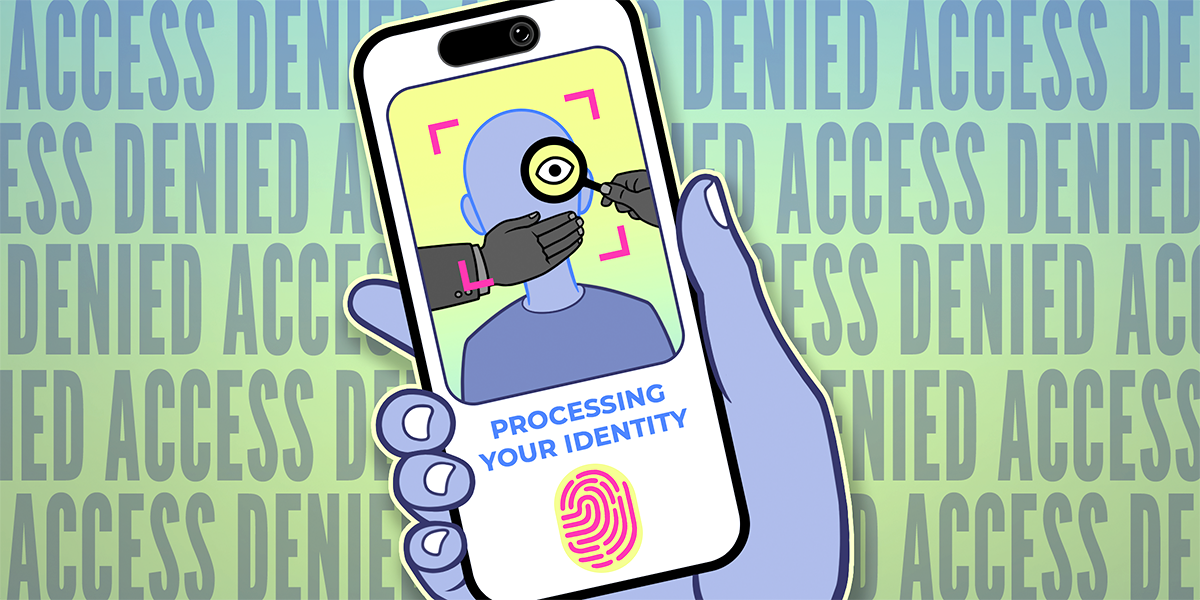
Lawmakers have recently narrowed the scope of the GUARD Act, a piece of legislation designed to restrict minors’ access to specific types of artificial intelligence. The revised bill shifts its focus away from a broad application that could have encompassed nearly every AI-powered chatbot or search tool, targeting instead a more specific category known as “AI companions.”
While the amendment addresses some of the most expansive concerns raised by tech advocates and legal experts, the updated framework continues to spark intense debate. Critics argue that the bill still introduces significant risks to user privacy, online speech, and parental autonomy by mandating intrusive verification processes.
At its core, the GUARD Act (S.3062) seeks to protect children from potentially harmful interactions with AI systems that simulate human intimacy or emotional support. However, the mechanisms proposed to achieve this safety—specifically the requirement for identity-linked age verification—have become the primary flashpoint for opposition.
For the global tech community and users alike, the bill represents a pivotal moment in the struggle to balance the safety of vulnerable populations with the fundamental right to anonymous digital interaction. As the bill moves through the 119th Congress, the tension between “reasonable verification” and “digital surveillance” remains unresolved.
From General AI to ‘AI Companions’
The original iteration of the GUARD Act was criticized for its potentially sweeping reach, which could have inadvertently regulated standard productivity tools or search engines that utilize conversational interfaces. In response, lawmakers refined the definition of the regulated technology to focus on “AI companions.”

Under the current language of the S.3062 legislation, the bill targets systems that “engage in interactions involving emotional disclosures” from the user or those that present a “persistent identity, persona or character.” This narrowing is intended to isolate systems designed for emotional simulation from those designed for utility, such as a tool used for coding or scheduling.
Despite this refinement, legal analysts warn that the margins of this definition remain dangerously vague. As conversational AI evolves, the line between a “utility” and a “companion” blurs. For instance, modern customer service bots are increasingly programmed to recognize user frustration and respond with empathy to resolve conflicts. If a bot’s effort to empathize is interpreted as “engaging in emotional disclosures,” a standard business tool could suddenly fall under the bill’s restrictive mandates.
The Privacy Cost of Age Verification
The most contentious element of the revised GUARD Act is the requirement for companies to implement a “reasonable age verification” system to ensure users are adults. While the bill allows for various verification methods, these are predominantly tied to a user’s real-world identity.
Proposed verification methods include the use of financial records or age-verified accounts linked to mobile operating systems and app stores. This approach creates a significant barrier for millions of people who lack government-issued identification or traditional bank accounts, effectively locking them out of these AI services.
Beyond accessibility, the requirement for identity-linked verification raises severe data security concerns. By forcing users to upload sensitive personal or financial information to verify their age, the bill creates high-value targets for hackers and increases the risk of massive data breaches. For many users, the trade-off—sacrificing anonymity for access to a conversational tool—is an unacceptable risk.
Parental choice is also a central concern. The current framework does not provide a streamlined path for parents who believe an AI companion could benefit their child—such as a teenager using a tool to practice social interaction or a child using a storytelling AI while a parent is deployed in the military. Under the bill, these families would still be forced to navigate burdensome identity checks before the service could be accessed.
Increased Penalties and the ‘Chilling Effect’
The revised bill does not just tighten definitions. it significantly raises the stakes for non-compliance. The financial penalties for violations have been sharply increased, moving from an initial proposal of $100,000 per violation to up to $250,000 per violation, as outlined in the GUARD Act text.
These penalties can be enforced by both federal and state officials, creating a layered regulatory environment that could be overwhelming for small-scale developers. For a startup or an independent developer, a handful of accidental violations could result in millions of dollars in fines, potentially bankrupting the company.
This high level of liability creates a strong incentive for “over-restriction.” Rather than risking a $250,000 fine under vague legal standards, smaller developers may choose to block all minors entirely, disable conversational features that could be interpreted as “emotional,” or abandon the development of these tools altogether. This “chilling effect” could stifle innovation and limit the diversity of AI tools available to the public.
The Safety Paradox
The impetus for the GUARD Act is not without merit. There have been documented cases of AI systems engaging in troubling or manipulative interactions with vulnerable users, including minors. Lawmakers argue that the potential for psychological harm necessitates a hard line at the point of entry.
However, digital rights advocates argue that the bill solves a social problem with a blunt legal instrument. They suggest that the more effective approach would be targeted enforcement against “lousy actors” who intentionally design harmful systems, combined with comprehensive, general-purpose privacy laws that protect all users regardless of the tool they are using.
By focusing on the entry point (age verification) rather than the output (the actual behavior of the AI), the GUARD Act creates a system of surveillance that burdens the right to read, speak, and interact online without addressing the root cause of AI-driven harm.
Key Takeaways of the Revised GUARD Act
- Narrowed Scope: The bill now focuses on “AI companions” (emotional/persona-driven AI) rather than all chatbots.
- Identity Mandates: Requires “reasonable age verification” often tied to financial records or government IDs.
- Higher Stakes: Fines for violations have increased to $250,000 per instance.
- Privacy Risks: Critics argue the bill compromises anonymity and exposes sensitive user data to potential breaches.
- Developer Impact: High penalties may lead small developers to over-restrict access or cease development of conversational AI.
As the legislative process continues, the focus will likely shift toward whether the “reasonable” standard for age verification can be defined in a way that protects children without compromising the privacy of adults. For now, the GUARD Act remains a cautionary example of the difficulties in regulating emerging technology without infringing on civil liberties.
The next critical checkpoint for the legislation will be the upcoming committee reviews and potential floor votes in the Senate. Official updates on the progress of S.3062 can be tracked via the Congress.gov bill tracker.
What are your thoughts on the balance between AI safety and digital privacy? Let us know in the comments below or share this article to join the conversation.
Keep reading