
Tehran has issued a stark warning to regional neighbors, threatening to block access to the Strait of Hormuz for any nation that supports a United States-backed resolution currently before the United Nations Security Council. The escalation comes as Iran pushes back against international efforts to formalize maritime security protocols in one of the world’s most volatile transit points.
The threat specifically targets Bahrain and other regional states, framing the U.S.-led diplomatic initiative not as a security measure, but as a politically motivated provocation. This development marks a significant spike in tensions between Iran and Western powers, raising concerns over the stability of global energy shipments and the safety of international shipping lanes.
At the center of the dispute is a resolution drafted by the United States and Bahrain intended to protect the freedom of navigation within the strait. Iran has vehemently rejected the text, claiming it contains unfounded accusations and contradicts the actual situation on the ground. As diplomatic channels strain, the military presence in the region is already shifting in response.
The Threat to Regional ‘Microstates’
The warning was delivered by Ebrahim Azizi, the chairman of the National Security and Foreign Policy Committee of the Iranian parliament. In a series of public statements, Azizi explicitly warned that alignment with Washington on this maritime issue would lead to severe repercussions for those involved.
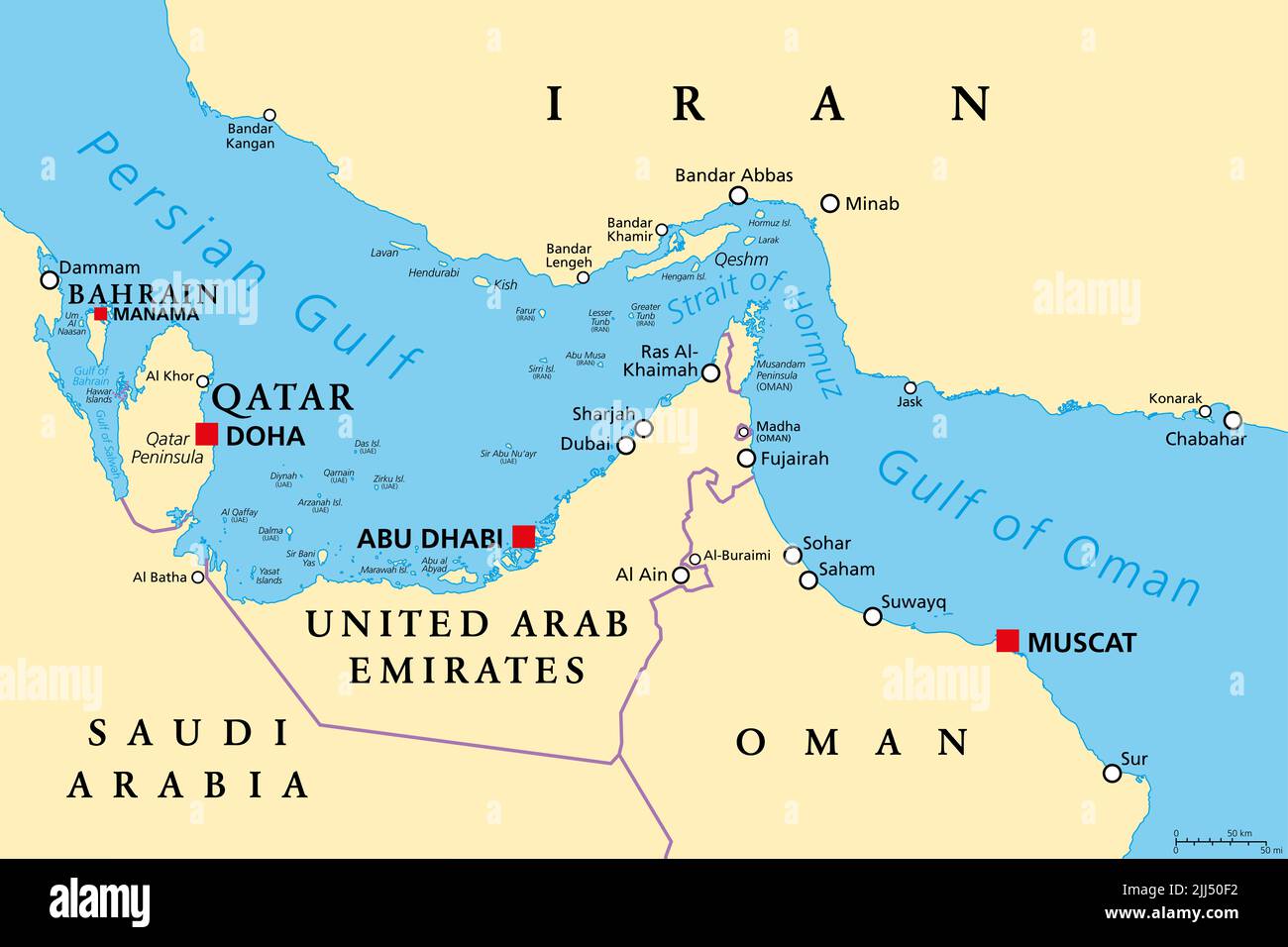
“We warn governments, including microstates like Bahrain, that supporting the resolution backed by the United States will bring serious consequences,” Azizi stated. He emphasized the strategic importance of the waterway, adding, “The Strait of Hormuz is a vital artery; do not risk closing it forever for yourselves.”
By labeling Bahrain a “microstate,” Azizi underscored the power imbalance Tehran intends to leverage should the resolution gain traction. The threat to “close [the strait] forever” suggests a willingness to move beyond temporary harassment of tankers toward a more permanent strategic blockade, a move that would likely trigger a global economic crisis.
Diplomatic Deadlock at the United Nations
The parliamentary threats follow a formal diplomatic rejection by Iran’s representative at the United Nations. Amir Saeid Iravani, the Iranian Ambassador to the UN, recently addressed the Security Council to formally oppose the resolution co-authored by the U.S. And Bahrain.
Iravani characterized the proposed text as “flawed and politically motivated.” In a formal letter, the diplomat argued that while the resolution claims its objectives are to protect the freedom of navigation in the Strait of Hormuz, This proves built upon “unfounded accusations” against Tehran.
Iravani further asserted that the actions of the United States are in “flagrant contradiction” to its stated goals. According to the Iranian mission, U.S. Involvement has served only to intensify regional tensions and deepen instability rather than providing genuine security for maritime trade.
Military Response: Deployment of HMS Dragon
As the diplomatic rift widens, Western military assets are being repositioned to ensure the continuity of shipping. The United Kingdom has announced the deployment of the HMS Dragon, a British Navy destroyer, to the Middle East.
The HMS Dragon, which was previously stationed in the Mediterranean, is being moved into the region to support a future international mission dedicated to the protection of maritime transport in the Strait of Hormuz. This deployment signals a shift toward a more active deterrence posture, as the UK seeks to safeguard the “vital artery” that Azizi threatened to close.
The arrival of the HMS Dragon is expected to integrate with existing international maritime coalitions, providing an additional layer of escort and surveillance for commercial vessels navigating the narrow passage between Oman and Iran.
Why the Strait of Hormuz is a Global Flashpoint
To understand the weight of Iran’s threat to close the Strait of Hormuz, the geography and economics of the region. The strait is a narrow waterway connecting the Persian Gulf to the Gulf of Oman and the Arabian Sea. It is the only sea passage from the Persian Gulf to the open ocean.
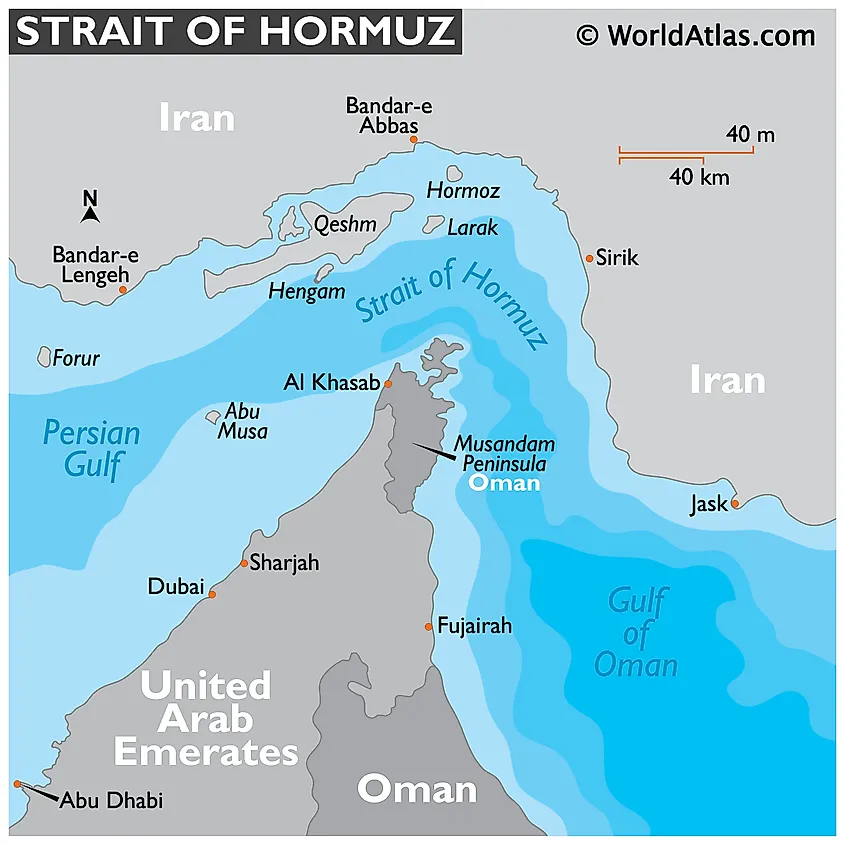
The Strategic Significance:
- Energy Transit: A vast portion of the world’s total oil consumption passes through this corridor daily. Any significant disruption would lead to an immediate spike in global oil prices.
- Economic Vulnerability: Because You’ll see few viable alternatives for transporting oil and liquefied natural gas (LNG) out of the Gulf, the strait acts as a strategic choke point.
- Geopolitical Leverage: For Tehran, the ability to disrupt this flow serves as a primary deterrent against international sanctions and military pressure.
The current conflict over “freedom of navigation” is a clash of legal and political interpretations. The U.S. And its allies view the strait as an international waterway where transit passage is guaranteed. Iran, however, often views the movement of foreign warships and U.S.-backed initiatives as infringements on its national sovereignty and regional security.
Key Takeaways of the Current Escalation
- Iranian Warning: Ebrahim Azizi has threatened to block the Strait of Hormuz for nations supporting a U.S.-backed UN resolution.
- UN Conflict: Ambassador Amir Saeid Iravani rejected the U.S.-Bahrain proposal as “politically motivated.”
- Military Move: The UK is deploying the destroyer HMS Dragon to the region for maritime protection.
- Targeted Nations: Bahrain and other regional “microstates” are specifically warned against supporting Washington.
The international community now awaits the next formal session of the UN Security Council, where the fate of the maritime resolution will be decided. Whether the resolution is adopted, amended, or shelved will likely determine the level of military buildup in the Persian Gulf in the coming months.
World Today Journal will continue to monitor the Security Council’s proceedings and the deployment status of the HMS Dragon. We invite our readers to share their perspectives on regional maritime security in the comments below.
Keep reading