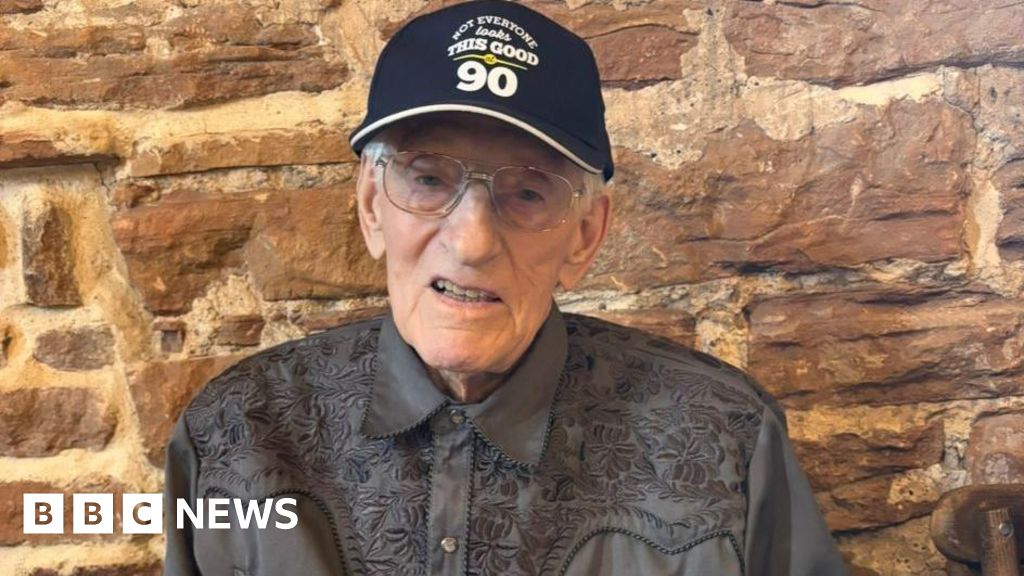
A community is mourning the loss of a man described as a “true gent” after a devastating explosion ripped through a bungalow, claiming the life of 91-year-old Derek Poole. The incident, which left the residence in ruins, has prompted a formal investigation by emergency services to determine the precise cause of the blast.
Family members have remembered Mr. Poole not only for his kindness but for a lifelong passion for automotive engineering and speed. A former grass track racer, he was known among friends and relatives for his deep love of cars—a hobby that defined much of his later years and provided a cornerstone for his identity within the community.
The explosion occurred at the bungalow, where the force of the blast caused significant structural damage and triggered a subsequent fire. Emergency crews responded rapidly to the scene, but the severity of the impact meant that Mr. Poole could not be saved. The sudden nature of the tragedy has left neighbors and loved ones in shock as they grapple with the loss of a man who was seen as a pillar of gentility and warmth.
Authorities have since cordoned off the area to allow forensic specialists to examine the debris. While the investigation is in its early stages, the focus remains on identifying the source of the ignition and whether the explosion originated within the garage or the main living quarters of the bungalow.
A Legacy of Speed and Gentility
For those who knew Derek Poole, the image of a quiet 91-year-old man was balanced by a spirited history on the race track. His time as a grass track racer—a discipline of motorcycle or car racing on oval tracks of grass or dirt—spoke to a daring nature and a technical aptitude for machinery that remained with him throughout his life.
Family tributes highlight a man who embodied a bygone era of courtesy and respect. By describing him as a “true gent,” his relatives pointed to a temperament characterized by politeness and a steady, supportive presence. This duality—the thrill-seeking racer and the soft-spoken gentleman—made him a beloved figure in his social circles.
His passion for cars was more than a hobby; it was a vocation of curiosity. Whether maintaining vintage engines or following the latest developments in automotive design, Mr. Poole’s engagement with the mechanical world was a constant thread in his life. This connection to cars often served as a bridge between him and younger generations of his family, who shared in his enthusiasm for the open road and the roar of an engine.
Understanding Residential Explosions and Investigations
When a residential structure, particularly a bungalow with an attached garage, suffers an explosion, investigators follow a rigorous protocol to determine the “point of origin” and the “fuel source.” In cases involving individuals with a passion for automotive work, forensic teams often examine several specific variables.
One primary area of focus is the presence of volatile organic compounds (VOCs). Gasoline, solvents, and certain cleaning agents used in car maintenance can evaporate at room temperature, creating flammable vapors. If these vapors accumulate in an enclosed space—such as a garage with poor ventilation—a single spark from a light switch, a water heater pilot light, or a power tool can trigger a catastrophic fuel-air explosion.
investigators look for evidence of gas leaks. A rupture in a natural gas line or a faulty boiler can allow gas to fill a home. Because bungalows often have open-plan layouts or shared walls between the garage and living areas, a leak in one section can quickly migrate, leading to a blast that compromises the entire structure’s integrity.
The investigation into Mr. Poole’s death will likely involve:
- Debris Mapping: Analyzing the pattern of the collapse to find the epicenter of the blast.
- Chemical Analysis: Testing residues to see if accelerants or specific fuels were involved.
- Electrical Audit: Checking for short circuits or faulty wiring that could have acted as an ignition source.
- Utility Review: Coordinating with gas and electric providers to check for external surges or leaks.
The Impact on the Community
The loss of a resident of Mr. Poole’s age and standing often resonates deeply within a neighborhood. In smaller communities, the “true gent” persona often translates to a neighbor who was always ready to lend a hand or offer a kind word. The sight of emergency vehicles and the subsequent ruins of a home serve as a stark reminder of the fragility of life, regardless of age.

Neighbors have expressed their condolences, noting that Mr. Poole’s presence brought a sense of stability and history to the street. The transition from a peaceful residential setting to a forensic crime scene is a jarring experience for those living nearby, who now await the official findings of the investigation.
Garage Safety and Preventative Measures
While the cause of the explosion at Mr. Poole’s home is not yet confirmed, the incident underscores the importance of safety when storing flammable materials in residential garages. For those who share Mr. Poole’s love for cars and mechanical work, safety experts recommend several critical precautions to prevent accidental ignitions.
Ventilation is Paramount
The most effective way to prevent vapor buildup is through consistent ventilation. This includes the installation of exhaust fans or ensuring that windows and doors are opened during and after the use of fuels or solvents. Vapors are often heavier than air and can “pool” along the floor, moving toward ignition sources far from the original spill.
Safe Storage of Flammables
Gasoline and other flammable liquids should be stored in approved, airtight containers. These containers should be kept in a cool, well-ventilated area, ideally away from the main living quarters of the home. Using a dedicated flammable-liquids safety cabinet can further reduce the risk of leaks and accidental sparks.
Electrical Safety
In environments where fuel vapors may be present, electrical fixtures should be “explosion-proof” or rated for hazardous locations. Standard light switches and outlets can produce a tiny internal spark when toggled, which is sufficient to ignite a concentrated cloud of gasoline vapor.
Regular Maintenance
Homeowners are encouraged to have their gas lines and heating systems inspected annually by certified professionals. A small leak in a flexible hose or a corroded pipe can go unnoticed until a critical concentration of gas is reached, leading to a sudden and violent event.
Next Steps in the Investigation
The investigation into the death of Derek Poole remains active. Forensic teams will continue to sift through the remains of the bungalow to reconstruct the sequence of events. Once the physical evidence is gathered, it will be analyzed in conjunction with witness statements and utility records.
A formal report on the cause of death and the trigger of the explosion is expected to be released following the completion of the coroner’s inquest and the police investigation. Until then, the family of Mr. Poole asks for privacy as they mourn the loss of a man who brought joy to many through his kindness and his love for the thrill of the race.
The final checkpoint for this story will be the release of the official investigation report by the relevant law enforcement and fire safety authorities, which will provide a definitive answer on the cause of the tragedy.
World Today Journal encourages readers to share their memories of those who have touched their lives in the comments below. Please share this article to raise awareness about home and garage safety.
Worth a look