
The reach of Sweden’s brutal gang conflicts has extended far beyond the borders of Scandinavia, as authorities confirm the detention of a suspected high-ranking criminal leader in Tunisia. This arrest marks a significant escalation in a coordinated international effort to dismantle the leadership of transnational networks that have fueled a wave of unprecedented violence across Swedish cities.
The operation, conducted in coordination with Tunisian authorities, targets the upper echelon of a criminal hierarchy that has long utilized North Africa and the Middle East as safe havens to orchestrate crimes in Europe. For years, the Swedish Police Authority has tracked the movement of “command and control” figures who direct street-level violence and narcotics trafficking from thousands of miles away, utilizing encrypted communications to maintain anonymity.
This detention is not an isolated event but part of a broader strategic shift by European law enforcement to prioritize the capture of “kingpins” over low-level operatives. By removing the architects of these conflicts from their overseas retreats, Swedish investigators hope to disrupt the operational capacity of networks that have turned urban centers into battlegrounds.
The arrest underscores the evolving nature of organized crime in the 21st century, where the divide between local street gangs and global syndicates has effectively vanished. The suspect is believed to be linked to a network involved in the large-scale importation of narcotics and the coordination of targeted killings, reflecting a sophisticated business model that blends legitimate commerce with extreme violence.
The Transnational Reach of the Foxtrot Conflict
To understand the significance of an arrest in Tunisia, one must examine the context of the “Foxtrot” network—a sprawling, transnational criminal organization that has been at the center of Sweden’s most violent gang war in recent history. The Foxtrot conflict is characterized by a deep schism within the network, leading to a bloody internecine struggle for control over the lucrative cocaine and cannabis markets.
Unlike traditional gangs tied to a specific neighborhood or city, the Foxtrot network operates as a franchise. Its leaders often reside in luxury villas in Dubai, Turkey, or North Africa, while their subordinates execute orders in Sweden. This geographical separation allows the leadership to avoid extradition and legal scrutiny while continuing to manage the logistics of drug shipments from South America and the Balkans.
The violence associated with this network has been particularly severe, involving the use of military-grade weaponry, including hand grenades and automatic rifles. The Swedish government has responded by introducing stricter sentencing and expanded surveillance powers, but the persistence of overseas leadership has remained a primary obstacle for the Swedish Police Authority.
The detention in Tunisia suggests that the “safe harbor” status of North African jurisdictions is eroding. As Sweden strengthens its bilateral security agreements and works more closely with Interpol, the window for gang leaders to operate with impunity from abroad is closing.
International Cooperation and the Extradition Hurdle
The capture of a high-value target in a non-European Union country like Tunisia presents a complex legal challenge. While the physical arrest is a victory for intelligence services, the process of bringing a suspect back to Sweden—known as extradition—is often a protracted legal battle.
Extradition depends on bilateral treaties or the principle of reciprocity. Tunisian authorities must review the evidence provided by Swedish prosecutors to ensure the charges meet the legal standards of both nations. Defense attorneys for these suspects often challenge extradition requests by claiming political persecution or citing inadequate human rights conditions, though such arguments are rarely successful in cases involving organized crime and narcotics trafficking.
The role of Interpol is critical in these operations. By issuing “Red Notices,” Sweden can alert law enforcement agencies worldwide that a specific individual is wanted for prosecution. These notices do not mandate arrest but serve as a global signal that the individual is a fugitive, making it significantly harder for them to travel legally or open bank accounts in foreign jurisdictions.
the use of decrypted data from platforms like EncroChat and SkyECC has provided Swedish authorities with a “digital map” of these networks. This intelligence allowed investigators to pinpoint the exact locations of leaders who previously believed their encrypted devices made them invisible to the state.
Impact on Swedish Urban Security
The primary goal of these international arrests is the stabilization of Swedish society. The conflict between rival factions has led to a surge in bombings and shootings, often impacting innocent bystanders and creating a climate of fear in suburbs of Stockholm, Gothenburg, and Malmö.
Law enforcement experts argue that the “decapitation strategy”—removing the top leadership—is the most effective way to induce instability within a criminal organization. When a leader is arrested, the remaining members often fight over the vacuum of power, leading to internal fractures that make the group easier to penetrate and dismantle from within.
However, there is a risk that the removal of a single leader may simply lead to the rise of a more aggressive successor. To prevent this, the Swedish judiciary is increasingly focusing on “organized crime” as a specific legal category, allowing for longer sentences and the seizure of assets that are suspected to be the proceeds of crime, regardless of whether they are held in Sweden or abroad.
The impact of this arrest will be measured not just by the conviction of one individual, but by the subsequent drop in commissioned violence on the streets. If the detained leader was responsible for ordering specific hits or managing the flow of weaponry, their removal could lead to a tangible decrease in the frequency of attacks.
The Role of North Africa as a Criminal Hub
The choice of Tunisia as a base of operations is not accidental. North Africa has increasingly become a transit point for narcotics moving from the Sahel region and South America into Europe. The region’s proximity to Italy and Spain makes it an ideal logistics hub for smuggling operations.
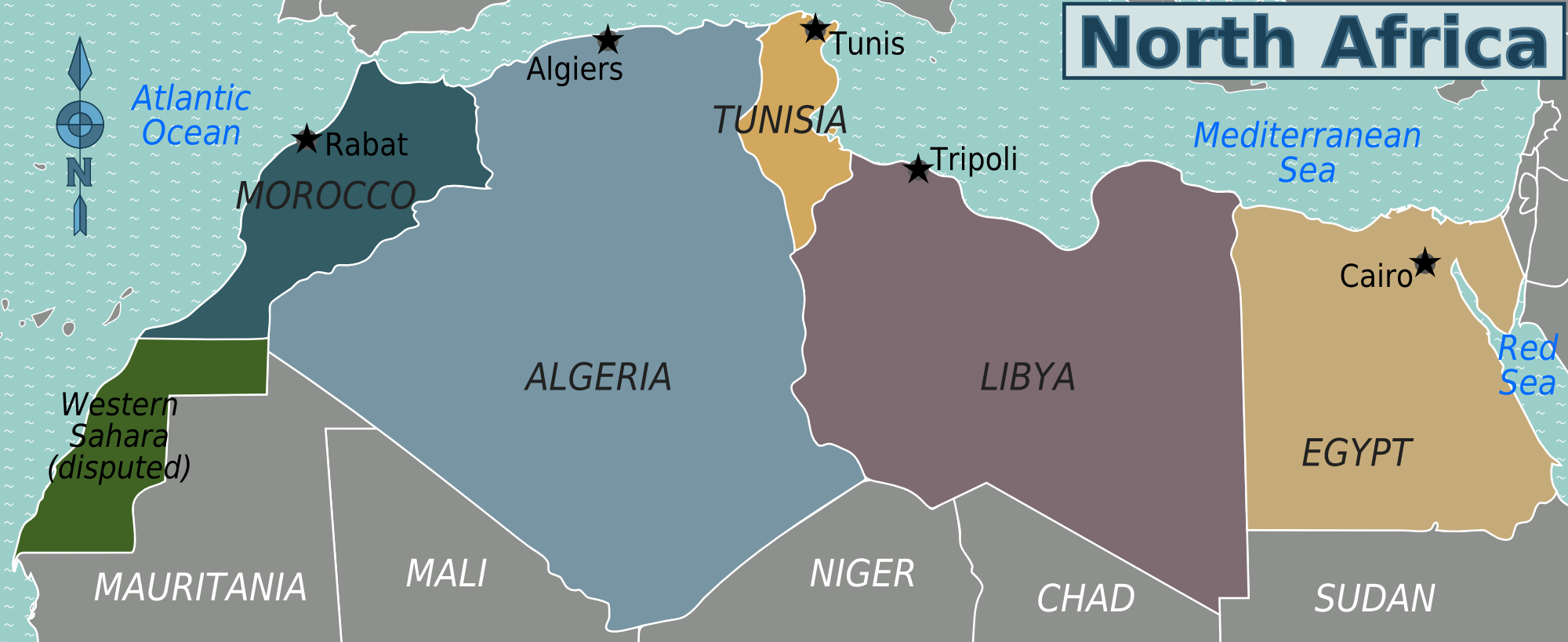
Criminal networks often exploit the economic instability or the administrative gaps in various North African states to establish front companies. These businesses—ranging from import-export firms to real estate agencies—are used to launder money and provide a legal veneer for the presence of foreign criminals.
The Tunisian government’s cooperation in this arrest signals a willingness to combat the influence of European organized crime within its borders. As these networks grow more brazen, they often begin to corrupt local officials or engage in local crime, which eventually forces the host country to take action to protect its own national security.
This trend of “crime tourism,” where wealthy gang leaders live like expatriates while managing criminal empires, is a growing concern for the European Union. The EU has called for increased intelligence sharing and a more unified approach to freezing the assets of these individuals to ensure that their wealth cannot be used to fund legal defenses or bribe officials.
Key Takeaways on the International Crackdown
- Strategic Shift: Swedish authorities are moving away from arresting street-level dealers and focusing on the “command and control” leaders residing abroad.
- Network Complexity: The Foxtrot network exemplifies the modern criminal model: global logistics combined with local violence.
- Intelligence Wins: The decryption of secure communications has been the primary catalyst for locating fugitives in North Africa and the Middle East.
- Legal Challenges: While arrests are successful, the extradition process from non-EU countries remains a slow and complex legal hurdle.
- Security Goal: The ultimate objective is to disrupt the “order-and-execute” chain to reduce the number of bombings and shootings in Swedish cities.
The next critical checkpoint in this case will be the formal extradition hearing in Tunisia, where the Tunisian judiciary will decide whether to grant the Swedish request to transfer the suspect. This decision will likely be influenced by the strength of the evidence presented by Swedish prosecutors and the diplomatic pressure exerted by the Swedish Ministry for Foreign Affairs.
World Today Journal will continue to monitor the legal proceedings and the impact of this arrest on the security situation in Sweden. We invite our readers to share their perspectives on the effectiveness of international cooperation in fighting organized crime in the comments below.
Related reading