The European Union has swiftly dismissed a proposal from Russian President Vladimir Putin to appoint former German Chancellor Gerhard Schröder as a mediator in peace negotiations to end the war in Ukraine. The rejection underscores a deep diplomatic rift and the EU’s refusal to accept a figure widely viewed as being too closely aligned with the Kremlin to act as an impartial arbiter.
The proposal came over the weekend, with President Putin suggesting that the 82-year-old former leader could serve as a European mediator to restart talks. Putin stated that he would “personally” favor Schröder for the role, a move that has been met with immediate skepticism and rejection from Brussels.
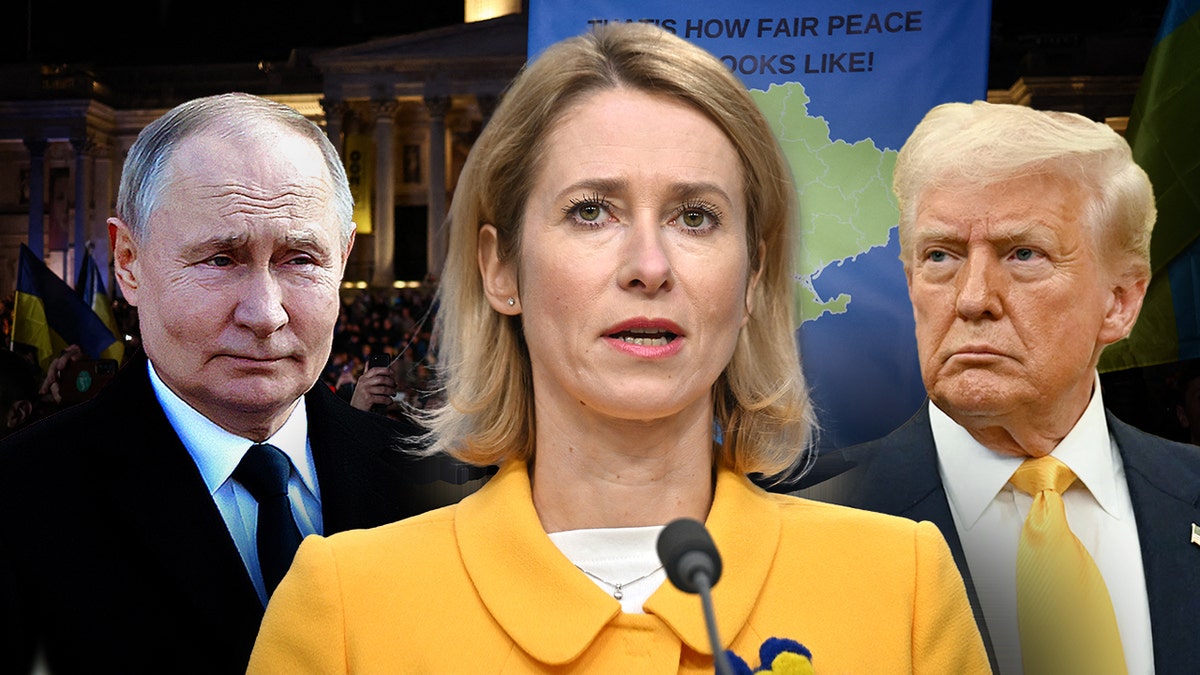
The EU’s foreign policy chief, Kaja Kallas, characterized Vladimir Putin’s recent calls for a ceasefire as “remarkably cynical,” rejecting the notion that a long-time ally of the Russian president could facilitate a fair and lasting peace agreement. The clash highlights the fundamental disagreement between the two sides regarding the preconditions for any future negotiations.
A Conflict of Interest: The Schröder Connection
The EU’s immediate dismissal of Gerhard Schröder is rooted in his extensive and controversial history with the Russian state and its energy sector. Schröder’s ties to Moscow have long been a point of contention within Europe, particularly following his tenure as Chancellor of Germany.
Schröder previously held several high-ranking positions in Russian energy projects, most notably through his involvement with the Nord Stream gas pipelines. He held a seat on the board of Rosneft, the Russian state-controlled oil company. These roles established a financial and political relationship with the Kremlin that many European officials argue makes him incapable of neutrality in the current conflict.
While Schröder did step down from these positions several months after Moscow launched its full-scale invasion of Ukraine—following significant political pressure—he has notably never explicitly condemned Vladimir Putin over the invasion. This silence has further eroded his standing among EU leadership, who view his appointment as a tactical move by Putin rather than a genuine effort at mediation.
The ‘Cynical’ Path to Peace
The proposal arrives at a moment of rare ambiguity from the Kremlin. President Putin has recently suggested that the conflict in Ukraine could be drawing to a close, a departure from previous rhetoric and a rare hint at a potential timeline for ending the invasion.
However, the EU views these overtures as a strategic distraction. According to reports from The Guardian, Putin’s top advisers have remained steadfast in their demands, insisting that Ukraine must withdraw its troops from the eastern Donbas region as a non-negotiable precondition for any future negotiations.
This demand creates a stark contradiction: while Putin publicly hints at the end of the war and proposes a mediator, his military objectives remain aggressive. Sources familiar with the Russian president’s thinking indicate that Putin remains determined to seize the remaining parts of the Donbas region by force within this year before any serious talks are allowed to begin.
Key Points of Contention in the Mediation Proposal
| Perspective | The Kremlin’s Position | The European Union’s Position |
|---|---|---|
| Role of Gerhard Schröder | Viewed as a trusted, “personally” favored figure to restart European talks. | Dismissed as a Kremlin-friendly figure lacking the necessary impartiality. |
| Timeline for Peace | Hints that the conflict could be drawing to a close soon. | Views ceasefire calls as “very cynical” given ongoing military goals. |
| Preconditions | Demands full Ukrainian troop withdrawal from the Donbas. | Rejects terms that reward aggression or forced territorial seizures. |
What In other words for Future Negotiations
The rejection of the EU rejects Gerhard Schröder as Ukraine mediator signals that the bridge between Brussels and Moscow remains effectively broken. For the EU, the selection of a mediator is not merely a matter of diplomatic convenience but a question of legitimacy. Accepting a mediator with deep financial and political ties to the aggressor would, in the eyes of EU leadership, undermine the integrity of any resulting peace treaty.
The situation also places Germany in a delicate position, as a former head of its government is being utilized by the Kremlin as a pawn in a wider geopolitical game. The EU’s firm stance indicates a unified front in refusing to allow “friendly” intermediaries to dictate the terms of Ukrainian sovereignty.
As the Russian military continues its push to secure the Donbas region by force this year, the window for meaningful diplomacy remains narrow. The EU continues to emphasize that any legitimate peace process must be based on international law and the territorial integrity of Ukraine, rather than the preconditions set by the Kremlin.
The next critical checkpoint will be the continued movements of Russian forces in the Donbas region and any further official statements from the EU regarding the framework for a legitimate mediation process.
Do you believe a neutral mediator is possible given the current geopolitical climate? Share your thoughts in the comments below or share this article to join the conversation.
Related reading