
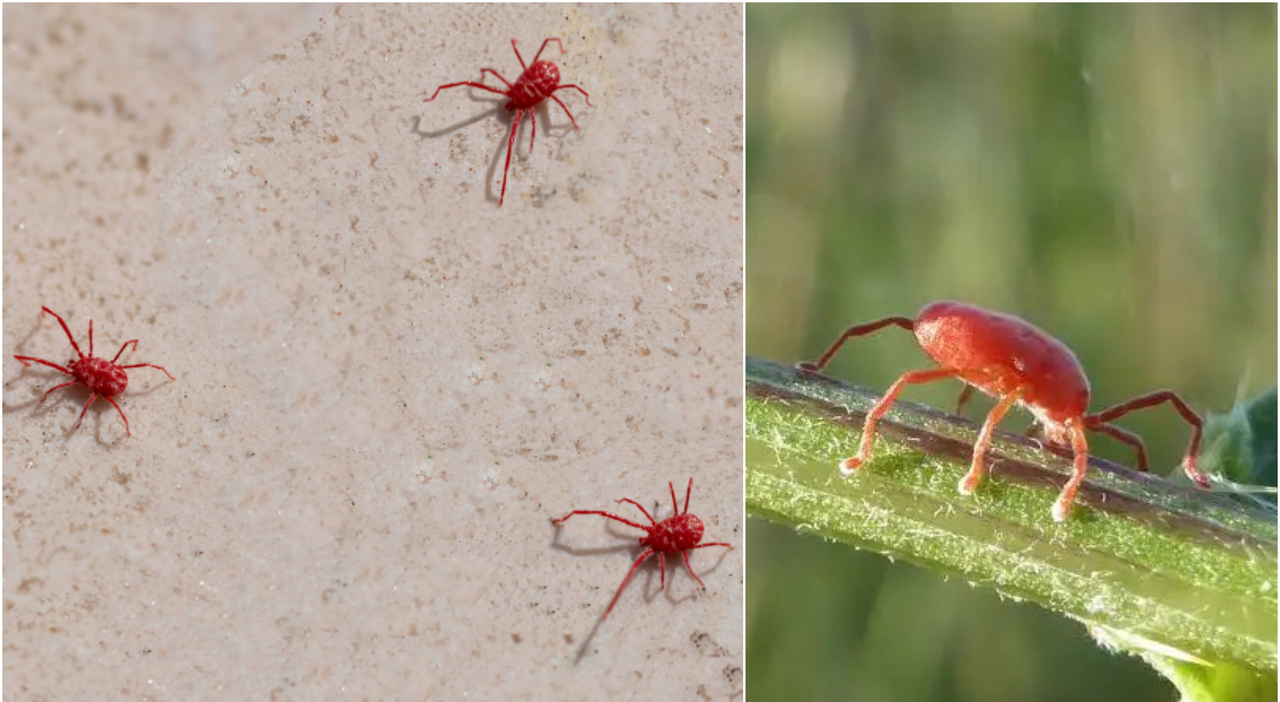
As the weather warms and balcony gardens across the globe begin to bloom, many urban gardeners are noticing a peculiar sight: tiny, bright red dots scurrying across their leaves and stems. The immediate instinct for many is to reach for a chemical spray, fearing an infestation that could devastate their greenery. However, in the world of entomology and plant health, that flash of red is often a sign of a healthy ecosystem rather than a crisis.
Identifying the difference between a predatory ally and a destructive pest is the first step in sustainable gardening. While the term “red spider mite” is frequently used as a catch-all for any small red arthropod, the reality is far more nuanced. In many cases, these red visitors are actually biological guardians that protect your plants from the incredibly pests you fear most.
As a physician and health journalist, I have spent over a decade focusing on the intersection of environmental health and human well-being. The way we manage our immediate surroundings—including the small balconies of our apartments—reflects a broader commitment to public health and biodiversity. Moving away from reflexive pesticide use toward an understanding of natural predators is a critical part of modern, health-conscious living.
Understanding these tiny organisms allows us to embrace a more balanced approach to urban gardening, reducing our reliance on synthetic chemicals that can impact our respiratory health and the local pollinator population. Here is how to distinguish your beneficial guests from the genuine threats to your balcony plants.
The Beneficial Guardians: Predatory Mites
When you see a tiny, bright red or orange mite moving quickly and independently on a leaf, you are likely looking at a predatory mite. These are not pests; they are highly efficient hunters. Belonging to families such as Phytoseiidae, these mites are an essential component of Integrated Pest Management (IPM), a strategy that prioritizes biological controls over chemical interventions.
Unlike the pests they hunt, predatory mites do not feed on plant tissue. Instead, they prey on harmful insects, including fungus gnats, thrips, and—most importantly—the destructive spider mites. Because they are active hunters, they are often seen moving faster than their prey. If the red mite is solitary and doesn’t leave behind a trail of webbing, it is almost certainly a beneficial organism that you should encourage to stay.
Encouraging these predators is a cornerstone of ecological gardening. When we eliminate these “good” mites with broad-spectrum insecticides, we create a biological vacuum. This often leads to a “pest resurgence,” where the harmful mites return in greater numbers because their natural enemies have been wiped out, leaving the plant completely defenseless.
The True Threat: The Two-Spotted Spider Mite
The organism most gardeners actually fear is Tetranychus urticae, commonly known as the two-spotted spider mite. Despite the common name, these pests are rarely bright red. To the naked eye, they often look like moving dust or tiny yellowish-green specks. They are significantly smaller than the predatory red mites and are usually found in dense colonies rather than wandering alone.
The hallmarks of a two-spotted spider mite infestation are distinct and far more damaging than the mere presence of a red dot. The first sign is typically “stippling”—the appearance of tiny yellow or white dots on the upper surface of the leaves, caused by the mites piercing plant cells to suck out the contents. If left unchecked, this leads to general yellowing (chlorosis) and eventually the death of the leaf.
The most definitive sign of a pest infestation is the presence of fine, silken webs. These webs are spun by the mites to protect their eggs and colonies from predators and environmental stress. If you see webbing stretching across the stems or between leaves, you are dealing with a pest, not a protector. According to the Penn State Extension, these mites thrive in hot, dry conditions, which is why they frequently peak on sunny balconies during the summer months.
The Patio Resident: Velvet Mites
Not all red mites are found on the plants themselves. Some gardeners notice bright red, velvety-looking creatures crawling on their brick walls, patio tiles, or the soil surface. These are Trombidiid mites, often referred to as velvet mites or brick mites.
Velvet mites are generally harmless to humans and plants. They spend much of their lives in the soil and litter, emerging onto hard surfaces in the spring to hunt for other insects and insect eggs. Their bright red color serves as a warning to predators (aposematism), signaling that they are not a desirable snack. While they might look alarming due to their vivid hue, they play a helpful role in the soil ecosystem by regulating other insect populations.
Unlike the plant-dwelling predatory mites, velvet mites are more associated with the ground and structural elements of a balcony. They are a sign of organic activity in your potting soil or the surrounding environment, and they do not require any intervention.
Why You Should Avoid Immediate Chemical Intervention
The impulse to spray a pesticide at the first sight of a bug is a habit born of an outdated “war on pests” mentality. From a public health perspective, the overuse of domestic pesticides—especially in confined spaces like balconies—can lead to unnecessary chemical exposure for residents and pets.
the ecological cost is high. Many common over-the-counter sprays are non-selective, meaning they kill the predatory mites along with the pests. This disrupts the natural balance of your miniature ecosystem. By preserving the predatory mites, you are employing a free, organic, and self-sustaining pest control system.
If you suspect a genuine infestation of two-spotted spider mites, Notice safer, more targeted alternatives to heavy chemicals:
- Water Pressure: A strong stream of water from a spray bottle can physically blast spider mite colonies and their webs off the plant, significantly reducing their population without harming the environment.
- Humidity Increase: Since spider mites thrive in dry air, regularly misting your plants can make the environment less hospitable for them.
- Insecticidal Soaps: If a population becomes unmanageable, a mild insecticidal soap can be used, though it should be applied carefully to avoid killing the beneficial predatory mites.
Summary of Mite Identification
To help you decide whether to act or observe, refer to the following distinctions:

| Characteristic | Predatory Mites (Beneficial) | Spider Mites (Pests) | Velvet Mites (Neutral/Helpful) |
|---|---|---|---|
| Color | Bright red, orange, or yellow | Pale yellow, green, or “dusty” | Deep, vivid red |
| Appearance | Solitary, fast-moving | Found in colonies, very tiny | Velvety texture, slightly larger |
| Key Signs | No webbing; healthy leaves | Fine webs; yellow stippling | Found on bricks, soil, or walls |
| Action | Leave them alone/Encourage | Manage with water or soap | Ignore |
By taking a moment to observe the behavior and appearance of these organisms, you can transform your balcony from a site of chemical battle into a thriving micro-habitat. The presence of red predatory mites is not a sign of infestation, but a sign that nature is working to keep your garden healthy.
As we move further into the spring season, the next key checkpoint for gardeners will be the mid-summer heat peak, when humidity drops and spider mite activity typically intensifies. Monitoring your plants now and establishing a population of beneficial predators will be your best defense against the summer surge.
Do you have a “mystery bug” on your balcony or a natural gardening tip that has worked for you? Share your experiences in the comments below or share this guide with a fellow urban gardener.