
The legal challenges facing French singer and actor Patrick Bruel have intensified as a growing number of women come forward with allegations of sexual violence spanning several decades. Once regarded as a cornerstone of French pop culture and cinema, Bruel is now the center of multiple judicial inquiries across different jurisdictions, following a series of detailed accusations that paint a pattern of misconduct.
The latest developments involve a complaint from a Quebec journalist who alleges she was forcibly kissed by the star, adding to a mounting list of accusers. These claims have surfaced alongside an extensive investigative report by the news site Mediapart, which has detailed allegations from multiple women who claim Bruel committed acts of sexual violence between 1992 and 2019. While Bruel has consistently denied all allegations through his legal counsel, the scale of the accusations has sparked a wider conversation about power dynamics and accountability within the European entertainment industry.
The situation has evolved from isolated claims to a complex legal web, with active investigations now proceeding in Paris, Saint-Malo, and Brussels. For a global audience, the case serves as a stark example of the continuing “Me Too” momentum in France, where high-profile figures are increasingly facing scrutiny for behaviors that were previously shielded by fame and professional standing.
The Quebec Complaint and the Pattern of Allegations
Among the most recent claims is a complaint filed by a journalist from Quebec. The accuser alleges that Bruel kissed her by force, an incident that led to a formal complaint filed in 2017. This case is significant not only because of its international dimension but because it mirrors the timeline and nature of other allegations that have emerged against the performer.

The Quebec case is part of a broader wave of testimonies. An in-depth investigation by Mediapart initially detailed allegations from eight women, a number that has since grown as more individuals felt empowered to speak out. These women describe a range of non-consensual encounters and sexual assaults occurring over nearly 30 years, suggesting a systemic issue rather than isolated incidents.
The diversity of the accusers—ranging from journalists and press attachés to industry executives—suggests that the alleged behavior occurred across various professional settings. This has led legal experts to examine whether Bruel utilized his celebrity status to intimidate victims or ensure their silence, a common theme in high-profile sexual misconduct cases.
High-Profile Accusations: From Brussels to Mexico
Two of the most detailed accounts come from women in professional communications and cinema roles. Karine Viseur, a former Belgian press attaché, has publicly accused Bruel of sexual assault during the promotion of the 2010 film Comme les cinq doigts de la main. Viseur alleges that Bruel pressed against her inappropriately in a make-up room at the studios of the Belgian state broadcaster RTBF and subsequently forced her into a restroom where he attempted to embrace her and placed his hands under her dress.
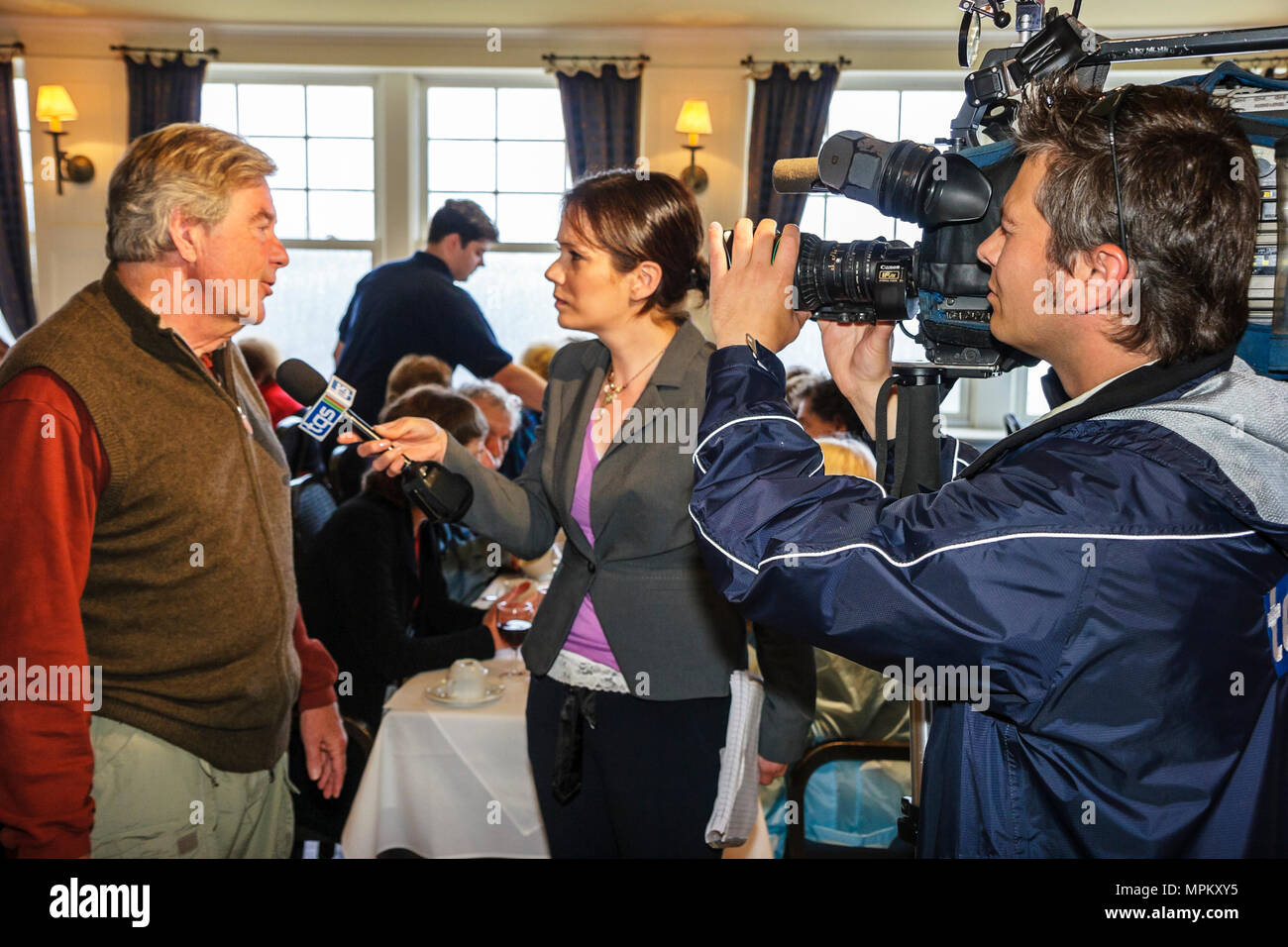
Viseur’s account is particularly poignant regarding the professional fallout of reporting such crimes. She stated that she initially filed a complaint in 2010 but later withdrew it, claiming she received very little support from the local film and television community at the time due to Bruel’s immense fame and standing in the industry. Her decision to resurface these claims highlights the psychological barrier many victims face when accusing a “national icon.”
Similarly, Daniela Elstner, the managing director of the French cinema and TV export agency Unifrance, has stepped forward with a police complaint. Elstner’s allegations date back to 1997 during the French Film Festival in Acapulco, Mexico. At the time, Elstner was working as an assistant in the early stages of her career. Her decision to go public and file a formal complaint serves as a catalyst for other women to come forward, signaling a shift in the willingness of industry professionals to challenge powerful figures.
Legal Proceedings and the Defense
The judicial response to these allegations is multifaceted. Because the alleged incidents took place in various cities and countries, multiple investigations have been launched. Currently, legal proceedings are active in Paris, Saint-Malo, and Brussels to determine the validity of the claims and whether criminal charges will be brought forward.
Patrick Bruel has remained steadfast in his denial. Through his lawyers, he has dismissed the allegations as “unfounded” and has denied any acts of violence. His defense strategy appears focused on challenging the credibility of the accusers and the timing of the complaints, some of which date back decades. In the French legal system, the statute of limitations can be a critical factor in cases of sexual assault, though recent legislative changes have sought to extend these windows for victims of certain types of violence.
The legal battle is not merely about individual incidents but about the interpretation of consent and the abuse of authority. The investigations are currently analyzing testimonies, timelines, and any available corroborating evidence to build a comprehensive case. The coordination between French and Belgian authorities is essential, as the accusations cross national borders, complicating the jurisdictional process.
Societal Impact and the “Falling Icon”
The fallout from these allegations has had a visible impact on Bruel’s public image. In France, he was long viewed as a romantic lead and a musical powerhouse. The transition from “icon” to “accused” has been marked by public protests, including feminist demonstrations in Provence where protesters gathered outside his hotel, signaling a societal refusal to overlook allegations of sexual violence regardless of the perpetrator’s status.

This case reflects a broader trend in France and Europe where the cultural threshold for accepting “eccentric” or “predatory” behavior by celebrities has collapsed. The involvement of Mediapart, a site known for its rigorous investigative journalism, has given the allegations a level of visibility and legitimacy that often forces the hand of the judiciary.
For the victims, the process of coming forward is often fraught with professional risk. The testimony of Karine Viseur regarding the lack of support in 2010 underscores the systemic failures of the entertainment industry to protect employees from harassment and assault. The current wave of complaints suggests a growing network of support for survivors, allowing them to bypass industry gatekeepers and go directly to the authorities.
Key Takeaways of the Case
- Multiple Accusers: Allegations have emerged from a group of women, including a Quebec journalist and high-ranking industry officials like Daniela Elstner.
- Geographic Scope: Investigations are ongoing in Paris, Saint-Malo, and Brussels, reflecting the international nature of the alleged incidents.
- Timeline: The accusations span nearly three decades, with reported incidents occurring between 1992 and 2019.
- Industry Power: Several accusers have cited Bruel’s fame and professional standing as a reason for their initial silence or lack of support from peers.
- Legal Status: Bruel denies all claims of violence; the cases are currently in the investigative phase to determine if formal charges will be filed.
As the investigations in Paris and Brussels continue, the next critical checkpoint will be the determination by prosecutors on whether there is sufficient evidence to move toward a formal trial. The outcome of these cases will likely set another precedent for how the French legal system handles historical sexual assault claims against public figures.
We will continue to monitor the court filings and official statements from the investigators in France and Belgium. Do you believe the entertainment industry has done enough to protect professionals from the abuse of power? Share your thoughts in the comments below.
Related reading