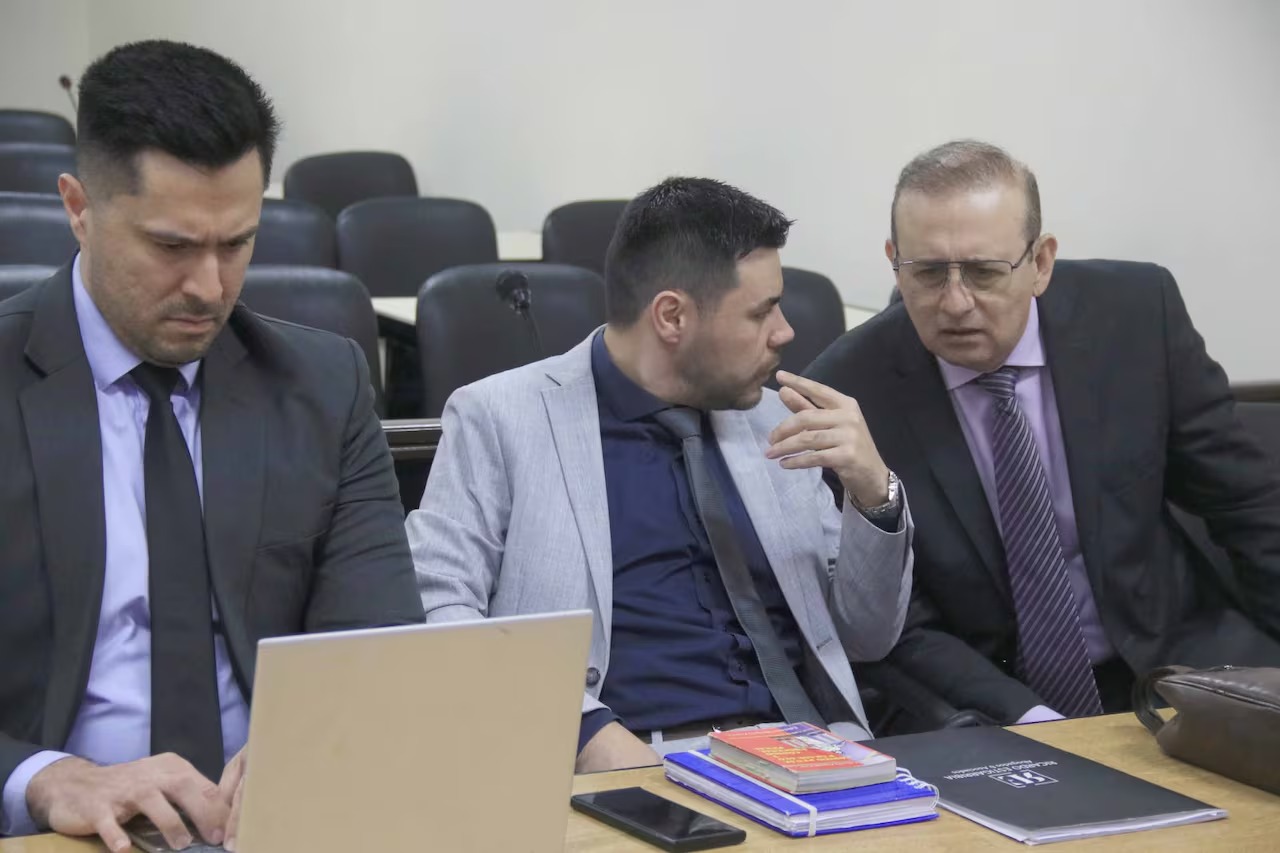
The political future of Senator Erico Galeano remains uncertain as his legal defense indicates that a decision regarding his resignation is currently tethered to private family considerations. This development comes amidst a period of significant legal turbulence for the legislator, who is currently operating under a leave of absence from his duties in the Paraguayan Senate.
Luis Fernando Almada, the legal representative for Senator Galeano, has become the primary voice for the defense as the Senator avoids direct engagement with the press. The intersection of judicial pressure and personal obligation has created a precarious situation for Galeano, whose tenure is now under scrutiny following a first-instance judicial ruling.
For global observers and investors monitoring the rule of law and institutional stability in South America, the resolution of this case serves as a barometer for how judicial mandates are navigated within the legislative branch. The tension between a legal sentence and the political will to remain in office often reflects deeper systemic struggles within national governance frameworks.
Legal Challenges and the Defense Strategy
The core of the current crisis stems from a first-instance sentence handed down against Senator Galeano. While the specific details of the ruling have sparked intense debate, his attorney, Luis Fernando Almada, has been vocal in dismissing the validity of the court’s decision. Almada has characterized the first-instance sentence as “totally unfounded,” suggesting that the judicial process failed to account for critical evidence or misinterpreted the legal framework applicable to the case.
In the legal systems of many Latin American jurisdictions, a first-instance sentence is not the final word. The defense is expected to pursue appeals to challenge the ruling, a process that can prolong the legal uncertainty for months or years. However, the immediate political pressure often outweighs the slow pace of the judiciary, forcing legislators to decide whether to hold their seats or step down to avoid further institutional damage.
The defense’s strategy appears to be two-pronged: aggressively challenging the legal merits of the conviction in court while simultaneously managing the public narrative regarding Galeano’s absence. By attributing the delay in a resignation decision to “family matters,” the defense shifts the conversation from a legal obligation to a personal struggle, potentially softening the public perception of the Senator’s reluctance to exit the political stage.
The Role of Family Considerations in Political Resignation
The assertion by Luis Fernando Almada that Galeano’s decision depends on a “family matter” introduces a human element into a strictly legal and political conflict. In high-stakes political environments, family dynamics often play a decisive role in whether a public official chooses to fight a legal battle from within the halls of power or retreat into private life to protect their kin from the glare of public scrutiny.
This narrative suggests that the Senator is weighing the impact of his professional standing against the well-being or requirements of his family. Whether this is a genuine personal crisis or a strategic delay tactic remains a point of contention among political analysts. Regardless, it places the decision-making process outside the realm of legislative ethics committees and into the private sphere, where We see far more difficult for political opponents to apply pressure.
Historically, the use of personal or family reasons to justify a delay in resignation has been a common occurrence in parliamentary systems globally. It allows the official to maintain a level of sympathy from their base while buying time to negotiate legal settlements or organize a political comeback.
Institutional Impact on the Senate
The continued ambiguity surrounding Galeano’s status creates a vacuum within the Senate. When a legislator remains in a state of “permission” or leave while facing criminal sentencing, it can hinder the legislative process and cast a shadow over the integrity of the body. The Senate must balance the presumption of innocence—a cornerstone of legal systems—with the need to maintain a standard of ethics that ensures public trust in government institutions.
The lack of a clear resolution also affects the representation of the Senator’s constituents. A seat that is effectively vacant, though technically occupied by a member on leave, means that a segment of the population is without an active voice in the legislative process. This institutional paralysis often fuels calls for stricter laws regarding the automatic suspension of officials facing specific types of judicial convictions.
What Happens Next: The Legal and Political Timeline
The immediate future for Erico Galeano will be determined by the timing of the appeals process and the internal pressure from his political party. If the defense successfully appeals the first-instance sentence, the “family matter” may be sidelined in favor of a triumphant return to office. However, if the appeals fail or if the judicial pressure intensifies, the window for a voluntary resignation may close, leading to a forced removal from office.
Key checkpoints to monitor include:
- The Filing of Appeals: The date by which the defense must formally challenge the first-instance ruling.
- Senate Ethics Review: Any potential movement by the Senate to review Galeano’s status regardless of the “family” justifications provided by his lawyer.
- Public Statements: Whether Senator Galeano eventually breaks his silence to address the press directly, bypassing Luis Fernando Almada.
As this situation evolves, the outcome will likely provide further insight into the intersection of family loyalty, legal defense, and political survival in the current Paraguayan landscape.
Next Confirmed Step: The legal team is expected to move forward with the appeals process against the first-instance sentence; however, no specific court date for the next hearing has been publicly confirmed at this time.
We invite our readers to share their perspectives on the balance between personal privacy and public accountability in the comments below.
Keep reading