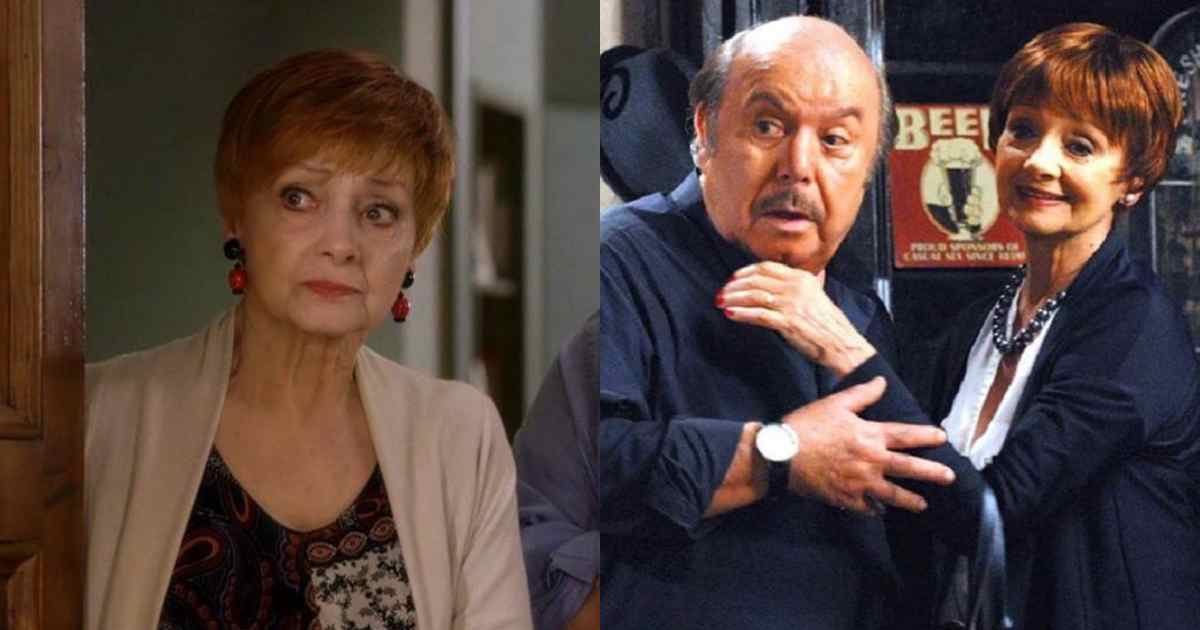
In the landscape of European television, few series have captured the heart of the domestic sphere as effectively as the Italian saga Un Medico in Famiglia. For years, the show served as a comforting mirror to the Italian family, blending the complexities of modern healthcare with the timeless dynamics of multi-generational households. Now, a poignant appeal from one of its most beloved stars has reignited a global conversation about the revival of this cultural touchstone.
Milena Vukotic, the actress who brought the spirited Nonna Enrica to life, has issued a direct and urgent call to the Italian public broadcaster, Rai, to bring the series back to the screen. Her plea is not merely one of professional ambition but of temporal urgency. In a candid reflection on the passage of time and the enduring bond between the show’s lead actors, Vukotic highlighted a desire to return to the set while the original spirit of the production can still be captured.
As a physician and health journalist, I have often observed how “medical” dramas can either alienate the public with sterile clinicalism or bridge the gap through human-centric storytelling. Un Medico in Famiglia did the latter, portraying the family physician not just as a prescriber of medicine, but as a pillar of community health and emotional support. The desire for its return speaks to a broader societal longing for the stability and warmth that the series represented during its original run.
“We Are Not Immortal”: The Urgency of the Appeal
The catalyst for this renewed interest was an interview with the weekly magazine Oggi, where Vukotic spoke openly about her relationship with her long-time co-star, Lino Banfi, who played the iconic Nonno Libero. The chemistry between the two characters—the bickering yet deeply affectionate grandparents—formed the emotional backbone of the series, providing a blueprint for how aging and companionship are portrayed on screen.

Vukotic revealed that she and Banfi remain in daily contact, sharing a mutual dream of reuniting on the set of the fiction. However, her appeal to the executives at Rai was underscored by a sobering reminder of human fragility. “Rai needs to hurry up; we are not immortal,” she stated, emphasizing that the window of opportunity to bring back the original cast is closing.
This statement transcends a simple request for a job; it is a commentary on the nature of legacy in the arts. For the viewers, the return of Nonna Enrica and Nonno Libero would represent a reunion with a version of “home” that felt accessible and safe. For the actors, it is a chance to provide a definitive coda to characters that have become intrinsic parts of their own identities.
The Cultural Architecture of a Medical Saga
To understand why a revival of Un Medico in Famiglia carries such weight, one must look at the role of the “family doctor” in the Italian social fabric. The series centered on the Martini family, revolving around the professional and personal life of a physician. In my experience practicing internal medicine and reporting on healthcare policy, the “family doctor” model—where a single practitioner knows the medical history of three generations of a family—is a gold standard of holistic care that is increasingly rare in the era of specialized, fragmented medicine.

The show romanticized this connection, presenting the clinic not just as a place of treatment, but as a community hub. By blending medical vignettes with domestic comedy, the series humanized the healthcare profession, making the doctor a relatable figure of trust. This narrative approach likely contributed to the show’s immense popularity, as it validated the importance of empathy in medicine.
The appeal by Vukotic comes at a time when “nostalgia television” is seeing a significant resurgence. The recent return of other family-centric dramas, such as I Cesaroni, has demonstrated that audiences are currently gravitating toward “comfort viewing”—shows that offer predictable, warm and family-oriented narratives as a respite from the volatility of the modern global climate.
Obstacles to a Reunion: The Casting Puzzle
Despite the public enthusiasm and Vukotic’s appeal, a revival of a series with such a vast cast is a logistical challenge. The “nostalgia effect” only works if the core emotional anchors of the show return. While the bond between Vukotic and Banfi remains strong, other key figures from the original ensemble may be harder to reintegrate.
Industry analysts suggest that the primary hurdle for Rai would be the availability and willingness of the younger cast members to return to roles they played decades ago. The transition from “children” to “adults” in a revival often requires a narrative leap that can either alienate long-time fans or feel forced. The absence of certain original cast members could leave a void that no amount of nostalgia can fill.
However, the urgency expressed by Vukotic suggests that the emotional value of the reunion outweighs the logistical difficulties. The prospect of seeing Nonno Libero and Nonna Enrica one last time provides a narrative closure that is often more valuable to an audience than a perfectly polished, full-cast reboot.
Key Elements of the Appeal
| Focus Area | Details |
|---|---|
| Primary Goal | The return of Un Medico in Famiglia to Rai television. |
| Key Partnership | Reuniting with Lino Banfi (Nonno Libero). |
| Core Motivation | Temporal urgency (“we are not immortal”). |
| Catalyst | The success of other family-saga revivals in Italy. |
What This Means for the Future of Italian Fiction
The debate over the return of Un Medico in Famiglia highlights a tension in modern broadcasting: the balance between innovating for new audiences and honoring the legacies that built the network’s loyalty. For a public broadcaster like Rai, the decision to revive a classic is often a calculation of risk versus guaranteed viewership. Given the current trend toward family-centric storytelling, the risk appears minimal compared to the potential emotional payoff.
From a public health communication perspective, there is also an opportunity here. A modern iteration of the show could address contemporary health challenges—such as the integration of telemedicine, the mental health crisis in youth, or the complexities of geriatric care—while maintaining the warmth and accessibility that made the original a success. It could serve as a vehicle for promoting healthy family dynamics and the importance of primary care in a modern world.
As we wait to see if Rai executives will heed the call of Milena Vukotic, the conversation itself serves as a reminder of the power of storytelling to bind generations together. The “medicine” provided by such shows is not clinical, but emotional—a form of social healing that reminds us of the importance of kinship, patience, and the enduring love of grandparents.
The next confirmed development will be the official response, or lack thereof, from Rai’s programming department regarding the upcoming fiction slate. We will continue to monitor official announcements from the broadcaster for any confirmation of a production greenlight.
Do you believe classic family sagas should be revived, or is it better to leave them as nostalgic memories? Share your thoughts in the comments below.