
Global energy markets were thrown into turmoil this week as oil prices surged to $114 following a series of Iranian strikes on a strategic United Arab Emirates port. The escalation marks a critical breakdown in regional stability, threatening a fragile four-week ceasefire between the United States and Iran and raising immediate concerns over the security of the Strait of Hormuz.
The violence centered on the Fujairah Oil Industrial Zone, where the UAE reported a large fire resulting from an Iranian drone strike. According to the Emirati Defense Ministry, the state’s air defenses successfully intercepted three of four incoming cruise missiles. Despite these defenses, the attacks resulted in three people being hospitalized and prompted the UAE to issue its first missile alerts to residents since the inception of the April 8 ceasefire.
This sudden flare-up in the Persian Gulf has not only endangered critical infrastructure but has also drawn the United States directly into the fray. US Central Command (CENTCOM) reported that American forces engaged in combat to repel an array of Iranian drones, missiles, and small boats while ensuring the safe passage of two US-flagged vessels. President Donald Trump confirmed the intensity of the encounter via Truth Social, stating that the US had “shot down seven small boats” during the confrontation.
The Collapse of the April Ceasefire
The recent hostilities signal the near-collapse of a diplomatic truce that had held since early April. The tension escalated further following the announcement of “Project Freedom,” a US initiative designed to guide neutral ships—many of which were reportedly running low on food—out of the volatile waterway. This move appears to have triggered a sharp response from Tehran.
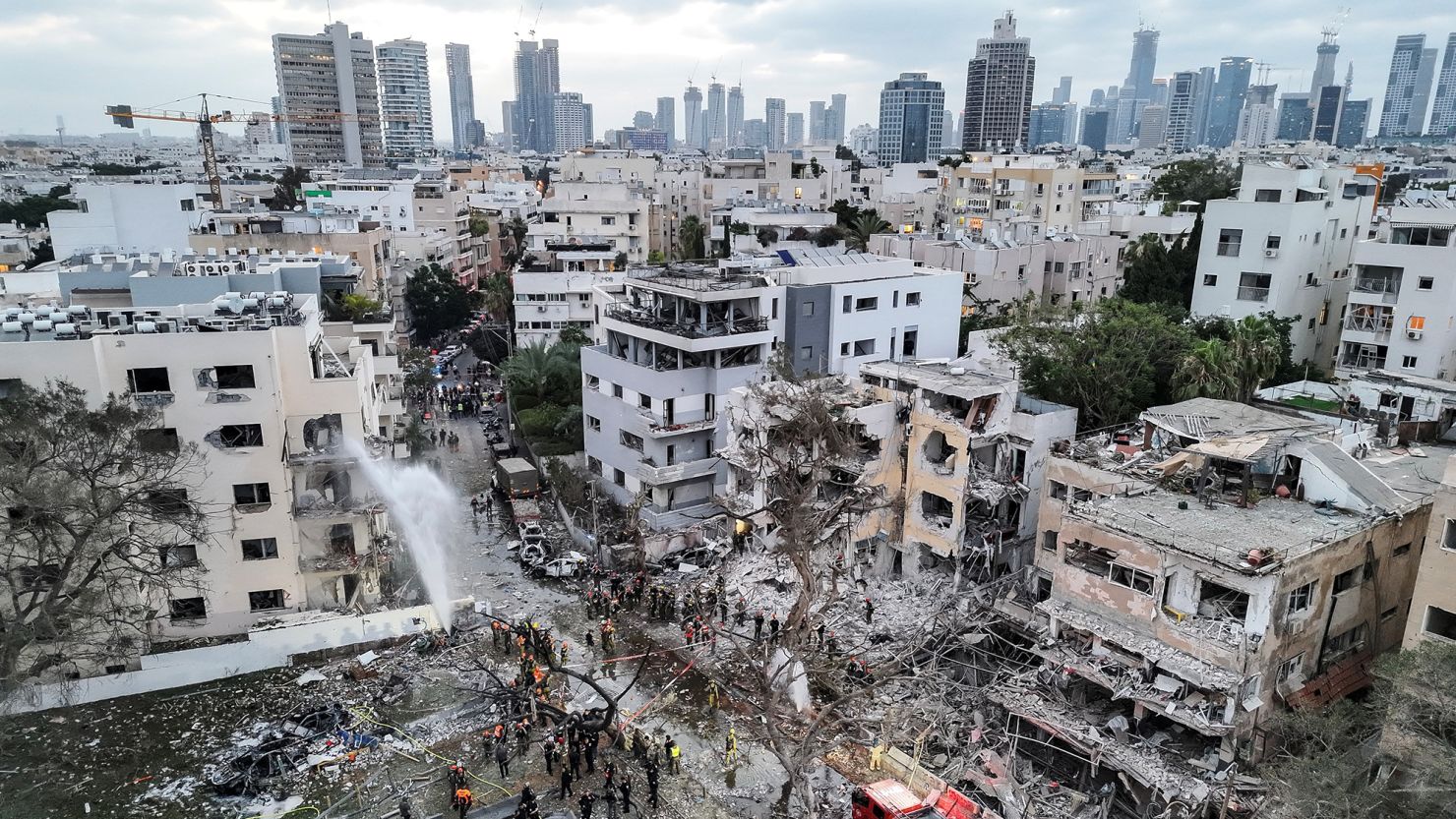
In the aftermath of the strikes, Iranian state-affiliated media outlets provided conflicting narratives of the engagement. The semi-official Fars news agency claimed that the Islamic Republic had fired shots at US Navy ships, while the Tasnim news agency announced that Iran has “redefined the control zone” within the Strait of Hormuz to regulate shipping traffic, a move that typically signals increased Iranian assertiveness over the world’s most vital oil chokepoint.
The broader geopolitical implications were highlighted by former Israeli Prime Minister Naftali Bennett, who viewed the strikes on the UAE as a strategic shift. Bennett characterized the events as “a declaration of the renewal of Iran’s war against the allies of the United States and Israel” across the region.
Economic Shockwaves and Oil Price Volatility
The immediate impact of the conflict was felt most acutely in the global commodities market. The threat to the Strait of Hormuz—through which a significant portion of the world’s petroleum passes—sent global oil prices soaring to $114. This price spike reflects investor anxiety over potential supply disruptions and the possibility of a wider regional war.
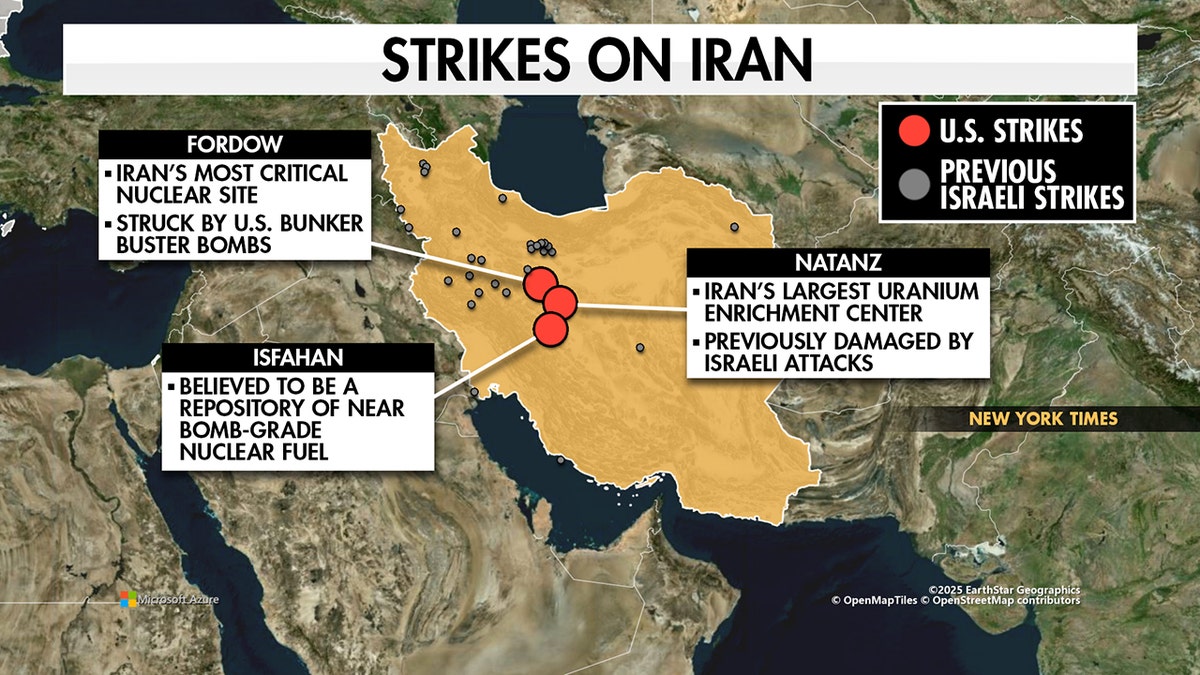
For global economies, such volatility in oil pricing often leads to increased transportation costs and inflationary pressure on consumer goods. The targeting of the Fujairah Oil Industrial Zone is particularly significant, as Fujairah serves as one of the world’s most important bunkering and oil storage hubs, making it a high-value target for those seeking to disrupt global energy flows.
Strategic Stakes in the Strait of Hormuz
The Strait of Hormuz remains the primary flashpoint in this confrontation. By “redefining the control zone,” Iran is leveraging its geographical position to exert pressure on international shipping and the US-led coalition. The introduction of “Project Freedom” by the US administration suggests a shift toward more active maritime escort operations to prevent neutral shipping from becoming collateral damage in the escalating tension.
The current situation represents a complex intersection of military posturing and economic warfare. While the UAE has focused on missile interception and civilian safety, the US is managing a dual-track approach of tactical defense and strategic guidance of neutral vessels. Meanwhile, Iran continues to challenge the established maritime boundaries and the presence of Western naval forces in the Gulf.
As the international community monitors the situation, the primary concern remains whether this exchange of fire will lead to a full-scale conflict or if a new diplomatic framework can be established to replace the failed April 8 ceasefire.
The next critical checkpoint will be the official response from the Iranian government regarding the redefined control zones and any further updates from US Central Command regarding the status of “Project Freedom” and the security of US-flagged vessels in the region.
World Today Journal encourages readers to share this report and leave their thoughts in the comments section regarding the impact of energy price volatility on their local economies.
Related reading