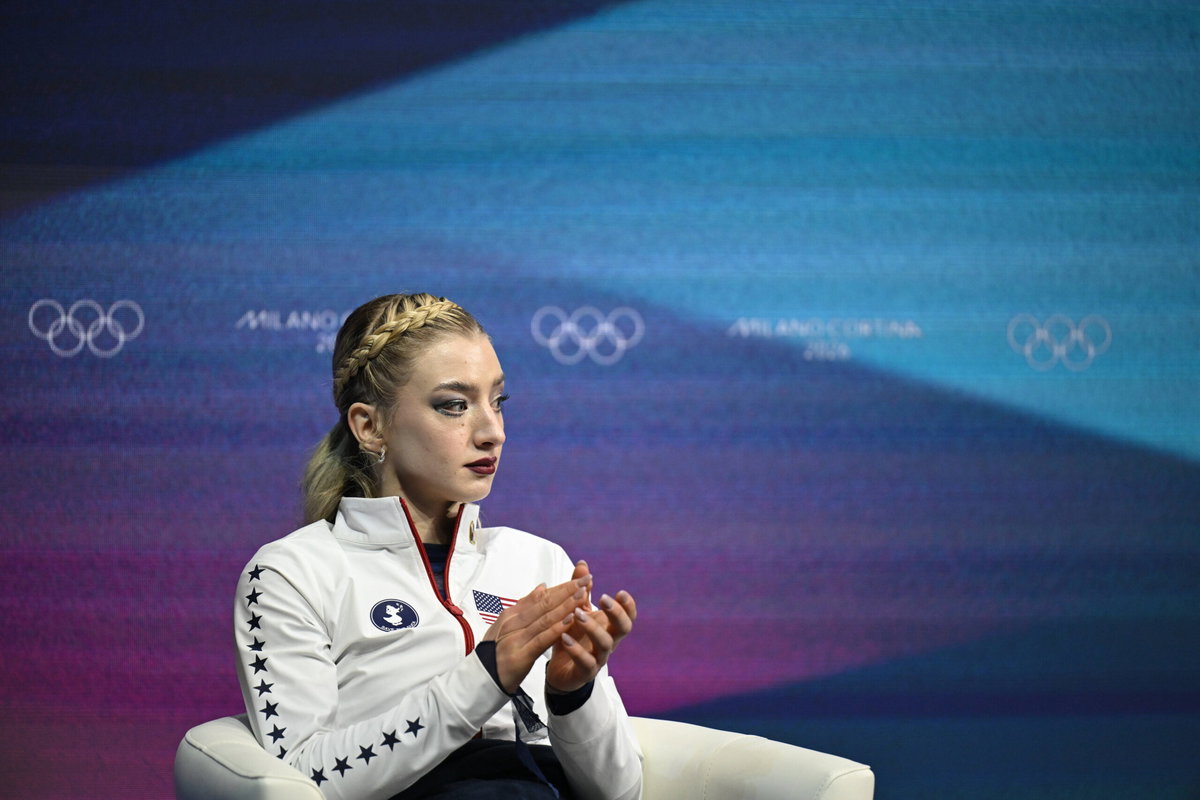
The triumph of a gold medal is often framed as the pinnacle of an athlete’s career, a moment of pure celebration and national pride. But for American figure skater Amber Glenn, the glory of Team USA’s victory at the 2026 Winter Olympics in Milano Cortina has been shadowed by a jarring wave of online hostility.
Glenn, a first-time Olympian, found herself at the center of a digital firestorm following her public advocacy for the LGBTQ community. While the athlete celebrated a team event gold on Feb. 8, 2026, she revealed that the accompanying public discourse had taken a dark turn, leaving her to navigate a landscape of vitriol that she described as “outlandish.”
The conflict highlights a growing tension in international sports: the intersection of athlete visibility and political expression. For Glenn, who is both a member of the LGBTQ community and an outspoken advocate for mental health awareness, the decision to use her platform was not a casual one, but a necessary stand for human rights during a period of significant social friction.
The Cost of Advocacy in the Olympic Spotlight
The backlash began to intensify after Glenn spoke with reporters on Feb. 4, 2026, regarding the political climate in the United States. When asked about President Donald Trump’s approach to the LGBTQ community, Glenn noted that “it’s been a hard time for the community overall.” She emphasized that the fight for human rights is an ongoing struggle, stating, “It isn’t the first time that we’ve had to come together as a community and try and fight for our human rights.”
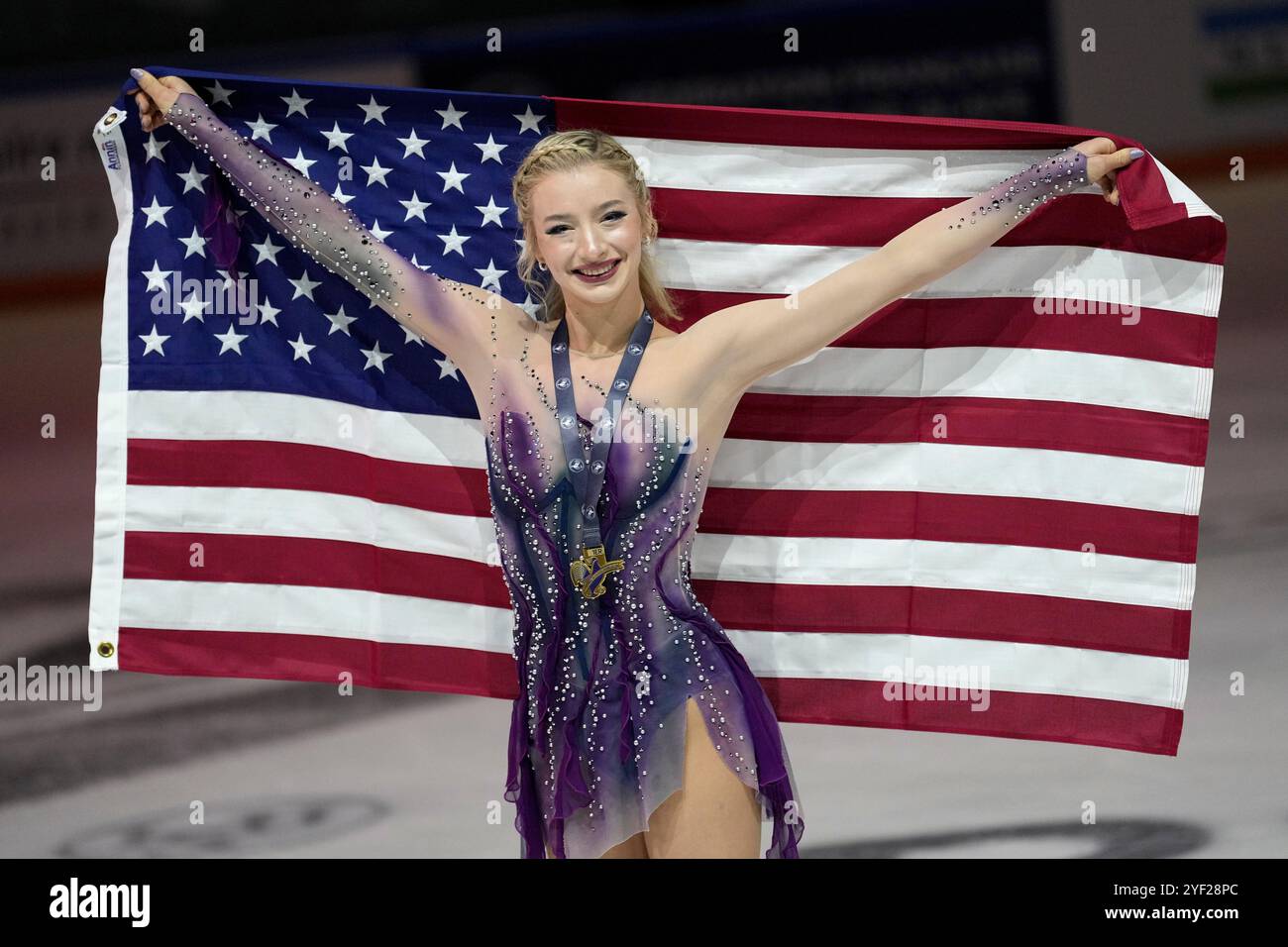
As the Games progressed, the response from some segments of the public shifted from disagreement to personal attacks. Speaking after the team event gold on Feb. 8, Glenn admitted she “couldn’t believe the outlandish backlash” she received for simply supporting people. The intensity of the hate was unprecedented for the skater, who noted that she had “never had so many people wish me harm before.”
Glenn acknowledged that the negativity impacted her experience in Milan, stating that the hostility “kind of lowered that excitement” for the achievement of winning gold. Despite the emotional toll, she remains resolute in her decision to remain vocal about the issues that affect her community and the broader public.
A Commitment to ‘Speaking Truth’
For Glenn, the backlash serves as a reminder of the risks associated with athlete activism, but it has not silenced her. She has made it clear that she will not retreat from her beliefs, regardless of the online climate. “I’m gonna keep speaking my truth,” Glenn said. “I’m gonna keep representing what I believe in and what I think all Americans believe in, which is freedom and being able to love and do what you want.”
This resolve is rooted in a broader philosophy of inclusivity. Glenn believes that the current political and social environment has forced various marginalized groups to find strength in unity. She observed that the challenges facing the queer community are now mirrored in “many other communities,” suggesting that this shared struggle has actually “made us a lot stronger” by enabling different groups to support one another in new ways.
Beyond her LGBTQ advocacy, Glenn has long been a proponent of mental health awareness. By combining these two causes, she aims to provide a visible example of resilience for other athletes and fans who may feel isolated or targeted by similar societal pressures.
The Broader Impact on Athlete Expression
The experience of Amber Glenn in Milan is emblematic of a wider trend where athletes are increasingly viewed as cultural and political figures as much as sporting competitors. The “outlandish backlash” she faced underscores the volatility of social media during high-stakes global events, where a single interview can trigger a cascade of global reactions.

However, the support Glenn has received also points to a shifting tide. While the hate was loud, she noted that she continues to have people supporting her. This dichotomy suggests that while political polarization remains high, there is a significant and growing audience that values athletes who prioritize human rights and mental health over the traditional “apolitical” athlete persona.
As the 2026 Winter Games continue, Glenn’s journey serves as a case study in the complexities of modern stardom. The ability to win gold on the ice is one feat; the ability to maintain one’s integrity and voice in the face of global scrutiny is another entirely.
With the Olympic schedule moving forward, the sporting world will be watching not only Glenn’s technical performances but also how she continues to navigate her role as an advocate on the world stage. Her insistence on moving forward with positivity, despite the harm wished upon her, marks a definitive chapter in her career as an Olympian.
World Today Journal encourages readers to share their thoughts on athlete advocacy in the comments below. Do you believe athletes should use their platforms for political expression during the Olympics?
Related reading