For decades, the global perception of Swiss wealth has been wrapped in a certain kind of mystery. To the outside observer, Switzerland appears as a landlocked anomaly: a country with virtually no natural resources, no vast colonial empire, and a small domestic market, yet it consistently ranks among the wealthiest nations on Earth. The prevailing narrative often attributes this success to a simple formula of strict neutrality and the legendary secrecy of its banking sector.
However, these explanations often skim the surface, treating the “Swiss miracle” as a stroke of geopolitical luck rather than a systemic achievement. In his recent analysis, Why Switzerland Became Rich: Facts and Myths of an Economic Miracle, historian Markus Somm challenges these shorthand explanations. He argues that the country’s prosperity was not the result of a single “secret ingredient” but rather a complex convergence of industrial adaptation, human capital investment, and a unique political framework.
Understanding why Switzerland became rich requires stripping away the myths of the “golden vault” and looking instead at the gritty reality of 19th-century factories, the evolution of precision engineering, and a societal commitment to vocational excellence. By examining the intersection of history and economics, it becomes clear that the Swiss model is less about avoiding the world’s problems and more about strategically integrating into the global economy through high-value specialization.
As the world grapples with shifting trade paradigms and the rise of digital economies, the Swiss trajectory offers a blueprint for how small states can leverage intellectual property and political stability to maintain a competitive edge. For those seeking to understand the mechanics of sustainable national wealth, the Swiss example provides a masterclass in economic resilience.
Deconstructing the Myths: Neutrality and Banking
The most common explanation for Swiss wealth is the country’s long-standing policy of neutrality. The logic is intuitive: by avoiding the devastation of the World Wars and the Napoleonic conflicts, Switzerland preserved its infrastructure and capital while its neighbors were reduced to rubble. While neutrality undoubtedly provided a stable environment, Somm and other historians suggest that neutrality alone does not create wealth; it merely protects it.
Similarly, the Swiss banking sector is often cited as the primary engine of prosperity. While the financial hub of Zurich and Geneva is globally significant, the “banking myth” often confuses cause, and effect. The rise of Switzerland as a financial center was largely a result of the country’s existing stability and wealth, rather than the original cause of it. Wealthy individuals and nations sought refuge in Switzerland because it was already a safe, stable, and prosperous place to store assets.
True economic growth, according to the historical record, was driven by the “real economy”—the production of tangible goods. Switzerland’s ability to pivot from a poor, agrarian society to an industrial powerhouse was not a byproduct of banking secrecy, but of a relentless drive toward specialization in niches where quality could trump quantity.
The Industrial Pivot: From Textiles to Precision Engineering
The foundation of the Swiss economic miracle was laid in the 19th century through a series of strategic industrial shifts. Initially, Switzerland leaned heavily into the textile industry, particularly cotton and silk. However, the country quickly realized that it could not compete with the massive industrial scale of Great Britain or the low labor costs of other regions.
Instead of competing on volume, Swiss entrepreneurs shifted toward high-value-added products. This transition led to the birth of the modern Swiss watch industry, where “Swiss Made” became a global benchmark for precision and reliability. This obsession with precision engineering eventually bled into other sectors, paving the way for the development of the chemical and pharmaceutical industries.
By the early 20th century, Switzerland had successfully transitioned its economy toward sectors with high barriers to entry. Today, this legacy persists in the country’s dominance in pharmaceuticals and biotechnology. According to the World Bank, Switzerland’s GDP per capita remains among the highest globally, a reflection of its ability to export high-margin, specialized goods rather than bulk commodities.
The Role of Human Capital and Vocational Training
A critical, yet often overlooked, factor in the Swiss success story is the country’s approach to education. Switzerland did not simply build factories; it built a workforce capable of operating the most complex machinery in the world. The “Swiss model” of education is characterized by a dual-track system that blends traditional academic schooling with rigorous vocational training.
In this system, a significant portion of students enter apprenticeships early, learning a trade on-the-job while attending school for theoretical knowledge. This ensures that the labor market is perfectly aligned with industrial needs, minimizing youth unemployment and ensuring a constant stream of highly skilled technicians. This commitment to “human capital” allowed Switzerland to maintain its edge in precision manufacturing even as other nations industrialized.
This educational philosophy creates a culture of lifelong learning and technical mastery. By valuing the master craftsman as much as the university professor, Switzerland created a social infrastructure that supported its industrial ambitions. The result is a workforce that is not just literate, but technically proficient in ways that are difficult for competitors to replicate quickly.
Political Stability and the Framework of Direct Democracy
Economic prosperity requires more than just skilled workers and smart products; it requires a predictable environment. Switzerland’s political system, characterized by federalism and direct democracy, has provided a level of stability that is nearly unparalleled globally. The ability of citizens to propose initiatives and referendums ensures that major policy shifts are generally the result of broad consensus rather than the whims of a volatile political elite.
This “consensus democracy” reduces the risk of radical policy swings, which is highly attractive to long-term investors and business owners. When the rules of the game are stable and transparent, companies are more likely to invest in long-term research and development—a necessity for the pharmaceutical and precision engineering sectors.
the decentralized nature of the Swiss cantons encourages a form of internal competition. Cantons often compete to offer the most attractive business environments, leading to efficient administration and lean governance. This internal dynamism, balanced by a strong national identity and a commitment to peace, created the ideal ecosystem for economic growth.
Key Takeaways: The Drivers of Swiss Wealth
- Beyond Neutrality: While neutrality protected assets, it was not the primary engine of wealth creation.
- High-Value Specialization: Switzerland moved from bulk textiles to precision engineering, watches, and pharmaceuticals.
- Dual-Track Education: A strong vocational training system ensured the workforce could meet the demands of high-tech industry.
- Political Predictability: Direct democracy and federalism created a stable, low-risk environment for long-term investment.
- Banking as a Result: The financial sector grew as a consequence of existing stability and prosperity, not as the sole cause.
What This Means for the Global Economy
The Swiss example challenges the notion that a country needs vast natural resources or a massive population to achieve economic dominance. Instead, it suggests that “smart specialization”—focusing on niches where quality and innovation provide a competitive moat—is a viable path for any nation, regardless of size.
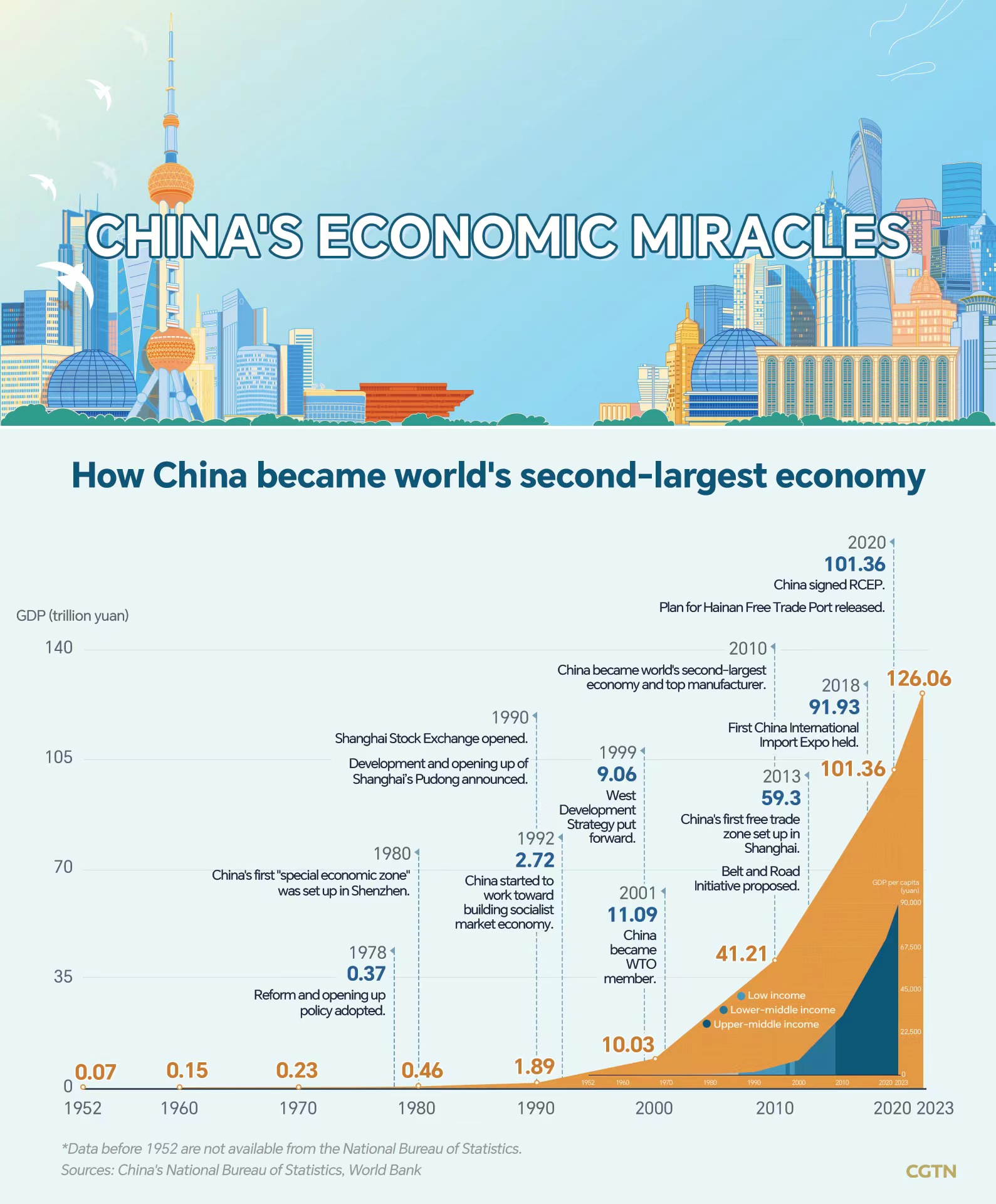
In the modern era, the “Swiss model” is evolving. The country is no longer just about watches and banks; it is a leader in robotics, life sciences, and sustainable technology. The ability to adapt while maintaining a core commitment to quality remains the hallmark of its economic strategy. For other nations, the lesson is clear: investing in human capital and maintaining political stability are the most reliable precursors to long-term wealth.
As we look toward the future of global trade, the Swiss trajectory suggests that the most resilient economies are those that can pivot their industrial base without losing their technical expertise. The “miracle” was not a miracle at all, but a disciplined, centuries-long process of adaptation and investment.
For those interested in tracking Switzerland’s current economic standing and policy shifts, the Swiss Federal Administration provides official updates on trade agreements, economic reports, and legislative changes.
The next major checkpoint for Swiss economic analysis will be the release of the upcoming annual global competitiveness reports, which will highlight how the country is navigating the transition to a fully digitized financial and industrial landscape.
Do you believe the Swiss model of vocational training could be replicated in other education systems? Share your thoughts in the comments below or share this analysis with your network.
Keep reading