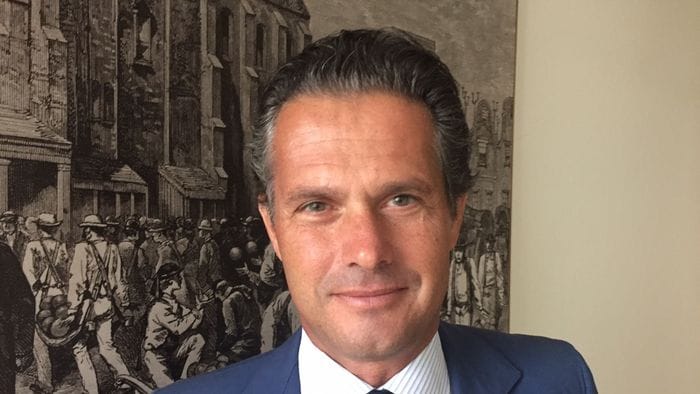
The industrial landscape of Lombardy is entering a new chapter as Confindustria Bergamo transitions its leadership under the presidency of Matteo Zanetti. In a move designed to align the region’s manufacturing prowess with the demands of a digital-first global economy, Zanetti has unveiled a strategic program and a supporting presidency team focused on modernization, sustainability, and the critical challenge of human capital acquisition.
For the global business community, the leadership shift at Confindustria Bergamo is more than a local administrative change. Bergamo serves as one of Italy’s most vital industrial hubs, characterized by a high density of specialized tiny and medium-sized enterprises (SMEs) that anchor global supply chains in machinery, automotive components, and high-end textiles. The appointment of Zanetti—a leader with deep roots in the industrial sector through his role with Gruppo INAZ—signals a commitment to bridging the gap between traditional Italian craftsmanship and the rigorous requirements of Industry 4.0.
Zanetti, who was identified as the sole designated candidate for the presidency by the General Council in January 2026, assumes the role at a time when the “Made in Italy” brand faces a dual pressure: the need to decarbonize production processes and the urgent requirement to integrate artificial intelligence into the factory floor. His program is not merely a set of goals but a roadmap for maintaining the competitiveness of the Bergamo territory against rising international competition.
Strategic Pillars: Innovation, Sustainability, and Talent
The core of the new presidency’s program rests on three interdependent pillars. The first is the accelerated adoption of digital technologies. While many firms in the Bergamo region have adopted basic automation, Zanetti’s vision emphasizes the transition toward “smart factories.” This involves the integration of the Industrial Internet of Things (IIoT) and data analytics to optimize energy consumption and reduce waste, effectively merging digital efficiency with environmental stewardship.
Sustainability is the second pillar, framed not as a regulatory burden but as a competitive advantage. With the European Union’s tightening ESG (Environmental, Social, and Governance) mandates, the new leadership aims to support local SMEs in navigating the transition to a circular economy. By fostering a regional ecosystem where waste from one company becomes the raw material for another, Confindustria Bergamo seeks to insulate its members from the volatility of global raw material markets.
However, the most pressing concern addressed in the program is the “talent gap.” Italy has faced a persistent mismatch between the skills provided by the education system and the technical requirements of modern industry. Zanetti has prioritized the creation of stronger synergies between industrial firms and vocational training centers. The goal is to revitalize the appeal of technical careers for the younger generation, ensuring that the region’s specialized knowledge is preserved and evolved rather than lost to attrition.
The Presidency Team: A Collaborative Governance Model
To execute this ambitious program, Zanetti has assembled a presidency team designed to represent the diverse sectors of the Bergamo economy. This team is structured to function as a strategic cabinet, with specific delegates focusing on the most volatile areas of industrial policy. The composition of the team reflects a desire for a balanced approach, blending the experience of established industrial titans with the agility of younger entrepreneurs.
The roles within the presidency team are focused on several key operational areas:
- Digital Transformation: Tasked with identifying the most effective AI tools for SME implementation and facilitating knowledge transfer between tech leaders and traditional manufacturers.
- Energy Transition: Focused on securing the infrastructure and funding necessary for companies to shift toward renewable energy sources.
- Labor and Education: Working directly with regional authorities to reform technical curricula and streamline the recruitment of specialized technicians.
- Internationalization: Helping local firms expand their footprint in emerging markets, ensuring that the “Made in Italy” quality remains a premium selling point globally.
This collaborative structure is intended to move Confindustria Bergamo away from a top-down leadership style toward a more networked model of governance. By distributing responsibility across a specialized team, the organization can respond more rapidly to economic shocks and legislative changes coming from both Rome, and Brussels.
Economic Analysis: The ‘Bergamo Model’ in a Global Context
From an economic perspective, the leadership transition at Confindustria Bergamo occurs during a pivotal moment for the Italian industrial district model. For decades, the strength of regions like Bergamo has been their “industrial districts”—clusters of small, highly specialized firms that collaborate and compete simultaneously. However, the scale of modern digital transformation often requires investments that exceed the capacity of a single SME.
Zanetti’s program recognizes this systemic vulnerability. By leveraging the collective power of Confindustria, the presidency aims to create “shared innovation hubs.” These hubs allow smaller companies to access expensive technology and expert consultancy that would otherwise be cost-prohibitive. This strategy effectively scales the SME, allowing it to maintain its agility while gaining the technological capabilities of a much larger corporation.
the focus on the “human element” is a necessary correction. The industrialization of the 21st century is as much about cognitive skills as it is about mechanical precision. By focusing on the “squadra” (team) and the educational pipeline, Zanetti is addressing the risk of “industrial hollow-out,” where the physical infrastructure exists, but the intellectual capital to operate it has vanished.
What This Means for Stakeholders
For the business owners within the Bergamo province, the new presidency offers a more proactive form of representation. The shift toward a program based on specific, measurable goals—rather than general advocacy—suggests a more entrepreneurial approach to industrial leadership. Businesses can expect more targeted support in navigating the complexities of the European Green Deal and the various national incentives for digitalization.
For international investors and partners, the stability and forward-looking nature of this transition are positive indicators. A clear, publicized program reduces uncertainty and signals that the region is committed to maintaining its status as a high-tech manufacturing hub. The emphasis on ESG and digitalization makes the region’s firms more attractive partners for global corporations seeking sustainable and technologically advanced suppliers.
Key Strategic Objectives for the New Term
| Objective | Primary Focus | Expected Outcome |
|---|---|---|
| Digital Integration | AI and IIoT adoption in SMEs | Increased operational efficiency and reduced waste |
| Green Transition | Circular economy and decarbonization | Compliance with EU ESG mandates; lower energy costs |
| Human Capital | Vocational training and youth recruitment | Reduction in the technical skills gap |
| Global Outreach | Market diversification for local firms | Reduced dependence on single-market volatility |
Looking Ahead: The Path to Implementation
The presentation of the program is the first step in a broader implementation phase. The immediate focus for the Zanetti presidency will be the establishment of the working groups tasked with the “Digital and Green” transition. These groups will likely serve as the primary interface between the presidency team and the member companies, turning high-level strategic goals into actionable business plans.

The success of this leadership term will be measured not by the ambition of the program, but by the rate of adoption among the region’s smallest firms. The true test for Matteo Zanetti and his team will be their ability to convince the traditionalist elements of the industrial community that the risks of stagnation far outweigh the risks of transformation.
The next confirmed milestone for the organization will be the first quarterly review of program implementation, where the presidency is expected to provide updates on the progress of the newly formed vocational partnerships and the first wave of digital transition grants for member companies.
We invite our readers to share their perspectives on the evolution of industrial districts in the comments below. How can traditional manufacturing hubs best balance heritage with high-tech innovation?