
Emergency services in Oslo are currently responding to a fire involving multiple vehicles, according to official reports from the city’s fire department.
The incident has triggered a deployment of firefighting units to the scene to contain the blaze and prevent further spread to nearby structures or additional vehicles. While the exact location within the city has not been detailed in initial alerts, the scale of the response indicates a concentrated effort to manage the risk associated with multiple burning units.
The situation is being managed by the Oslo Fire and Rescue Service, which is tasked with mitigating the hazards posed by vehicle fires, including the potential for toxic smoke and the volatility of fuel or battery systems.
Emergency Response and Official Confirmation
The response was initiated following reports of a vehicle fire, which quickly escalated in scope. The involvement of several vehicles has necessitated a coordinated effort to secure the perimeter and extinguish the flames.
Øyvind Hammervold, an operations leader for the fire department, confirmed the severity of the situation. He stated that It’s confirmed that several vehicles are burning, signaling that the incident is more complex than a single-vehicle fire.
Fire crews are currently working to determine the origin of the blaze and whether the fires started independently or spread from one vehicle to another. In urban environments like Oslo, multi-vehicle fires often present significant challenges due to the proximity of cars in parking areas or along narrow streets, which can create a “domino effect” of ignition.
The Role of Oslo Fire and Rescue Service (OBRE)
The Oslo Fire and Rescue Service (OBRE) is the primary agency responsible for fire prevention and emergency response within the capital. Their operational mandate includes not only firefighting but also technical rescue, hazardous materials handling, and ensuring the safety of the public during critical incidents.
When an operations leader such as Øyvind Hammervold confirms a multi-vehicle fire, it typically triggers a specific set of protocols. These include the establishment of a safety zone to protect bystanders from heat and smoke, the deployment of specialized foam or water-based extinguishing agents, and coordination with the Norwegian Police Service to manage traffic diversions and site security.
The complexity of modern vehicle fires—particularly those involving electric vehicles (EVs), which are prevalent in Oslo—often requires specialized cooling techniques and extended monitoring to prevent “thermal runaway,” where a battery can reignite hours after the initial flames are extinguished.
Public Safety and Guidance
Authorities advise residents and commuters in the affected area to avoid the immediate vicinity of the smoke plume. Vehicle fires can release a variety of hazardous chemicals, including carbon monoxide and hydrogen cyanide, depending on the materials burning.
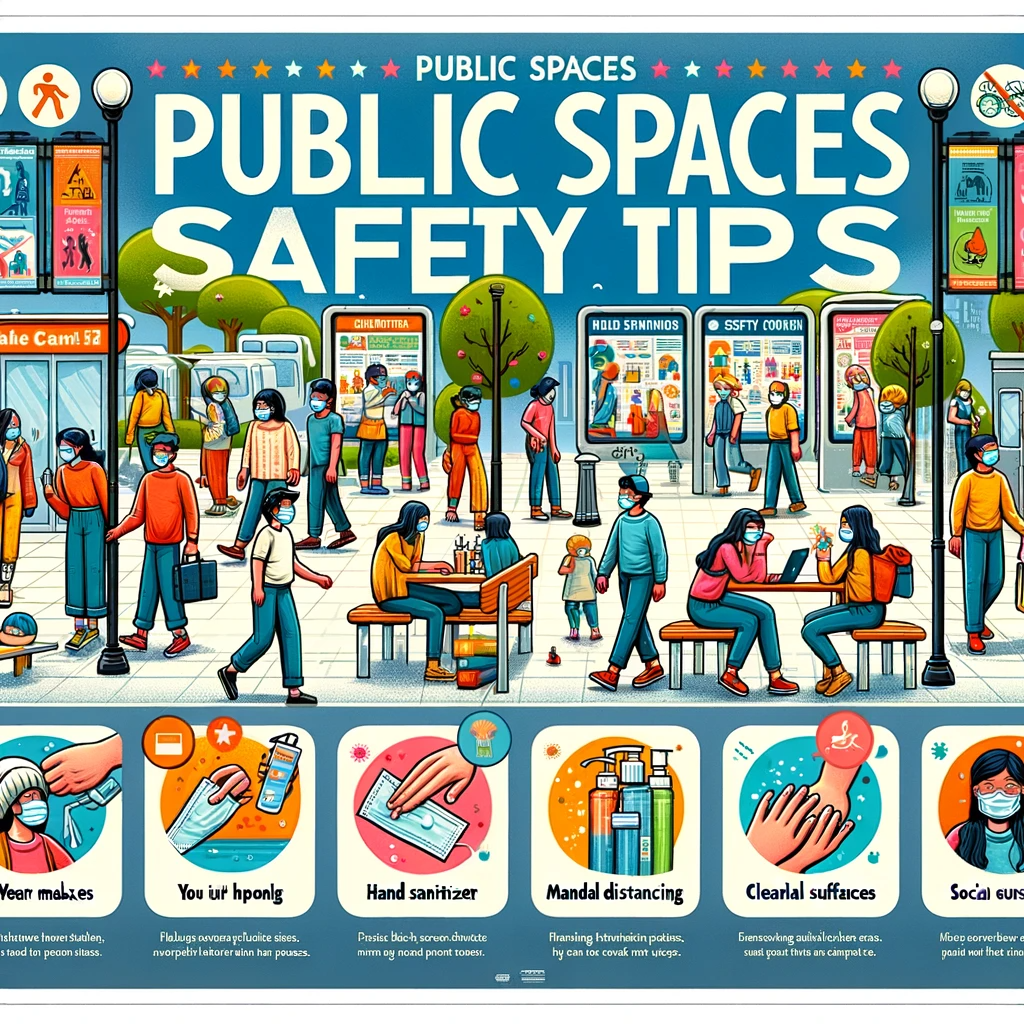
For those in the general area, the following safety measures are recommended:
- Avoid the scene: Keep roads clear for emergency vehicles to ensure rapid access, and egress.
- Close windows: If you are in a nearby building and can smell smoke, close windows and ventilation systems to minimize inhalation of particulates.
- Follow official directions: Adhere to all instructions provided by police and fire personnel on the ground.
As the operation continues, the focus remains on the complete extinguishment of all involved vehicles and a subsequent investigation into the cause of the fire. Official updates regarding road closures or environmental warnings are typically disseminated through municipal channels and emergency alerts.
The next confirmed checkpoint will be the release of a formal incident report from the Oslo Fire and Rescue Service once the scene has been fully secured and the fire is declared out.
We invite our readers to share this report and leave comments below regarding any traffic disruptions observed in the Oslo area.