For many people, a persistent ache in the jaw or a stiffness in the neck is often treated as two separate problems. However, the medical reality is that the temporomandibular joint (TMJ) and the cervical spine are deeply interconnected. When the alignment of the neck is compromised or the muscles of the jaw are chronically tense, the resulting dysfunction often manifests as a cycle of pain that radiates from the skull base down to the shoulders.
Understanding the relationship between TMJ and cervical spine treatment is essential for those suffering from chronic orofacial pain or limited jaw mobility. Rather than focusing solely on the joint itself, a comprehensive approach addresses the myofascial system—the network of connective tissue and muscles—that bridges the gap between the jaw and the upper vertebrae. By treating these areas in tandem, patients can often find relief that isolated treatments fail to provide.
This synergy between the jaw and the neck is not merely anecdotal; it is a focal point of physical therapy and neuromuscular rehabilitation. When the cervical spine is restricted, it can alter the posture of the head, which in turn places undue stress on the muscles that control jaw movement. This often leads to a cascade of symptoms, including tension headaches, reduced range of motion, and a sensation of the jaw being “locked” or clicking.
The Interconnectedness of the Jaw and Neck
The temporomandibular joint is one of the most complex joints in the human body, acting as a sliding hinge that allows for speaking, chewing, and yawning. Because the muscles that control this joint attach to the skull and are influenced by the positioning of the head, any dysfunction in the cervical spine—the seven vertebrae of the neck—can directly impact how the jaw functions.
When the neck becomes “blocked” or stiff, the body often compensates by altering jaw position or increasing muscle tension in the masseter and temporal muscles. This relationship is why a comprehensive evaluation usually includes both an assessment of the TMJ and the cervical region. If a clinician only treats the jaw without addressing the cervical spine, the underlying postural trigger remains, often leading to a relapse of symptoms.

One significant indicator of this dysfunction is the “maximum mouth opening” (MMO). A reduction in MMO—the furthest distance a patient can open their mouth—is frequently linked to both TMJ disorders and cervical stiffness. Research has indicated that therapeutic approaches combining manual therapy and exercises on the cervical spine can lead to measurable improvements in pain levels and the increase of maximum mouth opening in subjects with temporomandibular disorders according to a study published in the Journal of Applied Oral Science.
Myofascial Release: Addressing the Connective Tissue
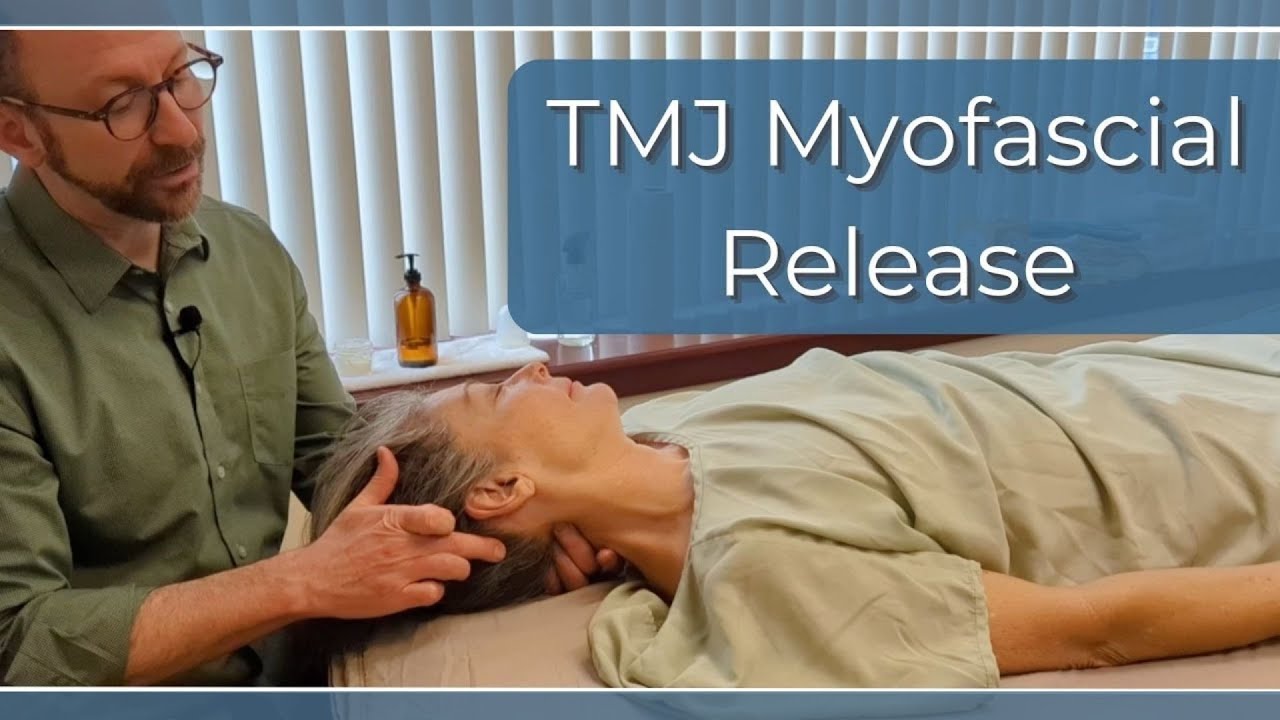
A cornerstone of comprehensive treatment for jaw and neck pain is myofascial release (MFR). To understand MFR, one must first understand the fascia. The fascial area is comprised of both solid elements, such as muscles, and liquid elements, including blood and lymph. This system encompasses contractile muscle tissue and connective tissue, as well as the nervous, vascular, and lymphatic systems.
Because the myofascial system is so integrated, tension in one area can create “pulls” in another. In patients with temporomandibular joint disorder (TMD), the muscles around the jaw often become chronically tense. Myofascial release utilizes specialized massage techniques to target these specific areas of the fascia, helping the tense muscles relax and reducing inflammation.
According to the Minnesota Neck and Pain Clinic, MFR involves the gentle manipulation of cranial and jaw tissues. This process is designed to release muscle tension, which in turn improves the overall mobility of the jaw. For many, this is a critical step in breaking the pain cycle, as it addresses the soft tissue restrictions that often keep the joint from moving smoothly.
The Role of Awake Bruxism
Another factor that complicates the relationship between the jaw and neck is awake bruxism (AB). Unlike sleep bruxism, which occurs during the night, awake bruxism is the conscious or unconscious clenching or grinding of teeth during waking hours. This behavior is frequently associated with temporomandibular disorders (TMD) and contributes significantly to the tension held in the cervical muscles.
When a person clenches their jaw throughout the day, they are not just stressing the joint; they are engaging a chain of muscles that extend into the neck and shoulders. This constant state of contraction can lead to myofascial pain, which then exacerbates the stiffness in the cervical spine, creating a feedback loop of tension and pain.
Cervical Mobilization and the Path to Recovery
While myofascial release targets the soft tissues, cervical mobilization focuses on the joint mechanics of the neck. Mobilization involves skilled manual therapy to restore movement to the vertebrae, which can alleviate the pressure placed on the nerves and muscles supporting the head and jaw.
The integration of cervical mobilization with specific exercises is often more effective than either treatment alone. By improving the flexibility and alignment of the cervical spine, the mechanical load on the TMJ is reduced. This allows the jaw to return to its natural resting position, reducing the frequency of “clicking” or “popping” sounds during movement.
Key components of a comprehensive rehabilitation plan often include:
- Cervical-ATM Evaluation: A dual assessment to determine if jaw pain is a primary issue or a secondary symptom of neck dysfunction.
- Articular Work: Manual techniques to improve the glide and movement of the jaw and neck joints.
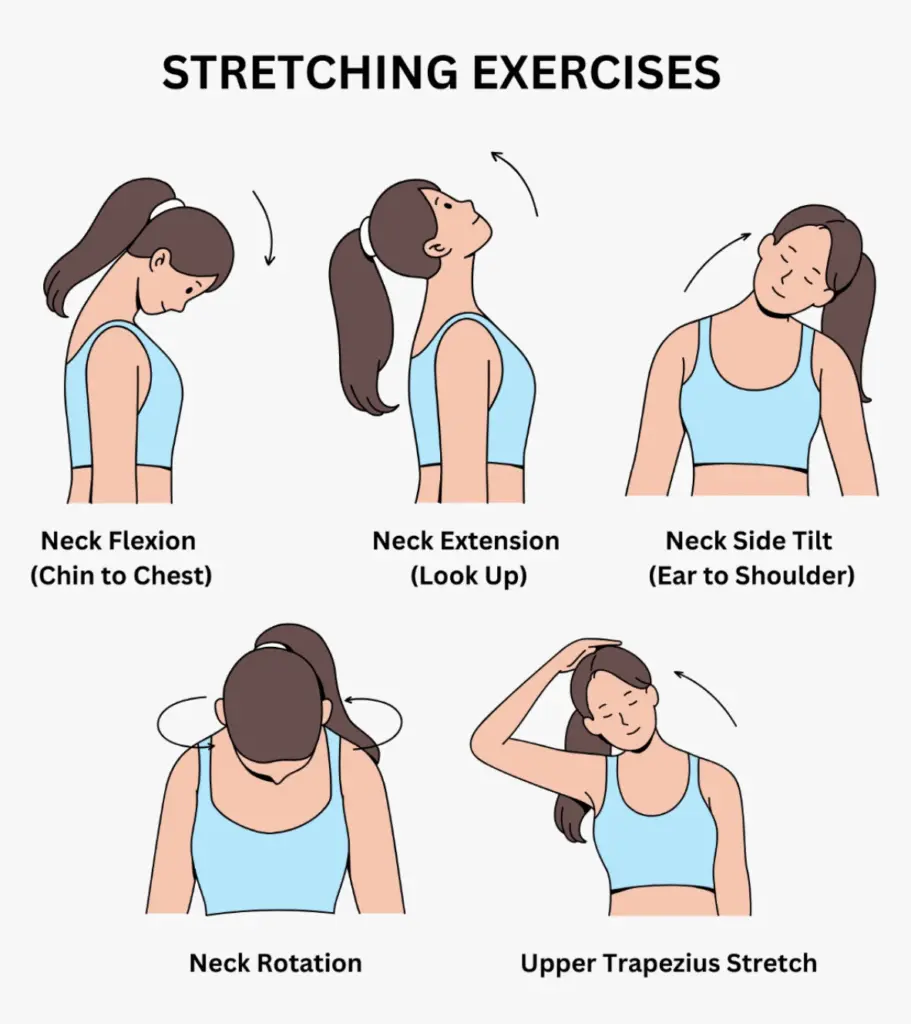
- Activation of Cervical Flexors: Exercises designed to strengthen the deep muscles of the neck, which help maintain a neutral head posture and reduce the strain on the upper trapezius and jaw muscles.
- Range of Motion (ROM) Protocols: Structured movements intended to gradually increase the maximum mouth opening and neck rotation.
When to Seek Professional Intervention
Identifying the need for professional orofacial pain management can be difficult because the symptoms often mimic other conditions, such as dental issues or general stress-induced tension. However, there are specific red flags that indicate a need for a specialized approach combining TMJ and cervical care.
Patients should consider seeking a pain specialist or a physical therapist specializing in TMD if they experience:
- A noticeable decrease in their ability to open their mouth fully (limited MMO).
- Chronic neck pain that worsens when they chew or speak.
- Frequent tension headaches that originate at the base of the skull.
- A sensation of the jaw “locking” in an open or closed position.
- Pain that radiates from the jaw into the ear or down the neck.
Professional intervention is crucial because improper “self-cracking” of the neck or aggressive jaw stretching can sometimes worsen the instability of the joint. A licensed provider can ensure that the mobilization is performed safely and that the exercises are tailored to the patient’s specific musculoskeletal alignment.
Comparing Treatment Approaches
| Treatment Method | Primary Target | Key Objective | Expected Outcome |
|---|---|---|---|
| Myofascial Release | Connective tissue (Fascia) | Reduce muscle tension & inflammation | Increased jaw mobility and reduced pain |
| Cervical Mobilization | Neck vertebrae (Joints) | Restore joint gliding and alignment | Improved head posture and reduced jaw strain |
| Cervical Flexor Activation | Deep neck muscles | Improve postural stability | Long-term prevention of recurrent tension |
| MMO Exercises | TMJ joint and surrounding muscles | Increase maximum mouth opening | Restored functional range of motion |
Long-Term Management and Postural Health
Recovery from TMJ and cervical dysfunction is rarely a one-time event; it requires a shift in daily habits. Because these issues are often tied to posture—such as “tech neck” from looking down at screens—maintaining the gains made during physical therapy requires conscious effort.
Ergonomic adjustments are a vital part of the recovery process. Ensuring that computer monitors are at eye level and that chairs provide adequate lumbar and cervical support can prevent the head from drifting forward. This forward-head posture increases the load on the cervical spine, which almost inevitably leads to increased tension in the jaw.
mindfulness regarding awake bruxism can be transformative. By becoming aware of when the jaw is clenched during the day, patients can consciously relax their muscles, reducing the constant stimulus that leads to myofascial pain. Combining these lifestyle changes with a professional regimen of cervical mobilization and myofascial release provides the most sustainable path toward a pain-free life.
The goal of integrating TMJ and cervical spine treatment is not just the absence of pain, but the restoration of function. When the neck is mobile and the jaw is relaxed, the entire upper kinetic chain operates more efficiently, reducing the risk of chronic headaches and improving overall quality of life.
For those currently experiencing these symptoms, the next step is typically a comprehensive diagnostic evaluation by a healthcare provider to determine the exact source of the restriction. This evaluation will serve as the blueprint for a personalized treatment plan involving myofascial work and cervical stabilization.
World Today Journal encourages readers to share their experiences with chronic pain management in the comments below or share this guide with others who may be struggling with jaw and neck tension.