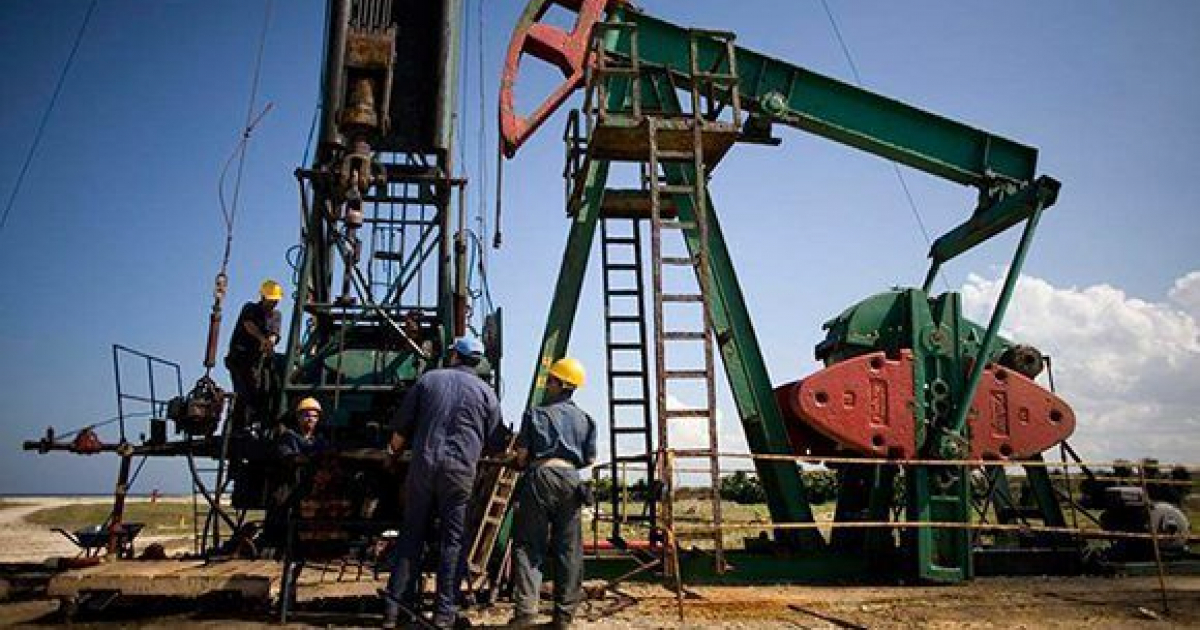
A sophisticated corporate arrangement linking the Castro family to Spanish and Australian energy interests has come to light, revealing a strategic vehicle for the export of Cuban crude oil. Documents from Spain’s official commercial records indicate that a member of the Castro lineage is serving as a joint administrator for a Spanish entity designed to facilitate oil trade from the island.
The emergence of MAY Energía España SL, a subsidiary of the Australian-based Melbana Energy Limited, suggests a shift in how Cuba may be managing certain energy assets. By utilizing a Spanish intermediary, the arrangement appears to create a direct channel for the sale of oil extracted from “Block 9” in Cuba, potentially bypassing the traditional oversight of the state oil company, CUPET, and the military-run business conglomerate, GAESA.
This development highlights the enduring role of Spanish citizenship and legal residency as tools for the Cuban political elite to manage overseas assets and international business dealings. The structure of the Spanish firm is particularly notable for its management requirements, which grant the Castro family significant control over the operational and financial decisions regarding the export of Cuban crude.
The Corporate Structure of MAY Energía España SL
Founded on April 25, 2024, MAY Energía España SL was established as a subsidiary of Melbana Energy Limited, an Australian oil and gas exploration company. The company is registered at Calle Alcalá 114 in Madrid, a location that also serves as the headquarters for The CC Law Firm.
The administrative structure of the firm is designed as a joint management system. According to the Spanish Official Gazette of the Commercial Registry, the company is led by three joint administrators: Héctor Castro Santana, Andrew Gerard Purcell—the president of Melbana Energy—and Uno Makotsvana, who has served as the company’s Chief Financial Officer since January 2025.
Under Spanish corporate law, a “joint administration” (administración conjunta) requires the signatures of all named administrators for any official action to be valid. This legal mechanism effectively ensures that no significant business decision, contract, or financial transfer can occur without the explicit consent and signature of Héctor Castro Santana. This arrangement grants the Castro family a direct veto and management role over the sale of Cuban crude oil through an overseas entity.
The Role of Héctor Castro Santana
Héctor Castro Santana is the grandson of Ramón Castro and the great-grandson of Ángel Castro Argiz, the father of former Cuban leaders Fidel and Raúl Castro. His position within the Spanish energy venture is supported by a professional background in law and a long-standing presence in Spain.
Castro Santana earned a law degree from the University of Havana in 1999 and relocated to Spain at the age of 24. His ability to operate and establish businesses in Europe is facilitated by Spanish citizenship, a heritage stemming from Ángel Castro’s Galician roots—a common trait among several members of the extended Castro family.
Beyond the energy sector, Castro Santana maintains a diverse business portfolio in Spain. He manages The CC Law Firm and Boza Abogados y Consultores SL, as well as interests in real estate via Elite Real Estate & Consultancy SL and event production through Hummo Productions SL. This network of legal and consultancy firms provides a professional infrastructure that complements the administrative needs of the oil venture.
Bypassing State and Military Oversight
The significance of MAY Energía España SL lies in its operational independence from Cuba’s primary energy and business apparatus. Traditionally, the export of Cuban oil and the management of energy contracts are handled by CUPET (Cuba Petróleo), the state-owned oil company, or GAESA (Grupo Empresarial y Social), the massive conglomerate managed by the Cuban Revolutionary Armed Forces.
The authorization granted to MAY Energía España SL to export crude oil from Block 9 suggests a deviation from this centralized model. By routing the sales through a Spanish subsidiary of an Australian firm, the operation can bypass the bureaucratic and financial controls of GAESA and CUPET. This allows for more direct control over the revenue streams and the terms of sale for the oil extracted from this specific block.
This structural shift may be a response to the need for more flexible financial arrangements or a desire to shield specific energy revenues from the broader state budget. The use of an Australian parent company further adds a layer of international legitimacy and access to global capital markets that a direct Cuban state entity might struggle to achieve under current sanctions and economic conditions.
Why the “Block 9” Venture Matters
Block 9 represents a critical asset in Cuba’s efforts to revitalize its energy sector. As the island continues to struggle with chronic power shortages and a declining domestic oil production capacity, the ability to efficiently export crude to generate hard currency is a top priority for the administration.
The involvement of Melbana Energy Limited, an experienced exploration company, provides the technical expertise required to extract and market these resources. However, the integration of a family member of the Cuban leadership into the administrative core of the Spanish subsidiary ensures that the political interests of the Castro family remain aligned with the commercial interests of the Australian firm.
For global observers, this arrangement is a case study in the “hybrid” nature of the Cuban economy, where state-owned resources are managed through a mix of official government channels, military conglomerates, and private-looking overseas entities managed by political insiders.
Key Takeaways: The Castro-Melbana Connection
- Corporate Vehicle: MAY Energía España SL is a Spanish subsidiary of Australia’s Melbana Energy Limited, focused on exporting Cuban oil from Block 9.
- Family Control: Héctor Castro Santana, a great-grandson of Ángel Castro Argiz, serves as a joint administrator.
- Legal Veto: The joint administration structure requires all administrators’ signatures, giving the Castro family direct control over company actions.
- Strategic Bypass: The setup allows oil sales to move forward without the direct involvement of CUPET or the military-run GAESA.
- Legal Bridge: The venture leverages Spanish citizenship and a network of Madrid-based law and consultancy firms.
Geopolitical and Economic Implications
The use of Spanish intermediaries for Cuban state assets is not unprecedented, but the direct administrative role of a Castro family member in an energy export vehicle is a notable development. Spain has long served as the primary diplomatic and economic bridge between the European Union and Havana, providing a favorable legal environment for Cuban interests.

From a geopolitical perspective, the partnership with an Australian firm like Melbana Energy indicates Cuba’s willingness to diversify its foreign partnerships beyond traditional allies. By engaging with a company listed on the Australian Securities Exchange (ASX), Cuba gains a level of transparency and corporate governance that can attract more international investment, even as it maintains tight internal control through family ties.
However, this arrangement also raises questions about transparency and the distribution of wealth within the Cuban system. When state assets like Block 9 are managed through overseas entities with private administrators, the visibility of those funds to the Cuban public and international monitors is significantly reduced.
Looking Ahead: What to Watch
As MAY Energía España SL begins its operational phase, the primary indicator of success will be the volume of crude oil exported from Block 9 and the destination of those shipments. Market analysts and geopolitical monitors will be watching for any official filings from Melbana Energy Limited regarding the revenue generated by its Spanish subsidiary.
any shifts in the relationship between Spain and Cuba, or changes in Australian foreign investment regulations, could impact the stability of this venture. The continued reliance on the “joint administrator” model suggests that the Castro family intends to maintain a tight grip on this specific revenue stream for the foreseeable future.
The next confirmed checkpoint for this story will be the upcoming quarterly financial reports and regulatory filings from Melbana Energy Limited, which may provide more detail on the operational status of the Block 9 exports and the financial performance of the Spanish subsidiary.
World Today Journal encourages readers to share this report and leave their comments below regarding the intersection of family politics and state resources in the Caribbean.
Related reading