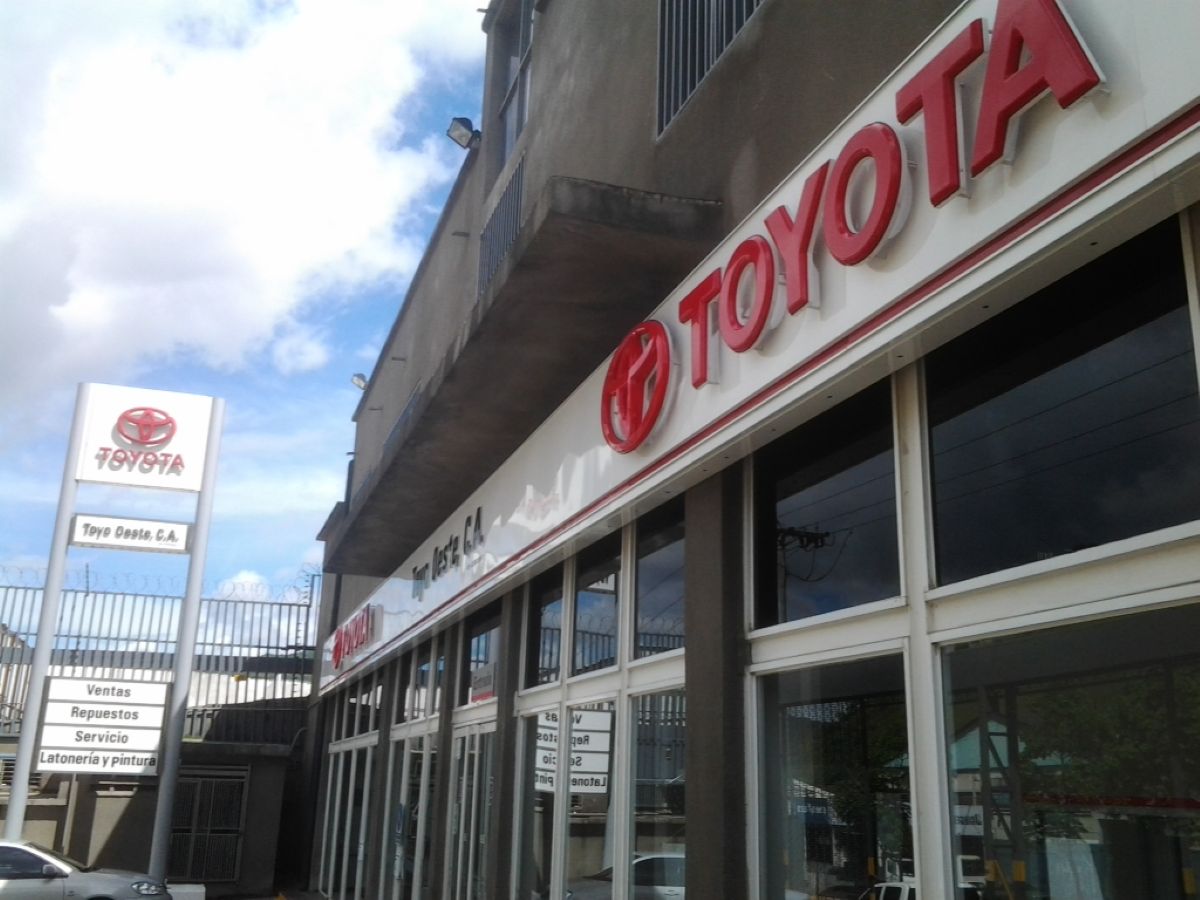
For decades, Toyota has positioned itself as a paragon of reliability and corporate integrity, guided by the “Toyota Way”—a philosophy emphasizing continuous improvement and respect for people. However, the company’s enduring presence in Venezuela has sparked a complex debate among economists, ethicists and political analysts regarding the line between corporate resilience and political convenience.
Operating in one of the world’s most volatile political and economic environments, Toyota de Venezuela must navigate a landscape defined by hyperinflation, severe currency controls, and a governance structure under intense international scrutiny. The central question facing the automotive giant is whether maintaining operations in the country constitutes a commitment to the Venezuelan people or a strategic calculation to preserve market share at the expense of global ethical standards.
This tension is not unique to Toyota, but the brand’s high visibility makes it a focal point for discussions on Corporate Social Responsibility (CSR). As international sanctions tighten and the humanitarian crisis in Venezuela persists, the decision to remain operational involves a delicate balancing act between adhering to global ESG (Environmental, Social, and Governance) criteria and the pragmatic realities of the local market.
The Operational Struggle: Survival in a Hyperinflationary Economy
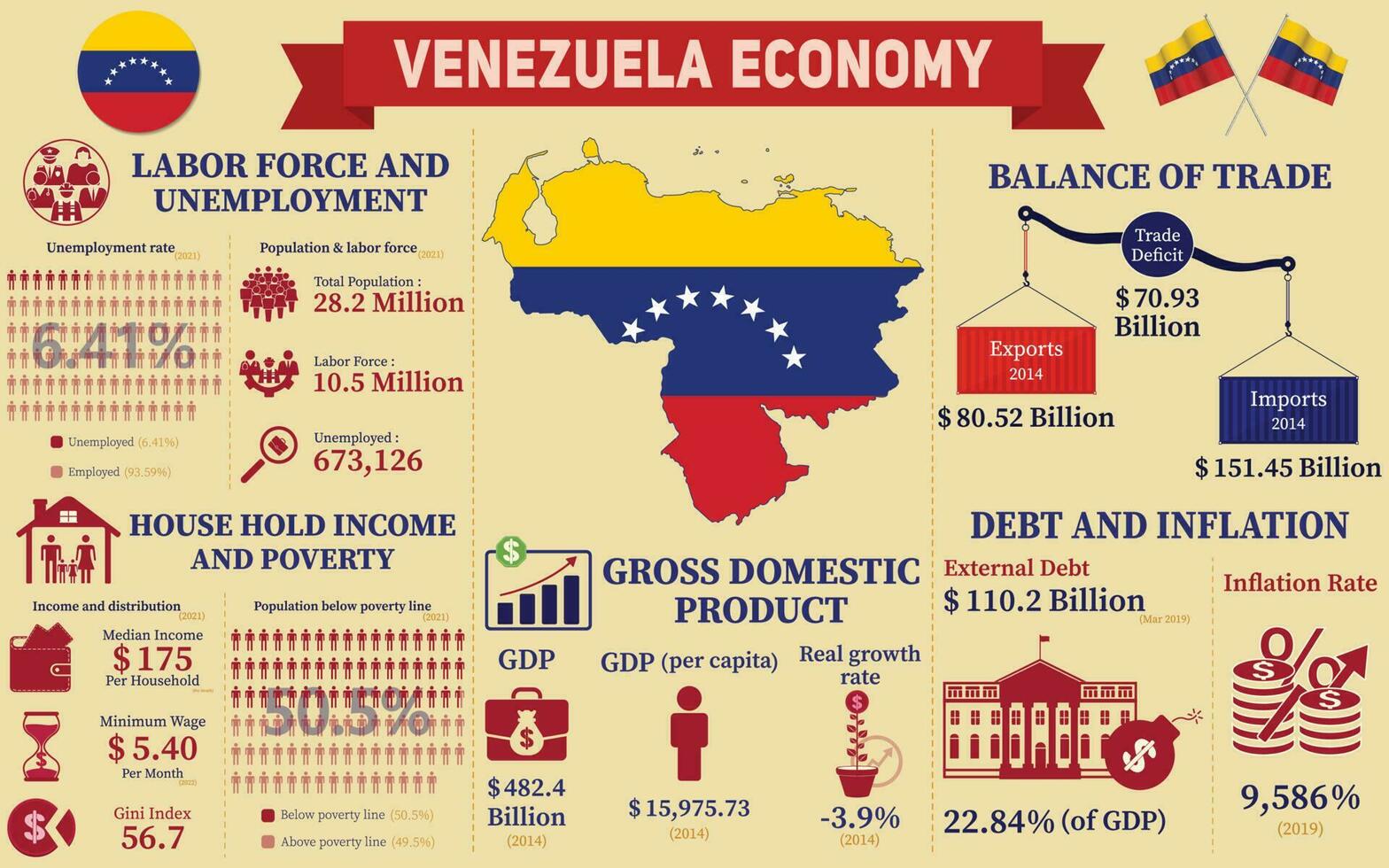
To understand the ethics of Toyota’s presence in Venezuela, one must first examine the extreme economic conditions the company faces. For years, the Venezuelan economy has been characterized by one of the most severe contractions in modern history. According to data from the International Monetary Fund (IMF), Venezuela has experienced catastrophic GDP shrinkage and hyperinflation that has eroded the purchasing power of the average citizen.
For an automotive manufacturer, these conditions create an almost impossible operational environment. The import of parts and finished vehicles requires hard currency, which the Venezuelan government has historically tightly controlled. This has led to a dramatic decline in local production and a shift toward a fragmented market where luxury vehicles are often imported through unofficial channels or specialized importers rather than traditional dealership networks.
Toyota’s strategy has evolved from mass-market production to a more niche survival mode. By focusing on high-value models and maintaining a robust service network, the company has managed to stay relevant. However, this shift raises questions about who the company is serving. In a country where the majority of the population cannot afford a new vehicle, the continued availability of high-end Toyotas often aligns with the interests of the political and economic elite who have maintained access to foreign currency.
Corporate Ethics vs. Political Pragmatism
The debate over Toyota de Venezuela corporate ethics centers on the concept of “complicity.” Critics argue that any large corporation continuing to operate under an authoritarian regime provides a veneer of normalcy and economic stability to that government. The payment of taxes, the employment of local staff, and the continued flow of commerce can be interpreted as indirect support for the existing power structure.
Conversely, proponents of the “stay and engage” strategy argue that exiting a market during a crisis is an abandonment of the local workforce and the consumer base. By remaining, Toyota provides thousands of jobs and ensures that existing vehicle fleets—critical for transport and logistics in a failing infrastructure—can be maintained. In this framework, leaving would not harm the regime but would further devastate the local economy and leave consumers without reliable transportation options.
Toyota’s global Code of Conduct emphasizes the importance of following laws and maintaining high ethical standards. However, the challenge arises when local laws conflict with international human rights norms or when the state’s economic mandates force companies into ethically gray areas. The “convenience” mentioned by critics refers to the strategic advantage of maintaining a footprint; should the political climate shift, Toyota is positioned to scale up operations immediately, whereas a company that exited would face significant barriers to re-entry.
The Impact of International Sanctions
The geopolitical layer of this issue is dominated by sanctions, primarily those imposed by the United States. These measures are designed to pressure the Venezuelan administration by restricting its access to global financial markets and specific industries. For a global entity like Toyota, compliance with these sanctions is not optional; it is a legal necessity to avoid massive fines and loss of access to the U.S. Market.
The complexity lies in the “over-compliance” phenomenon, where companies restrict activities that are technically legal under sanctions out of an abundance of caution. This often results in a paradoxical situation where the general population suffers from a lack of spare parts and official services, while the “politically connected” find ways to circumvent these restrictions. This dynamic further complicates the ethical narrative, as the company may be seen as failing the average citizen while remaining accessible to the elite.
Comparison of Automotive Strategies in Venezuela
Toyota’s approach differs notably from other global automakers who have either scaled back significantly or ceased operations entirely. While some brands opted for a total exit to avoid the reputational risk associated with the Maduro administration, Toyota’s deep integration into the Venezuelan automotive culture—where the Hilux and Land Cruiser are seen as essential tools for the country’s rugged geography—provided a stronger incentive to stay.

This “cultural lock-in” creates a unique form of economic leverage. Because Toyota vehicles are highly prized for their durability, the brand maintains a level of prestige and demand that transcends political affiliation. This allows the company to maintain a presence without necessarily being seen as a political actor, though the distinction remains thin in a highly polarized society.
ESG Standards and the Modern Corporate Mandate
In the current era of investing, Environmental, Social, and Governance (ESG) metrics are used by shareholders to evaluate a company’s sustainability and ethical impact. The “Social” and “Governance” aspects are particularly relevant to the Venezuelan case. Investors are increasingly asking whether companies operating in “high-risk” jurisdictions have adequate safeguards to prevent their products or services from being used in human rights abuses.
For Toyota, the risk is primarily reputational. The brand is associated with reliability and trust. If the company is perceived as prioritizing “political-economic convenience” over the well-being of the Venezuelan people or international ethical norms, it risks alienating a global consumer base that is increasingly conscious of corporate activism.
To mitigate this, companies often implement rigorous internal audits and third-party monitoring. However, in a country where transparency is minimal and government interference is common, the efficacy of these audits is often questioned. The gap between a corporate headquarters in Japan and the operational reality in Caracas can be vast, leading to a disconnect between official policy and local practice.
What Which means for the Future of Global Business
The case of Toyota in Venezuela serves as a blueprint for the dilemmas faced by multinational corporations in the 21st century. As the world becomes more multipolar and political volatility increases, the “neutrality” of a corporation is increasingly viewed as a political choice in itself. The decision to stay in a market is no longer just a financial calculation; it is a statement of values.
The “convenience” of remaining in Venezuela is a long-term bet on the country’s eventual stabilization. If Venezuela returns to economic growth and democratic governance, Toyota’s persistence will be framed as a visionary commitment to the market. If the current state of affairs persists or worsens, the company may find that the cost of staying—in terms of brand equity and ethical standing—outweighs the financial benefits of maintaining a foothold.
Key Considerations for Stakeholders
- Employees: Local staff rely on the company for stable employment in an economy where the local currency has virtually disappeared.
- Consumers: The availability of official parts and services prevents the total collapse of the existing vehicle fleet.
- Shareholders: The focus is on risk mitigation and ensuring that Venezuelan operations do not trigger legal penalties in other jurisdictions.
- Regulators: International bodies monitor the flow of goods and capital to ensure sanctions are not being bypassed.
Conclusion and Next Steps
Toyota de Venezuela remains a case study in the friction between global corporate standards and local survival. Whether the company’s actions are driven by an ethical commitment to its employees and customers or a strategic desire for future economic convenience remains a subject of intense debate. What is clear is that in the modern global economy, the “business as usual” approach is no longer invisible; every operational choice is an ethical one.
The next critical checkpoint for observing this dynamic will be the upcoming quarterly financial reports and the updated sanctions reviews from the U.S. Treasury’s Office of Foreign Assets Control (OFAC), which will determine the legal boundaries for continued operations in the region.
World Today Journal encourages readers to share their perspectives on corporate responsibility in volatile regions in the comments section below.
Related reading