
A rare and severe respiratory outbreak has triggered an international health response after a cluster of passengers aboard a Dutch-flagged cruise ship fell critically ill. According to the World Health Organization (WHO), the incident has resulted in three deaths and several severe cases of hantavirus, a disease typically transmitted through contact with infected rodents.
The outbreak, which was reported to the WHO on May 2, 2026, involved a ship carrying 147 passengers and crew. While the majority of the individuals on board remained unaffected, the rapid progression of the illness in a small group of passengers has raised alarms among public health officials. As of May 4, 2026, seven cases have been identified: two laboratory-confirmed cases of hantavirus and five suspected cases.
Of these seven individuals, three have died, one remains critically ill in intensive care, and three others are reporting mild symptoms. The onset of illness occurred between April 6 and April 28, 2026, characterized by a rapid decline from initial fever and gastrointestinal distress to pneumonia, acute respiratory distress syndrome (ARDS), and shock.
As Editor of Health for World Today Journal and a physician trained in internal medicine, I have followed many emerging infectious disease clusters. The critical nature of this event lies not in its scale—as the WHO currently assesses the risk to the global population as low—but in the severity of the pathogen involved and the unique environment of a cruise ship, which can complicate medical evacuation and isolation efforts.
Timeline of the Outbreak and International Response
The crisis came to light when the National International Health Regulations (2005) (IHR) Focal Point of the United Kingdom of Great Britain and Northern Ireland notified the WHO on May 2, 2026, regarding the cluster of severe acute respiratory illnesses. The notification highlighted the critical condition of several passengers aboard the Dutch-flagged vessel.
Diagnostic confirmation followed shortly after. On May 2, 2026, laboratory testing conducted in South Africa confirmed a hantavirus infection in one passenger who was critically ill and requiring intensive care. By May 3, an additional death was reported, bringing the total fatality count to three.
The management of the outbreak has required a highly coordinated international effort. According to the World Health Organization, the response currently includes:
- In-depth epidemiological investigations to determine the source of the virus.
- Strict case isolation and specialized medical care for the infected.
- Emergency medical evacuations for critically ill patients.
- Comprehensive laboratory investigations to sequence the virus.
Understanding Hantavirus Pulmonary Syndrome (HPS)
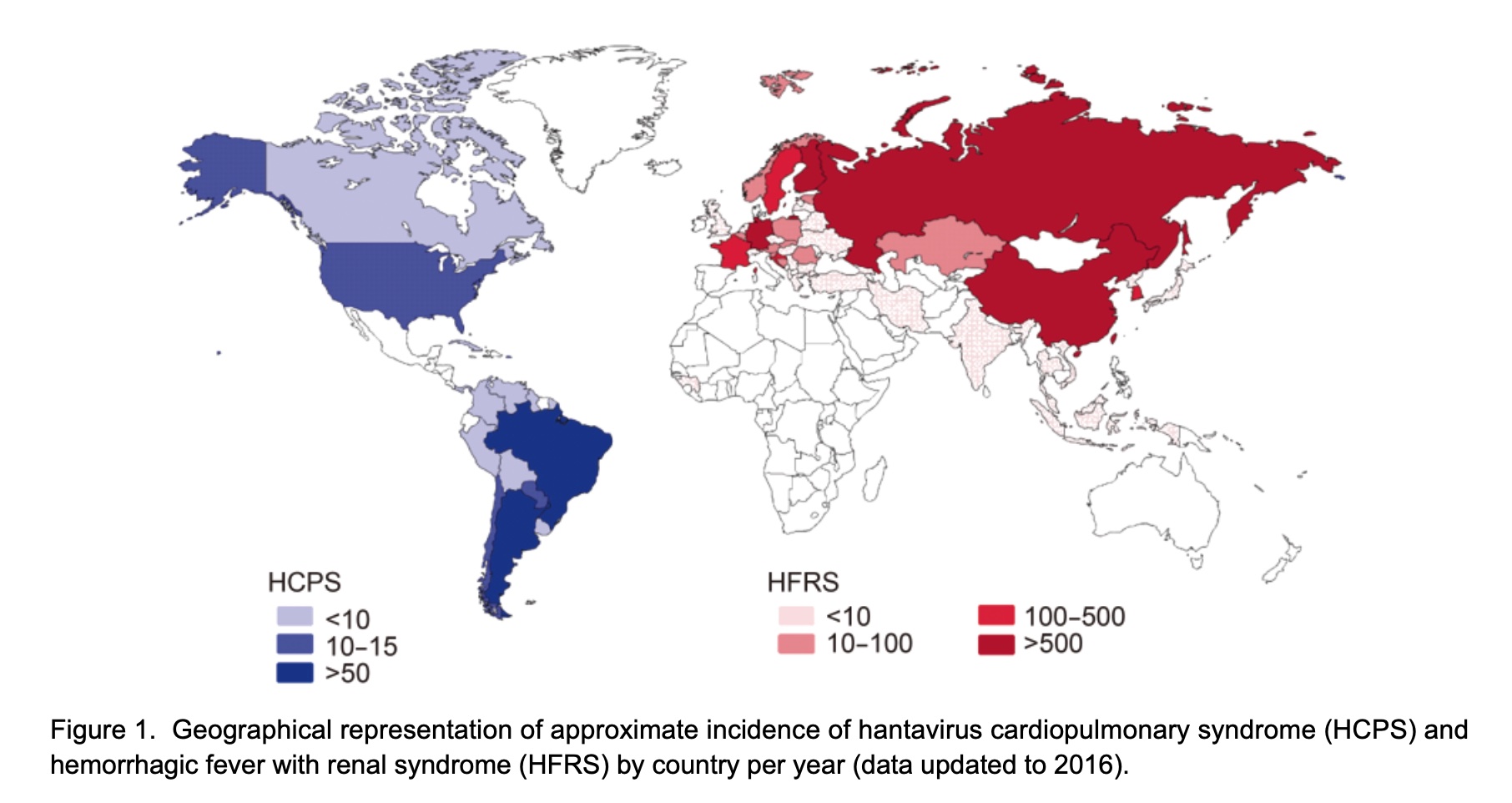
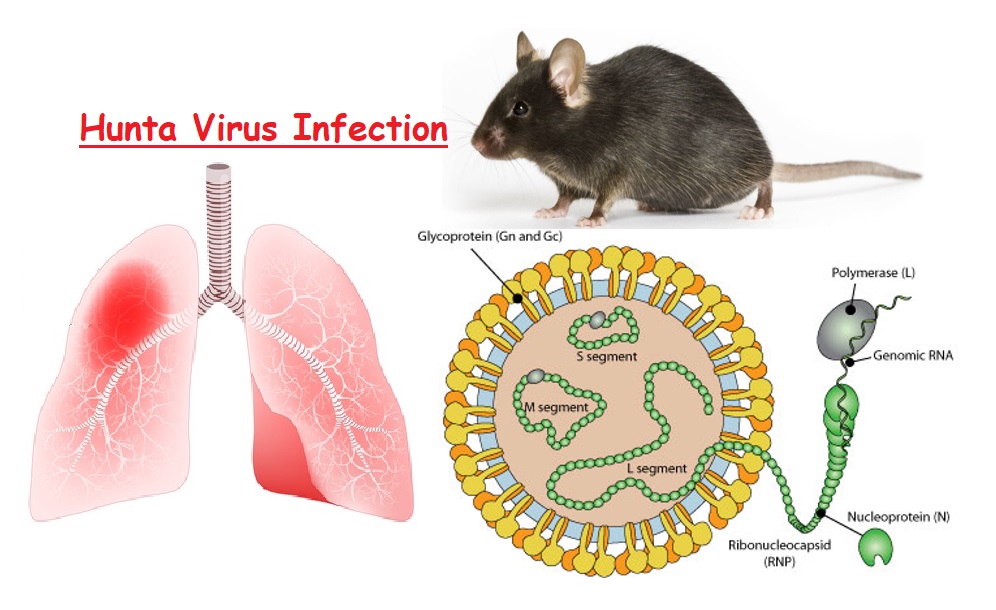
For many, hantavirus is a little-known pathogen, but for those infected, it can be devastating. In the Western Hemisphere, hantaviruses primarily cause Hantavirus Pulmonary Syndrome (HPS), a severe respiratory disease that affects the lungs. As noted by the Centers for Disease Control and Prevention (CDC), the virus is primarily spread by rodents, specifically through exposure to their urine, droppings, and saliva.
The progression of HPS is often aggressive and occurs in three distinct phases:
The Early Phase: This stage typically begins one to eight weeks after exposure. Patients experience flu-like symptoms, including fatigue, fever, and muscle aches—particularly in the thighs, hips, back, and shoulders. Approximately half of all patients also suffer from headaches, dizziness, chills, and abdominal issues such as nausea, vomiting, and diarrhea.
The Cardiopulmonary Phase: Four to 10 days after the initial symptoms, the disease progresses rapidly. This phase is characterized by pulmonary capillary leakage, where fluid builds up in the lungs and chest cavity. This leads to severe shortness of breath, coughing, low blood pressure, and cardiogenic shock. Because the lungs cannot effectively exchange oxygen, patients often experience respiratory failure.
The Recovery Phase: For those who survive the acute phase, recovery can be a long process taking several months. In some cases, difficulties with breathing can persist for up to two years.
The prognosis for HPS is often poor. Data indicates a case fatality rate of 30% to 60%, with death typically occurring suddenly during the cardiopulmonary phase due to respiratory or cardiac failure.
Transmission Risks: Rodents and Rare Human-to-Human Spread
The primary route of hantavirus infection is zoonotic. Humans generally contract the virus when they inhale aerosolized particles of rodent waste or through rare instances of bites and scratches. In North America, the Sin Nombre virus, carried by the western deer mouse, is the most common cause of HPS. In South America, the long-tailed pygmy rice rat is the primary host for the Andes virus.
One of the most concerning aspects of certain hantavirus strains is the possibility of human-to-human transmission. While this is extremely uncommon for most hantaviruses, limited human-to-human spread has been documented in previous outbreaks of the Andes virus. This type of transmission is usually limited to individuals who have had close, intimate contact with an infected person.
In the context of a cruise ship—where passengers live in close quarters—the possibility of such transmission is a key focus for investigators, although the WHO has not yet confirmed the specific strain of the virus involved in this cluster.
What This Means for Global Public Health
The appearance of a hantavirus cluster on a commercial vessel underscores the challenges of maritime health surveillance. Because hantaviruses are rare but deadly, they can initially be mistaken for more common respiratory infections, such as influenza or COVID-19, delaying critical intervention.
However, the rapid notification via the IHR (2005) framework demonstrates how international health regulations are designed to prevent localized outbreaks from becoming global threats. By isolating cases and conducting rapid laboratory confirmation in South Africa, health authorities were able to identify the pathogen and implement containment measures quickly.
For the general public, the WHO’s assessment that the risk remains “low” is a reassuring sign. Hantavirus does not typically spread easily among humans, and the primary risk remains associated with environments heavily infested with rodents.
Key Takeaways: Hantavirus Outbreak Summary
- The Event: A cluster of severe respiratory illness on a Dutch-flagged cruise ship with 147 passengers and crew.
- The Toll: Seven cases identified (two confirmed, five suspected), resulting in three deaths and one critical patient.
- The Pathogen: Hantavirus, primarily a rodent-borne virus that causes Hantavirus Pulmonary Syndrome (HPS).
- The Symptoms: Early flu-like symptoms followed by rapid progression to pneumonia and acute respiratory distress.
- Global Risk: Currently assessed as low by the World Health Organization.
Frequently Asked Questions
Can I catch hantavirus from another person?
In the vast majority of cases, no. Hantavirus is spread by rodents. However, the Andes virus is a rare exception where limited person-to-person transmission has been reported among people with close contact.
What are the first warning signs of HPS?
Early symptoms include fever, fatigue, and muscle aches (especially in the large muscle groups like the thighs and back), often appearing 1 to 8 weeks after exposure.
How is hantavirus treated?
There is no specific medication or cure for hantavirus. Treatment is primarily supportive, focusing on managing respiratory failure, which often requires mechanical ventilation in an intensive care unit.
Why is the fatality rate so high?
The virus causes microvascular leakage in the lungs, leading to a rapid buildup of fluid. This prevents the blood from absorbing oxygen, leading to shock and respiratory failure, which can happen exceptionally suddenly.
The World Health Organization will continue to monitor the epidemiological situation and provide updates as further laboratory results and investigative findings become available. The next critical checkpoint will be the final results of the in-depth investigations into the ship’s environment and the definitive sequencing of the virus strain to rule out or confirm person-to-person transmission.
Do you have questions about travel health or emerging infectious diseases? Share your thoughts in the comments below or share this article to keep your network informed.
Related reading