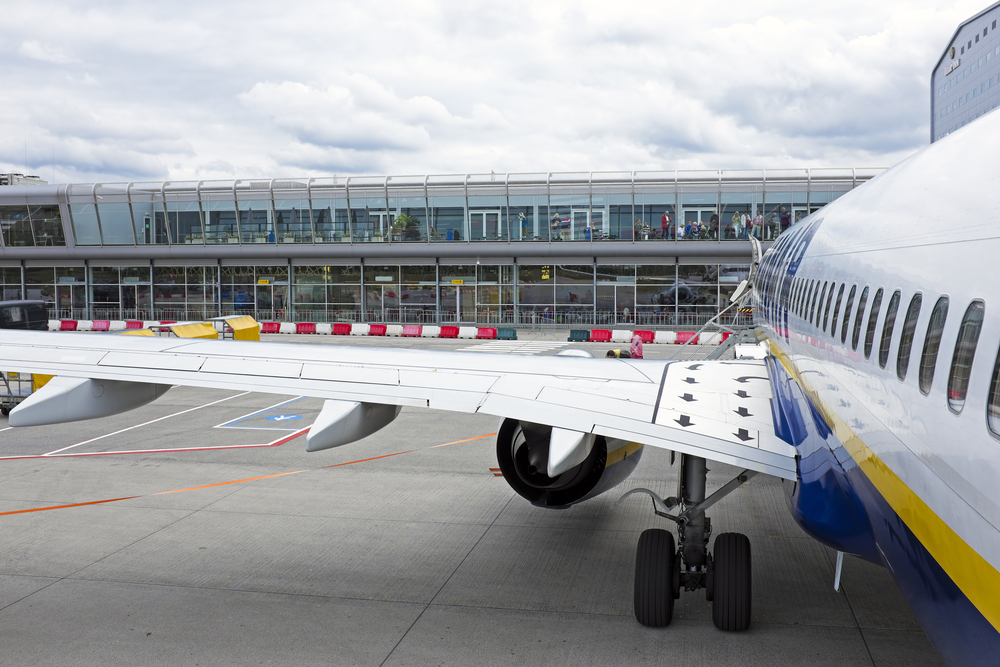
The final stage of a complex international medical evacuation concluded this week as the last group of passengers and crew from the MV Hondius arrived at Eindhoven Airport in the Netherlands. The arrival of the final 26 evacuees, some seen wearing protective white suits, marks the end of a high-stakes operation triggered by an outbreak of the rare hantavirus aboard the exploratory cruise ship.
The MV Hondius hantavirus evacuation has spanned several days and involved the coordination of health authorities from multiple nations. The operation reached its climax after the vessel, which had been anchored at the Port of Granadilla near the Spanish island of Tenerife, saw its remaining passengers ferried to shore and subsequently flown to their respective home countries.
According to data provided by the tour operator Oceanwide Expeditions, a total of 122 individuals were repatriated to the Netherlands and other home countries. This group included 87 guests and 35 crew members who had spent more than five weeks at sea before the health crisis necessitated an emergency stop in Spain.
The Eindhoven Arrival and Repatriation Process
The final phase of the evacuation saw two aircraft land at Eindhoven Airport, carrying the remaining personnel and passengers from the vessel. The sight of evacuees in white protective gear underscored the cautious approach taken by Dutch and international health officials to prevent any potential community spread of the virus.
The logistics of the repatriation were intricate, involving passengers of 19 different nationalities. Spanish health authorities initially managed the disembarkation at the Port of Granadilla, where 94 passengers were evacuated on Sunday. The process continued into Monday, with the final flights ensuring that all affected individuals were removed from the ship for monitoring and testing.
For many of the passengers, the journey ended in a mixture of relief and exhaustion. Having been isolated on the vessel during the onset of the outbreak, the transition to land-based medical supervision in Eindhoven and other European hubs was the primary objective of the international health response.
Medical Findings and the Andes Virus Strain
The health crisis aboard the MV Hondius centered on the detection of hantavirus, a family of viruses typically transmitted to humans from rodents. Of particular concern to health officials was the identification of the Andes strain, which is known for its potential for person-to-person transmission in certain circumstances.
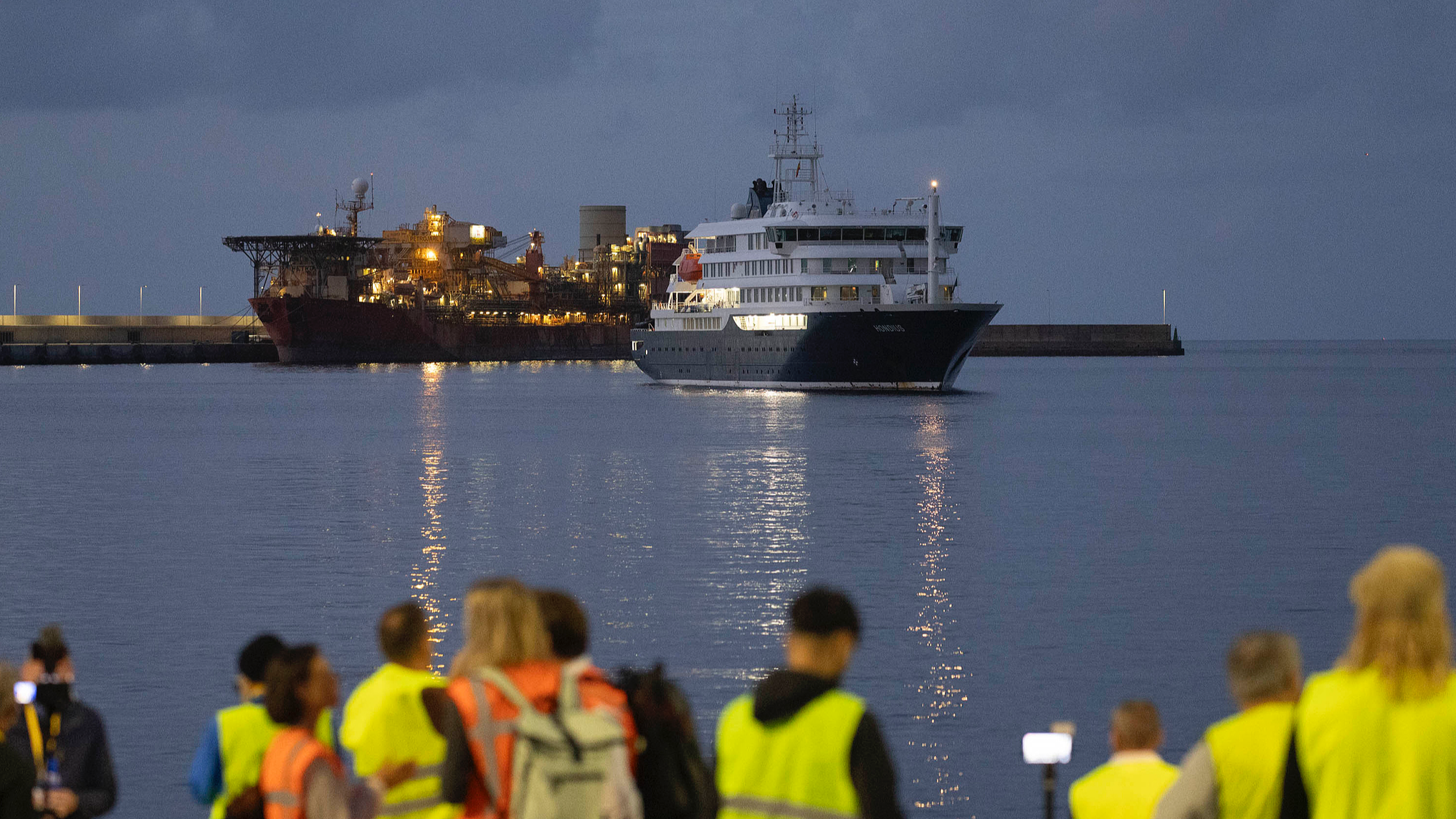
The U.S. Department of Health and Human Services reported that one of the 17 American passengers evacuated from the ship tested “mildly” positive for the Andes strain via a PCR test. A second American passenger exhibited mild symptoms, though a definitive positive test was not confirmed for that individual. However, the classification of the case remained a point of contention; Spanish authorities described the “mildly” positive result as inconclusive.
The situation grew more severe for a French national on board. French Health Minister Stephanie Rist informed France Inter that a French woman tested positive for hantavirus upon her arrival in France. Minister Rist noted that the passenger began exhibiting symptoms during her return journey and that her health deteriorated overnight, requiring treatment in a specialist hospital.
Hantaviruses are generally rare but can lead to severe respiratory distress or kidney failure depending on the strain. The Andes strain, specifically, has historically been associated with higher mortality rates and the rare ability to spread between humans, which explains the rigorous use of protective gear and the rapid repatriation efforts seen in Eindhoven.
About the MV Hondius and Oceanwide Expeditions
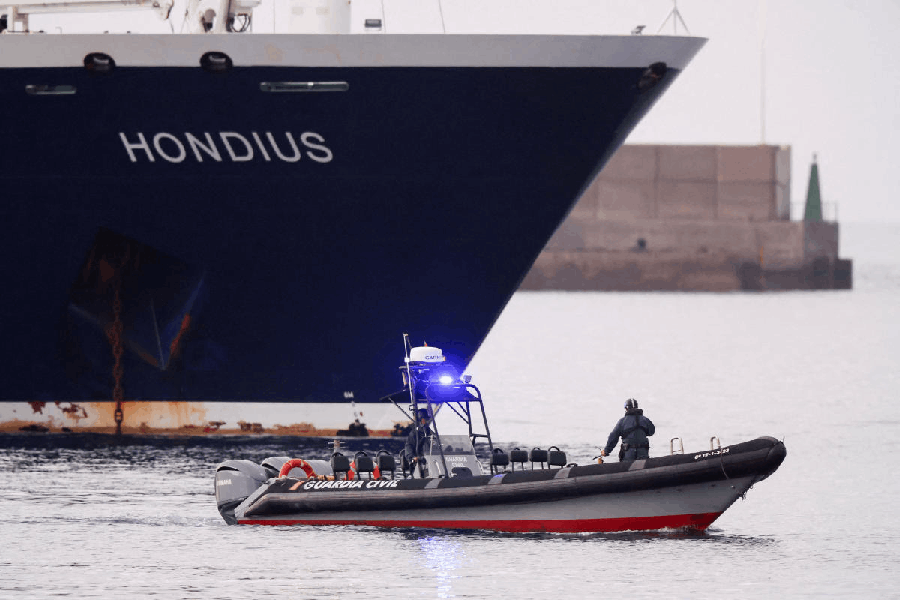
The vessel at the center of the crisis, the MV Hondius, is an advanced exploratory ship designed for the harshest environments on Earth. It holds the distinction of being the first-registered Polar Class 6 vessel in the world, meaning it meets the highest Lloyd’s Register standards for ice-strengthened cruise ships and surpasses the requirements of the International Maritime Organization’s (IMO) Polar Code.
Operated by Oceanwide Expeditions, the ship is optimized for Arctic and Antarctic voyages. With a capacity of 170 passengers across 80 cabins, the vessel is equipped with environmentally friendly technologies, including LED lighting, biodegradable paints and state-of-the-art power management systems to minimize CO2 emissions in fragile polar ecosystems.
The ship’s specialized design—including its 107.6-meter length and Polar Class 6 ice rating—makes it a flexible tool for exploration, but the current outbreak has shifted the focus from polar discovery to maritime health safety and the challenges of managing infectious diseases in isolated, high-density environments like cruise ships.
Timeline of the Outbreak and Response
The timeline of events highlights the rapid escalation from a medical concern to an international evacuation operation:
- Initial Voyage: The MV Hondius spent over five weeks at sea before arriving in Tenerife.
- Arrival in Tenerife: The ship anchored at the Port of Granadilla, carrying 147 people.
- Initial Evacuation: On Sunday, Spanish health authorities oversaw the evacuation of 94 passengers of 19 nationalities.
- Medical Confirmations: The U.S. HHS and French Health Ministry reported positive cases of hantavirus among American and French passengers.
- Final Repatriation: On Monday, the last of the passengers left the ship, culminating in the arrival of the final 26 evacuees in Eindhoven.
What Happens Next
With the passengers and crew now safely removed from the vessel, the focus shifts to the MV Hondius itself. The ship must undergo rigorous professional disinfection and medical clearance before it can return to service or allow new crew members on board.
Health authorities in the Netherlands, France, and the United States will continue to monitor the repatriated individuals. The “inconclusive” nature of some tests, as cited by Spanish authorities, suggests that further genomic sequencing of the virus may be necessary to fully understand the source of the outbreak and whether the Andes strain has mutated or was introduced via a specific environmental exposure during the voyage.
Official updates regarding the health status of the hospitalized passengers and the eventual clearance of the MV Hondius are expected to be released by the respective national health ministries and Oceanwide Expeditions as the investigation concludes.
World Today Journal will continue to monitor this story. We invite our readers to share their thoughts or experiences with maritime health safety in the comments section below.
Related reading