
U.S. Inflation has surged to a three-year high, reaching levels not seen since early 2023, as the economic fallout from President Donald Trump’s escalating war with Iran continues to ripple across households and businesses. The latest Consumer Price Index (CPI) data, released this week, shows energy costs—particularly gasoline and diesel—driving the spike, with prices climbing at their fastest pace since recordkeeping began in 1967. Economists warn the situation could worsen if the fragile ceasefire collapses, threatening the fragile economic recovery that has defined the past two quarters.
The war’s impact on inflation is now undeniable. According to recent analysis from CNBC, oil prices have become the primary catalyst, with West Texas Intermediate crude hovering near the $125-per-barrel threshold—a level economists like Joseph Brusuelas of RSM have flagged as the point where energy costs transition from a manageable burden to a full-blown economic headwind. The Federal Reserve, already grappling with persistent inflation, now faces heightened pressure to maintain elevated interest rates, a move that could further tighten credit conditions for businesses and consumers alike.
Yet the economic strain extends beyond inflation. The war has introduced a dangerous layer of uncertainty that is paralyzing investment and hiring decisions. As research from Equitable Growth highlights, the combination of tariffs introduced under Trump’s “Liberation Day” policy—imposed in April 2025—and the disruptions to global supply chains has created a perfect storm. U.S. Imports have declined sharply, and the volatility in trade policy has forced companies to delay expansion plans, fearing further instability. For consumers, the pain is immediate: March’s gasoline price surge marked the largest one-month increase in history, with diesel costs following closely behind.
Why the Inflation Surge Matters
The latest CPI data underscores a broader trend: inflation is no longer confined to energy. While gasoline prices have dominated headlines, core inflation—stripping out volatile food and energy costs—has also inched upward, reflecting broader supply chain disruptions. The war’s disruption of Persian Gulf trade routes has exacerbated these issues, pushing up costs for everything from shipping to manufacturing inputs. Economists at Truist Advisory Services, including Mike Skordeles, have noted that while the war may shave a few tenths of a percentage point off GDP growth, the real damage lies in the uncertainty it creates. “It’s going to gouge out some of the growth,” Skordeles said, “but we’ll weather through it. The bigger issue is the uncertainty.”

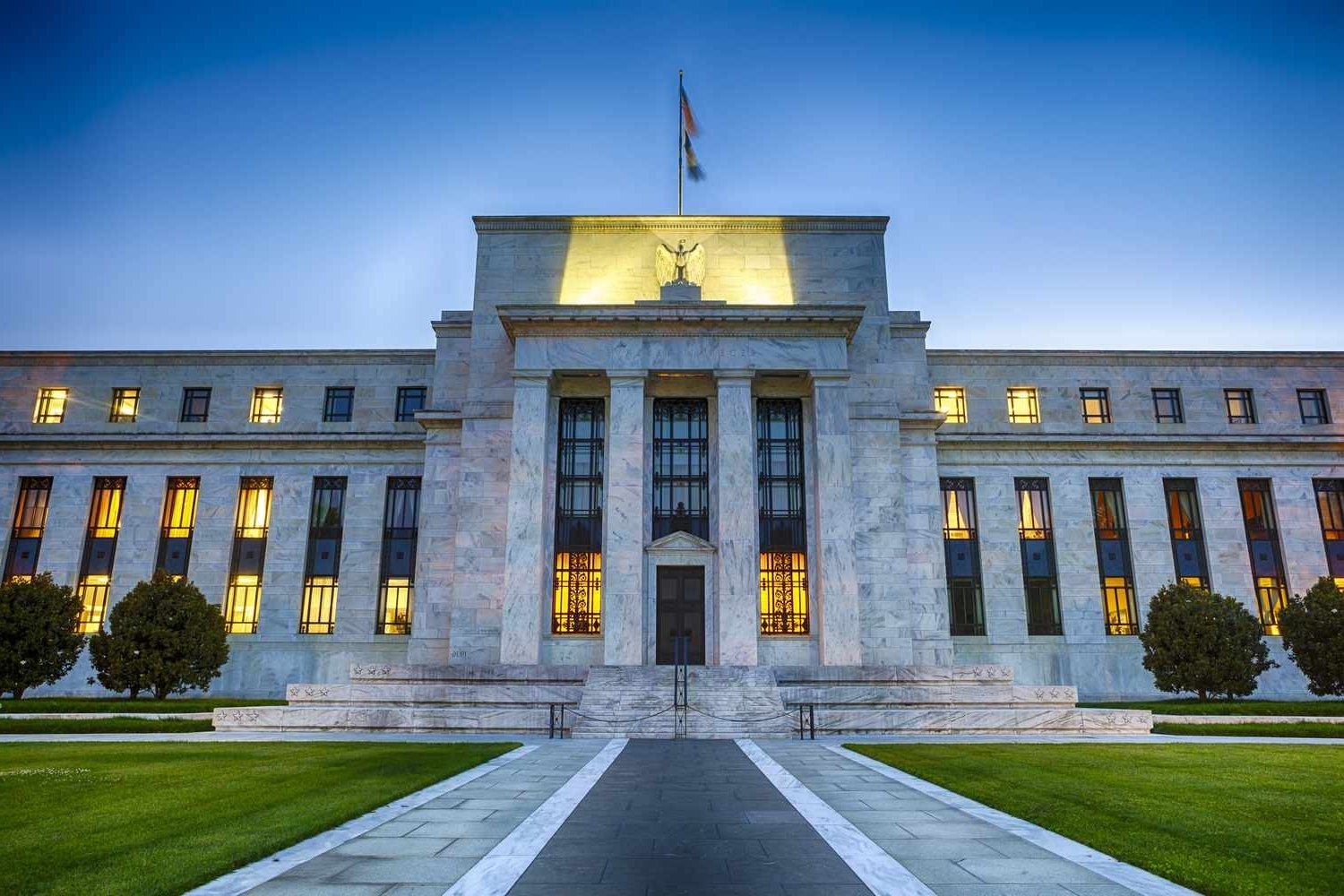
The Federal Reserve’s response will be critical in the coming months. With inflation expectations already elevated, any perception that the central bank is falling behind the curve could trigger a sharper-than-expected tightening cycle. This, in turn, could tip the economy into a recession—especially if the Iran conflict escalates further. The stakes are high: a diplomatic resolution could ease pressures, but the physical destruction of infrastructure in Iran and neighboring countries means global economic growth will likely remain under strain for months to come.
The Human Cost: Who Is Feeling the Pinch?
For American households, the inflation surge is hitting hardest in states with high energy dependence. California, for instance, has seen its gas prices climb by nearly 20% since the war began, according to state data. Meanwhile, low-income families—who spend a larger share of their income on essentials like gasoline and groceries—are bearing the brunt of the pain. The Bureau of Labor Statistics’ latest report shows that food prices, too, are rising at an accelerated pace, compounding the financial squeeze.
Businesses are not faring much better. Slight and medium-sized enterprises (SMEs), which rely heavily on trade and stable supply chains, are facing higher input costs and reduced consumer spending power. Retailers, in particular, are reporting thinner margins as they pass on higher costs to already stretched consumers. The war’s disruption of key trade corridors—such as the Strait of Hormuz—has also forced companies to seek alternative, often more expensive routes, further eroding profitability.
What Happens Next?
The path forward hinges on two critical factors: the duration of the ceasefire and the Federal Reserve’s next move. If fighting resumes, oil prices could spike even higher, pushing inflation back toward levels not seen since the early 2000s. Conversely, a sustained diplomatic resolution could provide much-needed relief, allowing energy prices to stabilize and supply chains to recover. Economists are divided on the likelihood of either scenario, but most agree that the current uncertainty is the most immediate threat to economic stability.
For now, consumers and businesses are left in limbo. The next major economic checkpoint will be the Federal Reserve’s policy announcement on June 12, where officials are expected to assess whether the recent inflation surge warrants further rate hikes. In the meantime, households are advised to monitor official updates from the Bureau of Labor Statistics and the U.S. Department of Energy for real-time developments on energy costs and inflation trends.
Key Takeaways
- Inflation at a three-year high: Energy costs, particularly gasoline, are driving the surge, with prices rising at their fastest pace since 1967.
- Federal Reserve under pressure: Persistent inflation may force the Fed to keep interest rates elevated, tightening credit conditions.
- Uncertainty stifling growth: Businesses are delaying investments due to volatility in trade policy and geopolitical risks.
- Households hit hardest: Low-income families and energy-dependent states are bearing the brunt of rising costs.
- Next critical checkpoint: The Federal Reserve’s June 12 policy announcement will determine whether further rate hikes are needed.
The economic fallout from the Iran war is far from over. As the situation evolves, World Today Journal will continue to provide updates on how these developments are shaping global markets and household finances. We welcome your insights and questions in the comments below.