
Norway’s diplomatic efforts in Iran have entered a critical phase as Tehran and Oslo engage in high-stakes talks aimed at de-escalating tensions in the Strait of Hormuz. The latest round of negotiations, led by Norwegian State Secretary Andreas Kravik, has yielded cautious optimism that the two sides may be converging on key issues—including the cessation of hostilities and the reopening of critical shipping lanes—despite lingering distrust and competing interests in the region.
Kravik’s visit to Tehran this week marks Norway’s most intensive diplomatic push in months, reflecting growing international concern over the escalating conflict in the Middle East and its potential to disrupt global energy markets. Iranian officials have signaled a willingness to engage in substantive discussions, though the ultimate success of these talks hinges on the broader geopolitical landscape, including the outcomes of recent US-China summits and the evolving stance of regional powers like Saudi Arabia and Israel.
The talks come as Iran has submitted a formal response to a US-led peace proposal, mediated through Pakistani channels, according to diplomatic sources. While the specifics of Iran’s counteroffer remain undisclosed, Norwegian officials have described the discussions as “progressing in a positive direction,” with both sides acknowledging the urgency of stabilizing the Strait of Hormuz—a chokepoint through which roughly 20% of the world’s seaborne oil passes daily.
Norway’s Role: Bridging Divides in a Fragmented Region
Norway’s involvement in these negotiations is not incidental. As a neutral mediator with established diplomatic ties to both Iran and the United States, Oslo has positioned itself as a trusted intermediary in recent months. The country’s experience in facilitating dialogue between conflicting parties—most notably in its long-standing role in the Israeli-Palestinian peace process—has lent credibility to its current efforts.
Andreas Kravik, Norway’s State Secretary for Foreign Affairs, arrived in Tehran amid reports that Iranian officials are open to exploring confidence-building measures, such as temporary ceasefires and the establishment of demilitarized zones in the Strait of Hormuz. “We are not starting from zero,” Kravik stated in a briefing with local media, adding that “both sides recognize the need to prevent further escalation, even if their long-term visions for the region differ significantly.” While his remarks were not attributed to a specific source, they align with broader diplomatic assessments that Norway’s approach is gaining traction.
Iran’s Deputy Foreign Minister for Legal and International Affairs, Kazem Gharibabadi, met with Kravik during the visit, focusing on the immediate threats posed by recent US-Israeli military operations targeting Iranian assets. The discussions also touched on the broader implications of these actions for regional stability, particularly the risk of unintended confrontations in the Strait of Hormuz—a scenario that could trigger a broader conflict with catastrophic consequences for global energy supplies.
Key Stakes: Energy Security and Global Markets
The Strait of Hormuz is a flashpoint not just for geopolitical tensions but also for economic stability. Any disruption in shipping through the strait—whether through blockades, attacks, or other forms of interference—could send oil prices soaring, exacerbating inflationary pressures already straining economies worldwide. The International Energy Agency (IEA) has repeatedly warned that even a partial closure of the strait could trigger a crisis, with prices potentially spiking by 30% or more in the short term.

Norwegian officials have emphasized that their diplomatic efforts are aimed at avoiding such a scenario. “Our priority is to ensure that the Strait of Hormuz remains open and secure for all nations,” Kravik said, though he declined to specify whether Norway has secured any concrete commitments from Iran. The lack of a formal agreement thus far underscores the complexity of the negotiations, where trust remains fragile and missteps could derail progress entirely.
Regional Dynamics: Saudi Arabia, Israel, and the US Factor
The success of Norway’s mediation efforts will depend not only on Iran’s willingness to compromise but also on the responses of other key players in the region. Saudi Arabia, which has historically aligned closely with US interests, has yet to publicly endorse the Norwegian-led talks, though private channels of communication remain open. Meanwhile, Israel’s recent military engagements with Iranian proxies have complicated the diplomatic landscape, raising questions about whether Tehran views Oslo as a genuinely neutral broker or merely another conduit for Western influence.
Adding another layer of complexity is the role of the United States. While the Biden administration has expressed support for Norway’s diplomatic initiative, its own actions—particularly the recent strikes in Syria and Iraq attributed to US forces—have fueled skepticism in Tehran. Iranian officials have repeatedly stressed that any lasting solution must address what they perceive as systemic US aggression in the region, a demand that Norway’s diplomats are navigating carefully to avoid alienating either side.
What Happens Next: The Path Forward
With Kravik’s visit concluding, the focus now shifts to the next steps in the negotiations. Norwegian officials have indicated that a follow-up round of talks could take place within the next two weeks, though the exact timeline remains uncertain. In the meantime, both sides are engaged in behind-the-scenes consultations to assess the viability of potential agreements.
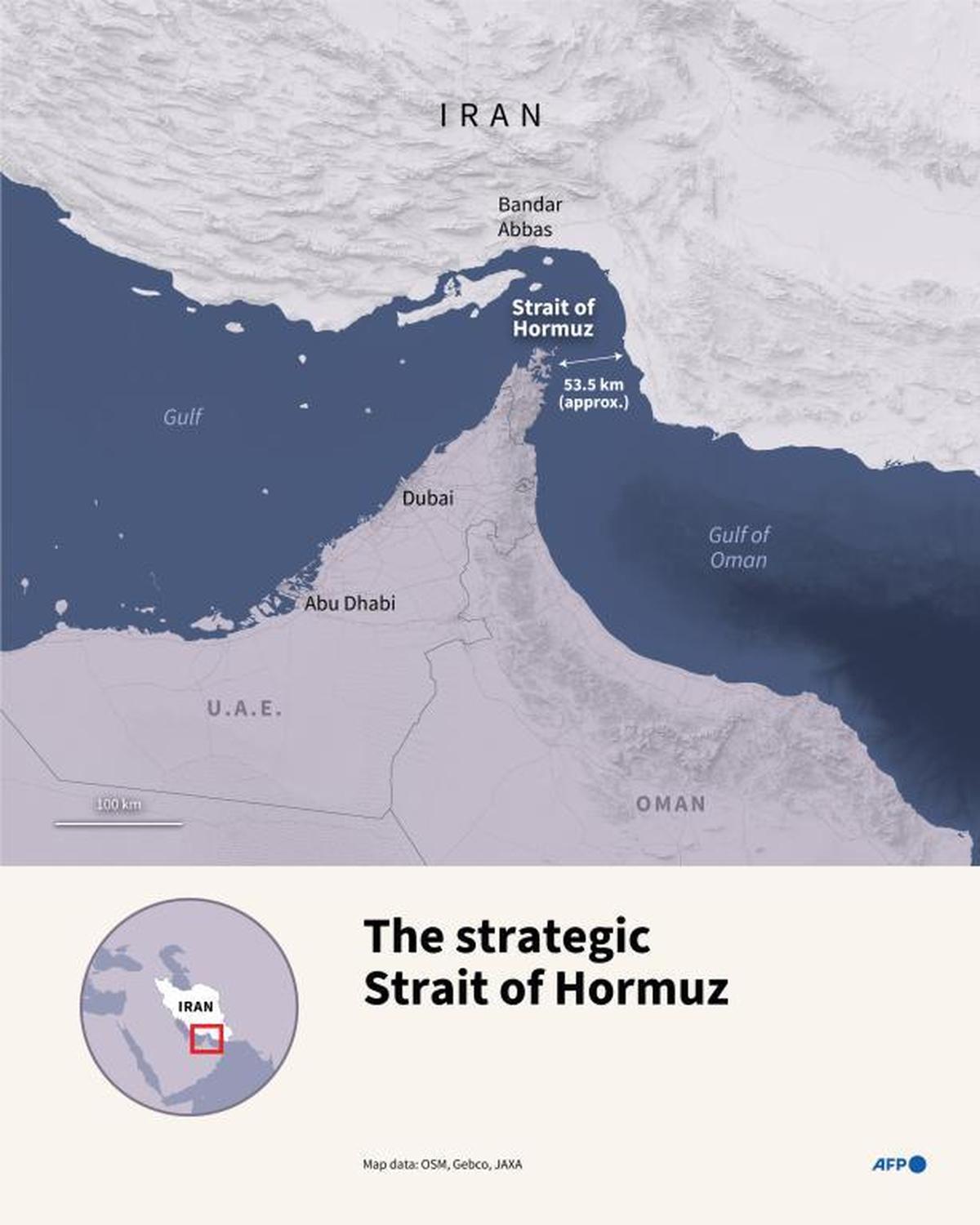
One potential breakthrough could involve the establishment of a joint monitoring mechanism to oversee shipping in the Strait of Hormuz, a proposal that has been floated in previous discussions. Such an arrangement would require the participation of multiple stakeholders, including the US, Iran, and regional allies, making its implementation far from guaranteed. However, Norwegian diplomats have described it as a “realistic starting point” for rebuilding trust.
For now, the talks remain in a delicate balance. While the atmosphere in Tehran appears more constructive than in recent months, the road to a lasting resolution is fraught with obstacles. The coming weeks will be critical in determining whether Norway’s diplomatic efforts can translate into tangible results—or whether the region will remain on the brink of a broader conflict.
Key Takeaways
- Norway’s Role: Oslo is serving as a neutral mediator in Iran-US talks, leveraging its diplomatic experience to bridge divides over the Strait of Hormuz.
- Iran’s Stance: Tehran has responded to US peace proposals but insists on addressing broader regional security concerns, including US military actions.
- Strait of Hormuz: The waterway remains a critical flashpoint, with disruptions posing severe risks to global oil markets and energy security.
- Regional Players: Saudi Arabia and Israel’s positions will be pivotal in determining the talks’ success, though their public stances remain cautious.
- Next Steps: Follow-up negotiations are expected within two weeks, with potential focus on joint monitoring mechanisms for shipping security.
- Economic Risks: The International Energy Agency warns that even partial disruptions in the strait could trigger a 30%+ spike in oil prices.
As the situation evolves, World Today Journal will continue to monitor developments and provide updates on the diplomatic efforts to stabilize the Strait of Hormuz. For official statements and advisories, readers are encouraged to consult the websites of the Norwegian Ministry of Foreign Affairs and the US Department of State. We welcome your insights and questions—share your thoughts in the comments below or reach out to our team for further analysis.