
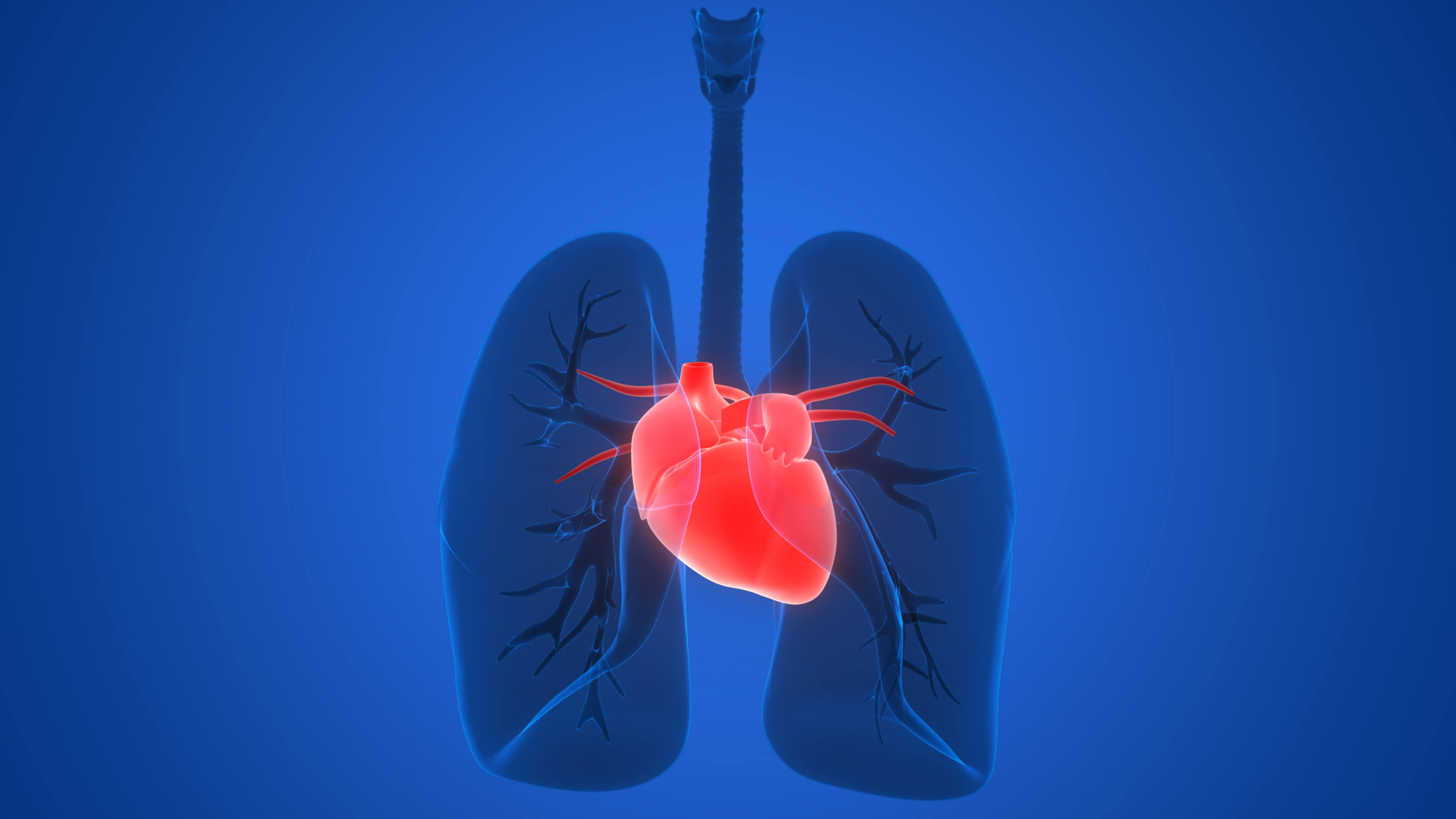
For many patients, the first sign of a failing health system is a simple, terrifying sensation: the feeling of not being able to get enough air. This shortness of breath, known medically as dyspnea, is often the primary symptom that drives a person to a doctor’s office. However, the complexity arises when the cause of that breathlessness is not a single organ, but a dangerous intersection between the lungs and the heart.
The relationship between chronic obstructive pulmonary disease (COPD) and heart disease is often described by clinicians as a “deadly affair.” These two conditions do not merely coexist. they actively exacerbate one another, creating a feedback loop that can accelerate physical decline and increase the risk of hospitalization. When a patient suffers from both, the clinical picture becomes clouded, often leading to a diagnostic delay where one condition masks the other.
As a physician and health journalist, I have seen how this overlap complicates patient care. The challenge lies in the fact that the heart and lungs are the twin engines of the human respiratory system. When one fails, the other must compensate. Over time, this compensation leads to structural changes in both organs, making the management of COPD and heart disease a high-stakes balancing act for healthcare providers worldwide.
Understanding this connection is critical because patients with these comorbidities face significantly higher mortality rates and more frequent acute exacerbations than those with either condition alone. Recognizing the red flags and pushing for an interdisciplinary approach to treatment can be the difference between a managed chronic illness and a sudden, life-threatening crisis.
The Dangerous Intersection of COPD and Cardiovascular Disease
COPD is a progressive inflammatory lung disease that obstructs airflow from the lungs. At the same time, cardiovascular diseases—ranging from coronary artery disease to heart failure—impair the heart’s ability to pump oxygenated blood to the rest of the body. When these two occur together, the body enters a state of chronic oxygen deprivation and systemic inflammation.
The prevalence of this overlap is strikingly high. Research indicates that a substantial portion of patients with heart failure also suffer from COPD, and conversely, a significant percentage of those with COPD have underlying cardiac issues. This co-occurrence is not accidental; This proves driven by a set of shared risk factors that attack both systems simultaneously.
The most prominent shared risk factor is tobacco use. Smoking causes direct damage to the alveoli in the lungs while simultaneously promoting atherosclerosis—the buildup of fats and cholesterol in the artery walls—which leads to heart attacks and strokes. Other contributing factors include advanced age, obesity, and systemic metabolic conditions such as diabetes and hypertension. These factors create a “multimorbid” state where the patient is not just fighting two separate diseases, but a systemic failure of the cardiopulmonary axis.
When heart failure is present, the heart cannot efficiently pump blood forward, causing fluid to back up into the lungs (pulmonary edema). For a patient already struggling with COPD-damaged airways, this additional fluid further restricts oxygen exchange, leading to a rapid decline in respiratory function. This synergy often results in more frequent “exacerbations”—sudden worsenings of symptoms that require urgent medical intervention.
The Diagnostic Mask: When Shortness of Breath Misleads
One of the most perilous aspects of the COPD-heart disease connection is the similarity of their symptoms. Both conditions manifest as dyspnea, fatigue, and a reduced capacity for physical exertion. Because these symptoms are so similar, there is a frequent clinical tendency to attribute the patient’s distress to the most obvious or previously diagnosed condition.
For example, a patient with a known history of COPD may experience worsening shortness of breath and assume it is a typical “flare-up” of their lung disease. However, the actual cause could be the onset of heart failure or an unstable cardiac arrhythmia. If the physician focuses solely on the lungs—perhaps by prescribing more bronchodilators or steroids—the underlying heart issue remains untreated, potentially leading to a catastrophic cardiac event.
Conversely, a patient presenting with heart failure may be misdiagnosed with COPD if their history of smoking is prominent, leading to a delay in critical cardiac interventions. This diagnostic overshadowing is a primary reason why an interdisciplinary approach—where cardiologists and pulmonologists work in tandem—is essential for patient safety.
To break this cycle, medical guidelines increasingly emphasize the importance of comprehensive screening. Patients diagnosed with COPD should be screened for cardiac dysfunction through tools such as echocardiograms or B-type natriuretic peptide (BNP) tests, which can help distinguish between cardiac and pulmonary causes of breathlessness. According to the Global Initiative for Chronic Obstructive Lung Disease (GOLD), integrated management of comorbidities is essential to improving the quality of life and survival rates for these patients.
Impact on Hospitalization and Mortality
The presence of cardiac comorbidities in COPD patients is a powerful predictor of poor clinical outcomes. Patients dealing with both conditions are not simply “twice as sick”; they are often exponentially more vulnerable. The interaction between the two leads to a higher rate of hospital admissions and a steeper decline in functional independence.
Heart failure, in particular, significantly increases the risk of COPD exacerbations. When the heart fails to maintain adequate circulation, the lungs are subjected to increased pressure and fluid, triggering inflammatory responses that narrow the airways further. This often leads to a cycle of “revolving door” hospitalizations, where a patient is treated for a lung crisis, discharged, and then readmitted shortly after due to an underlying cardiac trigger.
Mortality rates are also notably higher in this population. The strain on the right side of the heart—a condition known as cor pulmonale—is a common consequence of advanced COPD. In cor pulmonale, the heart must work harder to pump blood through the damaged, high-pressure vessels of the lungs, eventually leading to right-sided heart failure. This progression marks a critical turning point in the disease trajectory, often signifying a transition to end-stage cardiopulmonary failure.
Beyond the physical toll, the economic burden on the healthcare system is substantial. The need for complex medication regimens, frequent specialist visits, and prolonged hospital stays makes the management of cardiopulmonary multimorbidity one of the most expensive challenges in chronic disease care. This underscores the need for preventative strategies and early intervention to stop the progression of both diseases before they reach a critical state.
Improving Outcomes Through Integrated Care
The traditional model of medicine, where a patient sees a pulmonologist for their lungs and a cardiologist for their heart in separate silos, is insufficient for those with COPD and heart disease. The future of treatment lies in integrated, cardiopulmonary care models that treat the heart and lungs as a single, interconnected system.
Effective management requires a coordinated strategy that addresses the shared risk factors first. Smoking cessation remains the single most effective intervention to slow the progression of both diseases. When combined with aggressive management of blood pressure and cholesterol, the risk of acute events can be significantly reduced.
Pulmonary rehabilitation—a program of exercise, nutrition, and education—has shown remarkable benefits for these patients. By improving muscle efficiency and cardiovascular endurance, rehabilitation helps the body utilize oxygen more effectively, reducing the strain on both the heart and the lungs. This not only improves the patient’s ability to perform daily activities but also reduces the frequency of hospitalizations.
Pharmacological treatment also requires careful coordination. Some medications used to treat heart failure, such as beta-blockers, were once feared to be dangerous for COPD patients because they could potentially cause airway constriction. However, modern medical evidence suggests that cardioselective beta-blockers are generally safe and can actually improve survival in COPD patients with heart disease by reducing the heart’s workload and preventing arrhythmias.
For patients and caregivers, the most important step is vigilance. Any sudden change in the pattern of shortness of breath, new swelling in the ankles (edema), or an inability to lie flat in bed without gasping for air should be reported to a healthcare provider immediately. These are often the first signs that the balance between the heart and lungs has shifted.
The next critical step in managing these conditions will be the wider adoption of remote monitoring technologies. Wearable devices that can track oxygen saturation and heart rate in real-time may soon allow doctors to detect the earliest signs of a cardiac or pulmonary decline before it leads to an emergency room visit.
If you or a loved one are managing a chronic respiratory or cardiac condition, I encourage you to ask your physician about a coordinated care plan. Sharing your concerns and ensuring your specialists are communicating can save lives.
Do you have experience navigating the complexities of chronic lung or heart disease? Share your thoughts or questions in the comments below to help others in our community.