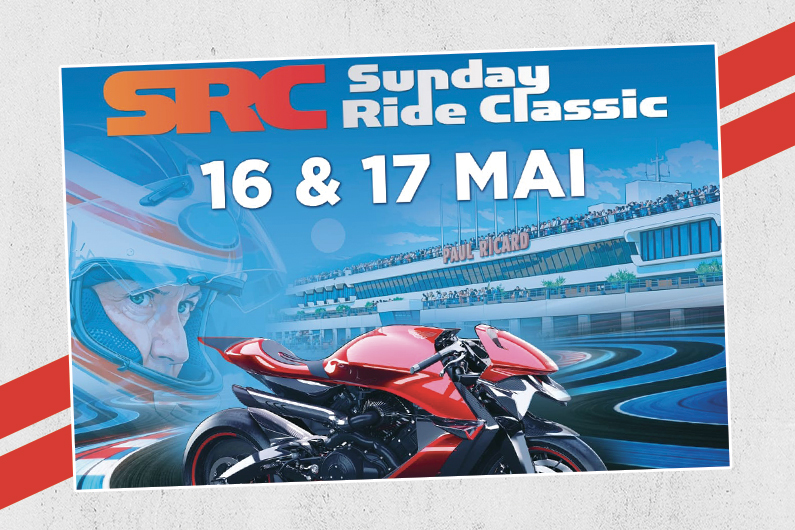
The roar of high-performance engines is set to return to the hills of Le Castellet as the Sunday Ride Classic prepares to welcome an estimated 20,000 motorcycle enthusiasts to the Circuit Paul Ricard this weekend. In a move that signals a shift toward fan-centric motorsport, the event is being framed under the mantra “the spectator is king,” emphasizing accessibility, immersive experiences, and a celebration of two-wheeled culture.
As a journalist who has spent more than 13 years covering the technical precision of European racing—from the tight corners of Lisbon’s sporting circuits to the grand stages of the Olympics—I have seen motorsport evolve from a distant spectacle into an interactive experience. The Sunday Ride Classic represents this evolution perfectly, transforming one of the world’s most advanced racing facilities into a communal playground for bikers of all levels.
The event is not merely a track day; it is a curated gathering designed to bridge the gap between professional racing environments and the passion of the amateur rider. By opening the gates to thousands of enthusiasts, the organizers are leveraging the unique geography of the Var department to create a destination event that blends sport, tourism, and mechanical artistry.
The “Spectator is King” Philosophy at Circuit Paul Ricard
For too long, the barrier between the paddock and the grandstands has been an impenetrable wall. However, the current strategy at Circuit Paul Ricard is focused on dismantling those barriers. The “spectator is king” approach manifests in enhanced VIP access, strategically placed viewing zones, and a layout that allows fans to feel the vibration of the bikes as they scream past at high speeds.
This shift is critical for the sustainability of motorsport. By prioritizing the fan experience, the circuit is not only attracting die-hard petrolheads but also families and casual tourists who are drawn to the prestige of the French Riviera. The Sunday Ride Classic serves as a gateway, introducing a broader demographic to the thrill of the track in a controlled, safe, and celebratory environment.
The logistical scale of hosting 20,000 people requires precision. From traffic management in the narrow roads of Le Castellet to the deployment of safety marshals, the event is a masterclass in sports management. The goal is to ensure that the transition from the public road to the race track is seamless, maintaining the high safety standards for which the facility is globally recognized.
A Technical Marvel in the Heart of Provence
To understand the draw of the Sunday Ride Classic, one must understand the venue. The Circuit Paul Ricard is not your typical race track. Known for its distinctive blue and red high-friction runoff areas, the circuit was designed to maximize safety without sacrificing the challenge for the driver or rider. These “Blue Lines” are a signature of the track, designed to discourage drivers from cutting corners while providing a safer deceleration zone than traditional gravel traps.
For the motorcycle enthusiasts attending this weekend, the track offers a diverse series of challenges. The combination of long straights and technical chicanes allows riders to test the top speed of their machines while exercising precision in the corners. This duality is what makes the Sunday Ride Classic a bucket-list event for riders across Europe, particularly those from neighboring Spain and Italy who frequently cross borders to ride at Le Castellet.
Beyond the asphalt, the circuit serves as a hub for sports analytics and testing. Because of its modular design—where the track can be split into several smaller configurations—it is often used by manufacturers for R&D. This professional pedigree adds a layer of prestige to the Sunday Ride Classic, giving amateur riders the chance to navigate the same curves as Formula 1 legends and MotoGP stars.
Integrating Road Safety and Heritage
While the Sunday Ride Classic celebrates speed, the organizers and local authorities are using the platform to address a sobering reality: road safety. In the Var region, the intersection of high-performance vehicles and winding public roads often leads to increased risks. The event is being integrated with road safety prevention initiatives, mirroring the efforts seen during the Grand Prix de France Historique.
By promoting the “track day” concept, the event encourages riders to move their high-speed testing from public highways to a controlled environment. This “closed-circuit” philosophy is a key pillar of European road safety strategies, aiming to reduce fatalities among motorcyclists by providing a legal and safe outlet for speed.
The inclusion of heritage and classic bikes also plays a significant role. The Sunday Ride Classic is as much about the history of motorcycling as it is about modern performance. Seeing vintage machines from the mid-20th century alongside contemporary superbikes creates a living timeline of engineering, reminding spectators of how far safety and performance have progressed over the decades.
What This Means for the Future of European Motorsport
The success of events like the Sunday Ride Classic suggests a broader trend in the industry: the democratization of the race track. We are moving away from the era where circuits were exclusive clubs for the elite and toward a model of “sports tourism.” This approach benefits the local economy of the Provence-Alpes-Côte d’Azur region, filling hotels and restaurants with international visitors.
Looking further ahead, the circuit is already planning for 2026, with ambitions to expand its VIP offerings and integrate more digital interactions for fans. The focus remains on creating a “lifestyle” destination where the race is just one part of the attraction, complemented by luxury hospitality, automotive exhibitions, and educational workshops on mechanical engineering.
For the global audience, the Sunday Ride Classic is a reminder that the passion for motorcycles transcends borders. Whether a rider is from Lisbon, London, or Tokyo, the allure of a perfectly executed apex at Paul Ricard is universal. It is this shared passion that transforms a simple track day into a cultural festival.
Key Takeaways for Attendees
- Fan-First Approach: Expect enhanced viewing areas and a focus on spectator accessibility.
- Safety First: The event emphasizes the importance of track-based riding over public road speeding.
- Diverse Machinery: A blend of modern superbikes and classic vintage motorcycles.
- Regional Impact: A significant boost to tourism and hospitality in the Le Castellet and Var areas.
As we look toward the horizon, the next major milestone for the region will be the continued rollout of the 2026 event calendar, which promises to further integrate high-tech fan experiences with the raw power of internal combustion. The Circuit Paul Ricard continues to prove that when the spectator is treated as royalty, the sport thrives.
Do you think the “spectator-first” model is the future of motorsport, or should the focus remain strictly on the competition? Let us know your thoughts in the comments below and share this story with your fellow riding enthusiasts.
Worth a look