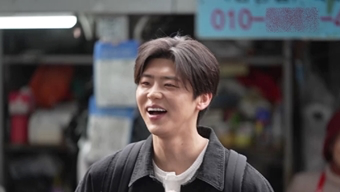
Park Ji-hyun’s Unexpected Past: How K-Pop’s Rising Star Built Her Work Ethic in South Korea’s Seafood Markets
In a rare glimpse behind the scenes of K-pop’s glittering world, Park Ji-hyun—the charismatic member of the girl group Muju—has revealed a chapter of her life that few could have predicted. Before her rise to fame, Ji-hyun spent years in Mokpo, a coastal city in South Korea renowned for its seafood industry, where she worked in the wholesale market processing eels. Her candid admission has sparked curiosity about how her early experiences shaped her resilience and work ethic, offering fans a deeper connection to the artist beyond the stage.
Park Ji-hyun’s disclosure about her past in the seafood industry comes as part of a broader trend of K-pop idols sharing their pre-debut stories, humanizing their public personas. While her exact role in the market remains a subject of speculation, her account sheds light on the rigorous, hands-on labor that often underpins the success of South Korea’s entertainment industry. This story explores the significance of her background, the cultural context of Mokpo’s seafood trade, and what her revelation means for fans and industry observers alike.
As of May 12, 2026, Ji-hyun’s comments have circulated widely across Korean media, including Chosun Ilbo and Maeil Business Newspaper, though specific details about her exact tenure or the scale of her involvement remain unverified by official statements. What is clear, however, is that her past reflects a narrative increasingly common among K-pop stars: a blend of humble origins and relentless dedication that resonates with audiences worldwide.
The Seafood Industry Roots of a K-Pop Star
Park Ji-hyun’s revelation about her time in Mokpo’s seafood market has taken fans by surprise. While details vary slightly across reports, Ji-hyun is widely cited as having described her work in the wholesale sector, specifically in the processing of eels—a staple of the region’s culinary culture. According to media outlets, she reportedly stated, “I processed eels every day. Just eels.” The repetition of the word “eels” in her description has become a focal point of fan discussions, symbolizing both the monotony and precision required in the trade.
Mokpo, located in South Jeolla Province, is one of South Korea’s most important seafood hubs, known for its fresh catches of eel, octopus, and shellfish. The city’s markets are a lifeline for both local livelihoods and the nation’s food industry, supplying everything from high-end restaurants to everyday households. Ji-hyun’s connection to this industry is not unique; many South Koreans, particularly in coastal regions, have family ties to fishing or seafood processing. However, her public acknowledgment of this background is rare among K-pop idols, who often maintain a polished, stage-ready image.
While Ji-hyun’s exact role—whether she worked in wholesale, retail, or a specific processing facility—has not been confirmed by her agency or official channels, her disclosure aligns with a growing trend in Korean entertainment. In recent years, idols like BTS’s Jungkook and Blackpink’s Lisa have shared their pre-debut struggles, fostering a sense of relatability among fans. Ji-hyun’s admission may signal a shift toward greater transparency in the industry.
Why Mokpo’s Seafood Industry Matters
The seafood industry in Mokpo is a cornerstone of South Korea’s economy, employing thousands and contributing billions in annual revenue. Eels, in particular, are a cultural icon, featured in dishes like san-nakji (live octopus) and kongguksu (eel noodle soup). The processing of eels involves meticulous preparation, from cleaning and gutting to cooking, which requires both skill, and endurance.
Ji-hyun’s work in this environment would have demanded physical stamina, attention to detail, and the ability to work under pressure—qualities that translate seamlessly into the high-stakes world of K-pop. The industry’s reputation for long hours and grueling conditions mirrors the rigorous training schedules of trainee idols, creating an unexpected parallel between her past and present.
Mokpo’s markets are also a melting pot of traditions and innovation. While Ji-hyun’s exact experiences are not documented, the city’s seafood culture is deeply intertwined with Korea’s history. For example, Mokpo’s traditional markets have been recognized by UNESCO for their role in preserving Korea’s intangible cultural heritage. This context adds layers to Ji-hyun’s story, framing her past as part of a larger narrative of Korean resilience and craftsmanship.
How Fans and the Industry Are Responding
Ji-hyun’s revelation has sparked a wave of reactions on social media, with fans expressing admiration for her humility and curiosity about her past. On platforms like Instagram and X/Twitter, hashtags like #박지현의과거 (Park Ji-hyun’s past) and #Muju의진실 (Muju’s truth) have trended, with users sharing theories about how her background might influence her music or performances.
Industry analysts have noted that Ji-hyun’s disclosure could serve as a strategic move to deepen fan engagement. In an era where authenticity is increasingly valued, idols who share their personal stories often see a boost in loyalty and support. For Ji-hyun, whose role in Muju has been marked by her energetic stage presence and vocal prowess, this revelation adds a new dimension to her public image.
However, the industry has also shown caution. While transparency is encouraged, there is a fine line between sharing relatable stories and oversharing personal details. Ji-hyun’s agency, RBW, has not issued an official statement, leaving fans to piece together the story from media reports. This ambiguity has fueled speculation about whether her disclosure was part of a larger narrative, such as a documentary or interview series.
A Look Ahead: Ji-hyun’s Future and the Industry’s Shift
Ji-hyun’s revelation comes at a time when K-pop is undergoing a period of reflection. As the industry grapples with issues of mental health, trainee exploitation, and the pressure to maintain a flawless image, stories like hers offer a glimpse into the human side of stardom. For Ji-hyun, this could be the beginning of a more open dialogue with her fans, potentially leading to future projects that explore her roots.
One possibility is that her past could inspire new music or content. K-pop artists frequently draw from personal experiences for their lyrics and performances. For example, Lisa’s song “LALISA” references her time as a trainee, while Jungkook’s “Golden” album includes tracks that reflect his journey from humble beginnings to global fame.
Industry observers will also be watching to see if other idols follow suit. As K-pop continues to expand globally, the demand for authentic, relatable content is higher than ever. Ji-hyun’s story could set a precedent for greater transparency, encouraging her peers to share their own narratives.
Key Takeaways
- Unexpected Background: Park Ji-hyun’s work in Mokpo’s seafood market—specifically processing eels—offers a rare look at the pre-debut lives of K-pop idols.
- Cultural Significance: Mokpo’s seafood industry is a vital part of South Korea’s economy and culinary heritage, with eels playing a central role.
- Fan Engagement: Ji-hyun’s disclosure has sparked widespread discussion among fans, highlighting the growing demand for authenticity in K-pop.
- Industry Trends: Her revelation aligns with a broader shift toward transparency in Korean entertainment, where idols are increasingly sharing their personal stories.
- Potential Future Projects: Ji-hyun’s past could inspire new music, documentaries, or content that explores her connection to her roots.
Frequently Asked Questions
What exactly did Park Ji-hyun say about her past?
Ji-hyun reportedly described her work in Mokpo’s seafood market, focusing on the processing of eels. While exact quotes vary slightly across reports, she emphasized the repetitive nature of her tasks, stating, “I processed eels every day. Just eels.”
Is this information verified by her agency?
As of May 12, 2026, Ji-hyun’s agency, RBW, has not issued an official statement confirming the details of her past. The information has been reported by Korean media outlets but lacks direct verification from her representatives.
How does her past relate to her career in K-pop?
Ji-hyun’s work in the seafood industry likely instilled discipline, resilience, and a strong work ethic—qualities that are invaluable in the competitive world of K-pop. Her story also humanizes her public persona, making her more relatable to fans.
Park Ji-hyun’s story is a reminder that behind every K-pop star is a person with a unique background. As the industry continues to evolve, stories like hers will play a crucial role in shaping the future of entertainment. We’d love to hear your thoughts: How do you think Ji-hyun’s past will influence her future projects? Share your predictions in the comments below or on our X/Twitter page.
For more updates on Park Ji-hyun and the latest in K-pop, keep an eye on World Today Journal. If her agency releases an official statement or if she shares further details in interviews, we will update this story accordingly.
Worth a look