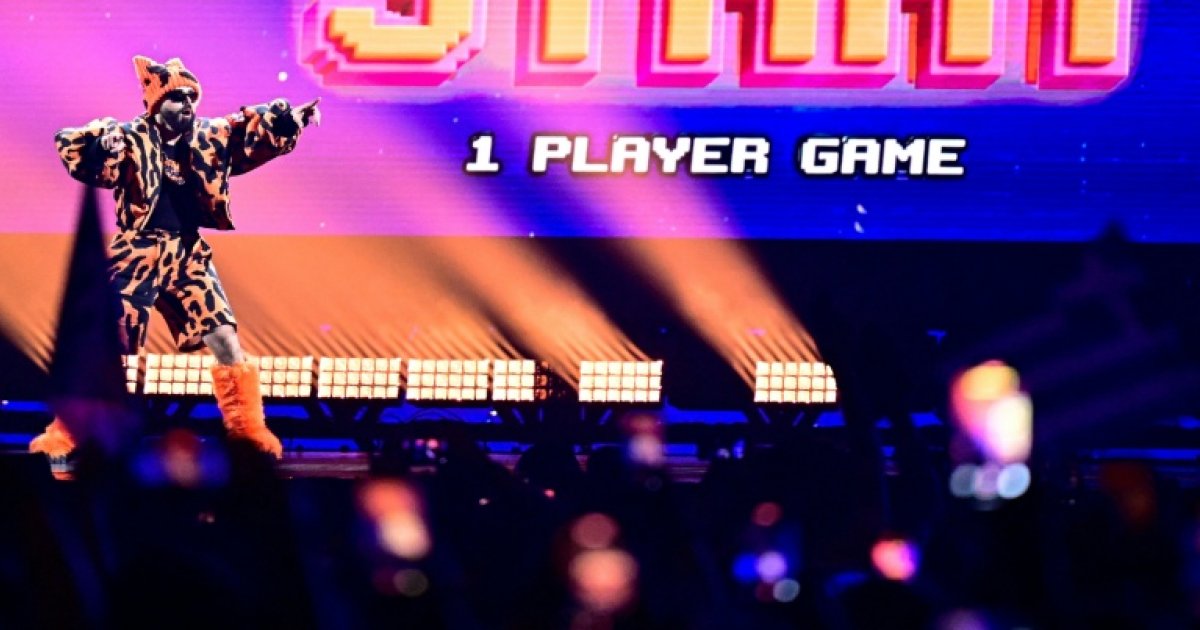
Eurovision 2026: Finland, Greece, and Israel Advance Despite Boycotts and Protests as Vienna Hosts a Divided Contest
The Eurovision Song Contest’s 70th anniversary in Vienna has become a battleground for Europe’s political divisions, as Finland, Greece, and Israel secured their spots in Saturday’s Grand Final amid a backdrop of boycotts, protests, and charged debates over Israel’s participation. The first semifinal on Tuesday night saw Israel’s Noam Bettan qualify despite anti-Israel chants in the Wiener Stadthalle, while Greece and Finland—both staunch supporters of Ukraine—advanced alongside 10 other acts, including Austria’s Daniel Zizka and Croatia’s Andromeda.
Yet the road to the final is far from smooth. Five regular competitors—Spain, Ireland, the Netherlands, Slovenia, and Iceland—have withdrawn in protest over Israel’s presence, leaving a field of 35 countries fractured by the Gaza war’s fallout. The contest, once a celebration of unity, now mirrors the continent’s deepening rifts over human rights, military action, and cultural diplomacy.
Key Takeaways:
- Political Boycotts: Five countries (Spain, Ireland, Netherlands, Slovenia, Iceland) are absent due to Israel’s participation, the largest withdrawal since the contest’s inception.
- Protest Impact: Anti-Israel chants disrupted Israel’s Noam Bettan’s performance, but security removed two protesters from the arena.
- Ceasefire Context: A fragile ceasefire in Gaza has been in effect since October 10, 2025, but the conflict’s humanitarian toll remains a flashpoint.
- Fan Divide: Eurovision’s global fanbase is split, with some calling for inclusivity and others demanding solidarity with Palestinian causes.
- Next Steps: The Grand Final airs live on Saturday, May 17, with voting opening to the public at 8:00 PM CET.
The Eurovision Song Contest has always been more than music—it’s a cultural thermometer for Europe. This year, the thermometer is broken. As Finland’s Käärijä, Greece’s Marianthi Zorba, and Israel’s Noam Bettan took the stage in Vienna’s Wiener Stadthalle on Tuesday, they did so under the shadow of a controversy that threatens to overshadow the show’s 70th anniversary. The absence of five nations—all citing Israel’s military offensive in Gaza as their reason for boycotting—has left organizers scrambling to maintain the contest’s spirit of unity. But unity, it seems, is no longer guaranteed.
For Bettan, the night was a test of resilience. His performance of *“Michelle”* in French, Hebrew, and English was met with chants of *“Stop the genocide”* from sections of the crowd. Austrian public broadcaster ORF confirmed it would not use anti-booing technology, a decision that sparked debate over free speech versus disruption. Security personnel physically removed two protesters mid-performance, but the damage was done: the moment underscored how deeply the conflict in Gaza has seeped into European cultural spaces.
Boycotts Reshape the Field: Who’s Missing and Why
The boycott movement gained momentum after Israel’s October 2023 military offensive in Gaza, which followed Hamas’s deadly attack on southern Israel on October 7, 2023. Israeli authorities reported approximately 1,200 fatalities and 251 hostages taken during the initial assault. In response, Israel’s military operation in Gaza has resulted in 72,628 Palestinian deaths, according to the Hamas-led Gaza Health Ministry—a figure disputed by Israel but cited by international human rights organizations.
A ceasefire brokered in October 2025 has eased hostilities, but the boycott of Spain, Ireland, the Netherlands, Slovenia, and Iceland reflects lingering outrage over the humanitarian crisis. “This is not about music,” said a spokesperson for Ireland’s broadcaster RTÉ in a statement last month. “It’s about standing for what we believe in.” The move marks the first time Eurovision has faced such a coordinated withdrawal, raising questions about the contest’s future in an era of geopolitical tension.
- Spain – Withdrew in solidarity with Palestinian causes.
- Ireland – Cited “moral obligations” to protest Israel’s actions.
- Netherlands – Joined boycott after public pressure.
- Slovenia – Pulled out over “human rights concerns.”
- Iceland – First time in Eurovision history to boycott.
Source: BBC, Eurovision official statements
Protests and Security: How Vienna Handled the Fallout
Vienna’s response to the protests has been a mix of firm security measures and cautious diplomacy. ORF, Austria’s public broadcaster, refused to implement anti-booing technology, citing freedom of expression. However, two individuals were ejected from the Wiener Stadthalle after disrupting the broadcast. Bettan, who had prepared for such reactions, shared his experience in a post-performance video message:

*“I heard the boos, but quickly afterward, I heard calls from people on our side who were making noise and lifting me up. And it immediately lifted my spirits and warmed my heart. It filled me up, it gave me strength.”*
Bettan’s remarks echo those of Yuval Raphael, Israel’s 2025 contestant, who faced similar protests in Malmö and Basel. Raphael, a survivor of the October 7 attacks, told the BBC she had *“practiced being booed”* during rehearsals. Her song *“New Day Will Rise”* unexpectedly topped the public vote last year, though jury scores relegated her to second place—a reflection of the contest’s dual voting system.
This year, the protests have escalated. Austrian officials have emphasized neutrality, but the presence of armed guards for Israeli delegations in Malmö and Basel has become a contentious issue. “We want Eurovision to be a place of celebration, not conflict,” said a statement from the Austrian Ministry of Culture. Yet with five nations absent and others like Greece and Finland openly supportive of Ukraine’s stance, the contest’s neutrality is increasingly questioned.
Who’s Still Competing? The 10 Acts Advancing to the Grand Final
Despite the boycotts, 30 countries remain in the competition, with 10 securing their spots in the Grand Final on May 17. The qualifiers include:
- Finland – Käärijä with *“Cha Cha Cha”
- Greece – Marianthi Zorba with *“Zorba”
- Israel – Noam Bettan with *“Michelle”
- Austria – Daniel Zizka with *“CROSSROADS”
- Croatia – Andromeda with *“Dancing on the Ice”
- Belgium – ESSYLA with *“Just Go”
- Azerbaijan – COSMÓ with *“Tanzschein”
- Malta – Winner JJ with *“Wasted Love”
- Poland – Artist name withheld per Eurovision rules
- Lithuania – Artist name withheld per Eurovision rules
The Grand Final will air live on Saturday at 8:00 PM CET, with voting opening immediately afterward. Fans can participate via the official Eurovision app, which includes features like “My Scoreboard” and “Eurodex” for tracking performances.
What Happens Next? The Grand Final and Beyond
The Grand Final promises to be a high-stakes event, with political undertones likely to persist. Greece’s Marianthi Zorba, a vocal supporter of Ukraine, may face similar protests, while Finland’s Käärijä—known for his political lyrics—could draw attention for his stance on human rights. Israel’s Bettan, meanwhile, will carry the weight of representing a nation under global scrutiny.
Organizers have yet to comment on whether additional security measures will be implemented, but the presence of armed guards in previous years suggests heightened precautions. The contest’s executive supervisor, Martin Österdahl, has called for *“respect and unity,”* but the road to that unity remains fraught.
Next Checkpoint: The Grand Final airs live on Eurovision’s official website and major broadcasters on May 17, 2026, at 8:00 PM CET. Voting opens immediately after the performances.
As Europe watches, the question lingers: Can Eurovision survive as a unifying force, or has it become another battleground in the war over Gaza? One thing is certain—the world will be listening.